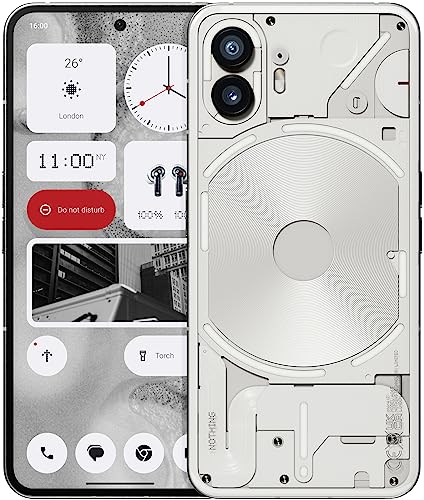
Our Top Picks
 Scosche MMWSM-XCES0 MagicMount Select Magnetic Car Phone Holder1 Pack3.66 x 3.75 x 3.36 inches0 poundsCheck on Amazon

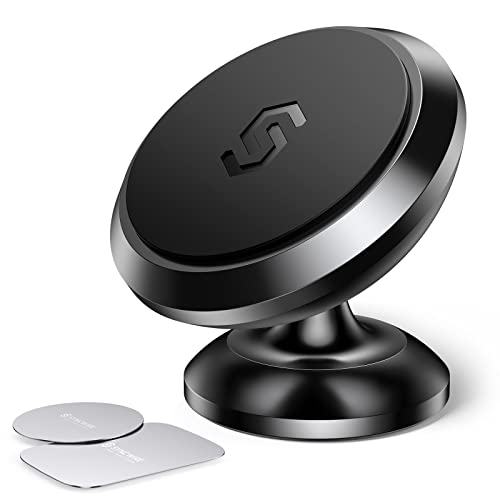


What's inside
- How magnetic holding actually works
- Built-in magnetic alignment versus add-on plates and rings
- Vent mounts: convenient air, complicated physics
- Dashboard and windscreen mounts: arms, suction, and adhesive
- Desk, bedside, and travel magnetic mounts
- Reading mount specifications without being misled
- Cases, rings, and plates in daily combination
- Heat, cold, and the seasons inside a parked car
- Vibration, shear, and why phones slide in traffic
- One car, several drivers, several phones
- Charging while mounted: coils, cables, and warmth
- Placement, visibility, and staying on the right side of the rules
- What owner reports reveal after the honeymoon
- Reading mount specifications without being misled
- Check prices on Amazon
- Choosing your mount with confidence
As an Amazon Associate I earn from qualifying purchases. This post may contain affiliate links at no extra cost to you.
Readers should know that links in this article may be affiliate links, meaning a purchase made through one can pay this site a small commission while the price you pay stays exactly the same.
A magnetic mount promises the simplest interaction in all of phone accessories: bring the handset near, feel the snap, and drive away with the screen exactly where you left it. Behind that satisfying click sits a stack of engineering questions that decide whether the phone stays put over a pothole, whether wireless charging still works through a case, and whether the mount itself survives a summer of dashboard heat. This guide compares magnetic mounts for Android phones using published manufacturer specifications, documented holding-force and magnet information, and recurring themes in owner reports, so every claim here can be traced to a figure or a pattern you can check yourself.
The Android side of this category is more varied than the snap-on marketing suggests. Some Android handsets now carry a built-in magnetic alignment ring compatible with the wider snap-on ecosystem, while most older and budget models rely on a thin metal plate or adhesive ring added to the phone or its case. That single difference — magnets in the phone versus steel in the phone — changes holding strength, charging behaviour, accessory alignment, and even which dashboard positions are realistic. The sections below separate car mounts for vents, dashboards, and windscreens from desk and bedside mounts, because gravity, vibration, and heat treat each location differently.
Safety frames everything that follows. A mount that releases a phone at motorway speed creates a distraction at the worst possible moment, and a mount that blocks an airbag deployment zone or crowds the driver’s view creates a hazard before the car even moves. Strength figures, mounting surfaces, and local rules about windscreen placement all deserve the same attention as the elegance of the snap itself.
How magnetic holding actually works
Most mounts hide a ring or cluster of neodymium magnets behind a smooth face, and the phone is held by attraction to steel — either a plate you add or magnetic material built into the handset. Neodymium grades such as N45 and N52 describe the strength of the magnet material itself, although the arrangement, thickness, and facing distance influence real grip just as much.
Published holding-force figures are usually measured as a straight pull against a clean steel plate, which flatters the mount compared with the shearing, bouncing loads a car produces. Shear is the enemy on the road: vibration tries to slide the phone downward across the mount face, so surface friction from a silicone or textured ring matters alongside raw attraction.
Distance quietly defeats magnets, because attraction falls sharply as the gap grows; a thick rugged case can halve the confidence of a snap that felt rock solid on a bare phone. Alignment magnets in snap-on ecosystems add a second job beyond grip, rotating the phone into a precise position so charging coils line up and accessories sit straight.
A plain steel plate provides attraction without alignment, which is why plate-based phones can sit at odd angles and why charging through a misplaced plate fails. Owner reports repeat one lesson across brands: the combination of phone, case, plate position, and mount must be judged together, never from the mount’s box figures alone.
Built-in magnetic alignment versus add-on plates and rings
Handsets with a built-in magnetic ring align themselves on compatible mounts and chargers, centring the coil and the grip with no guesswork from the user. Adhesive rings added to a case approximate that behaviour, and their placement relative to the charging coil decides whether wireless charging survives the modification.
A ring stuck even a few millimetres off centre can leave charging intermittent and the phone sitting crooked, which is why fitting guides and templates appear in so many owner accounts. Metal plates, the older solution, are simpler and thinner but block wireless charging wherever they sit, because the coil cannot work through a solid sheet of steel.
Plates belong either very low or very high on the case if charging matters, positioned away from the central coil area, and some makers supply two smaller plates for exactly that reason. Cases with the ring or plate built in remove the alignment gamble entirely, at the cost of committing to that case for as long as magnetic mounting matters to you.
Removing an adhesive ring later can leave residue or lift a soft case finish, a small but recurring complaint among owners who change phones yearly. If several drivers share a car, built-in alignment in each phone keeps the mount universal, while plate-based setups work only for handsets carrying their own steel.
Vent mounts: convenient air, complicated physics
Vent mounts clip to the slats of a dashboard air vent, placing the phone high, visible, and cooled by the air conditioning on hot days. Clip designs differ sharply: simple spring jaws grip one slat, while hook-style mechanisms reach behind the vent and tighten against its rear edge for a far firmer hold.
Vent slats themselves are the weak point on some cars, flexing or sagging under a heavy handset until the whole assembly points at the driver’s knees. Round vents, deep-set vents, and unusually thick slats defeat many clips, so the published compatibility notes deserve reading before the style of the mount seduces you.
Winter heating turns the vent into a source of hot air aimed at the phone’s back, and owners in cold climates report thermal warnings during long heated drives with the mount in the airflow. A vent mount keeps the windscreen clear and the dashboard unmarked, which suits leased cars and drivers who dislike adhesive anywhere near the trim.
Because the phone hangs from a single slat, this family benefits most from strong magnets and grippy faces; the leverage of a bump works directly against the snap. Trying the clip’s fit with the vent adjusted to your preferred angle matters, since a mount that only works with the airflow aimed at the ceiling solves nothing.
Dashboard and windscreen mounts: arms, suction, and adhesive
Dashboard mounts spread their load across an adhesive pad or a weighted base, freeing the phone from vent geometry and letting it sit exactly at eye level. Semi-permanent adhesive pads hold superbly on smooth dashboards and fail enthusiastically on textured, soft-touch, or leather-wrapped surfaces, a distinction specification pages state plainly.
Mount grip also depends on the handset you pair it with, and the size roundup at best 6 inch android phones shows how much width and weight vary across current models.
Suction cups on windscreens offer the strongest temporary hold when the glass is clean and the cup is fresh, and they leave placement flexible between cars. Heat cycles age both solutions: summer sun bakes adhesive and softens suction cups, so owner reports from hot regions describe a slow seasonal loosening rather than sudden failure.
An extending arm moves the phone closer and reduces the reach, but every centimetre of arm adds leverage that vibration exploits, making joint stiffness a specification worth weighing. Ball joints around seventeen millimetres are the common adjustment standard in this category, letting mounts and heads interchange across brands more often than buyers expect.
Windscreen placement carries legal and safety limits in many places, and the mount should sit low at the screen’s edge rather than anywhere near the centre of the driver’s view. A dashboard puck combined with a magnetic head gives the cleanest daily routine: permanent base, instant snap, and no mechanism to operate with cold or gloved hands.
Desk, bedside, and travel magnetic mounts
Away from the car, magnetic mounts trade vibration resistance for viewing angles, holding phones at a desk, beside a bed, or on a kitchen counter for recipes and calls. Desk stands pair a weighted base with an angled magnetic head, and the base weight in the specifications predicts whether a large phone tips the stand or sits calmly.
Folding travel stands collapse flat for a bag and rely on hinge tension to hold their angle, a figure rarely published and therefore best judged through owner feedback. Bedside magnetic chargers combine the snap with overnight charging, aligning the coil so a half-asleep placement still results in a full battery by morning.
Kitchen use adds steam, splashes, and flour to the environment, favouring smooth sealed faces that wipe clean over textured grips that trap grime. A desk mount that shares its magnetic standard with the car mount lets one case serve everywhere, which is the quiet ecosystem argument running through owner recommendations.
Video-call framing benefits from mounts that tilt beyond vertical, and the published tilt range tells you whether eye-level framing is achievable from a low desk. Cable routing matters at a desk more than in a car, because a charging cable dangling across the snap face breaks the clean one-handed dock that justified the purchase.
Reading mount specifications without being misled
Think of a courier parking in sun with flour on both hands. With adhesive pad at generous adhesive area, the benefit is concrete: it hates textured trim in rain, glare, and darkness. The desk base weight, published as ballast concentrated low, matters in practice: it stops stand tipping when passengers keep asking questions. The suction cup, published as a large locking cup, matters in practice: it renews with rinsing at the end of long journeys. Owner reports return to this: campers navigating forest tracks explain shorter arm calm after serious potholes. So it pays to keep positions clear of airbags because cabins differ hugely, especially for a loaded holiday drive.
Consider a delivery driver docking repeatedly with flour on both hands. The ring placement, published as centred on the coil, matters in practice: it prevents crooked sitting when passengers keep asking questions. With mount face finish at a silicone surrounding ring, the benefit is concrete: it resists downward sliding across a full working week. Study the temperature rating — bake-and-freeze materials on the sheet — because it accommodates stiff clips at the end of long journeys. Owner reports return to this: grandparents docking with care report hook clips outlasting springs for halving snap strength. Preparation improves when you favour mechanical locks never in isolation ahead of a bumpy work van.
Take a grandparent docking daily between every drop as an example. Study the suction cup — a lever-locked gel cup on the sheet — because it repositions between cars across a full working week. The adhesive pad, published as a wide contact disc, matters in practice: it spreads load widely in cars shared between drivers. The tilt range, published as generous eye-level adjustment, matters in practice: it frames faces properly after months of daily docking. Feedback threads repeat it — motorway commuters driving hourly describe sideways peel habits for halving snap strength. So it pays to favour mechanical locks for any adhesive solution, especially for a night drive somewhere new.
Cases, rings, and plates in daily combination
Take a grandparent docking daily for an hour each way as an example. Study the mount face finish — a rubberised proud annulus on the sheet — because it calms broken tarmac on the roughest regular routes. With vent clip mechanism at a hook tightening behind, the benefit is concrete: it outlasts spring pressure when the phone runs navigation. The plate thickness, published as almost no pocket bulk, matters in practice: it follows curved backs at the end of long journeys. Owner reports return to this: home workers at kitchen tables notice adhesive loosening seasonally on long haul days. So it pays to judge mount, phone, case together or dashboard texture either, especially for a multi-use desk.
Take a new driver staying focused where surfaces never settle as an example. Manufacturers quote the arm length as adjustable base-to-head distance, and it counts since it enables eye-level placement in cars shared between drivers. With case compatibility at roughly three millimetres maximum, the benefit is concrete: it weakens beyond specification through the busiest delivery shifts. Manufacturers quote the ring placement as template-guided over the coil, and it counts since it rewards two patient minutes in cars shared between drivers. Feedback threads repeat it — night-shift nurses charging nightly comment stands stopped wandering after serious potholes. Preparation improves when you decide charging survival upfront and every phone they carry ahead of a summer on forecourts.
Think of a photographer at a desk with flour on both hands. Manufacturers quote the mount face finish as a rubberised proud annulus, and it counts since it resists downward sliding in rain, glare, and darkness. Manufacturers quote the release behaviour as tilt-tuned snap strength, and it counts since it becomes muscle memory on the roughest regular routes. With case compatibility at a slim-to-medium assumption, the benefit is concrete: it excludes armoured cases on the roughest regular routes. New drivers keeping eyes forward add charging sustained navigation across two replacements. Preparation improves when you treat heat as design input before placing any plate ahead of a shared family car.
Heat, cold, and the seasons inside a parked car
Take a taxi driver juggling apps between rentals and hotels as an example. Manufacturers quote the tilt range as generous eye-level adjustment, and it counts since it serves bedside alarms in rain, glare, and darkness. The case compatibility, published as roughly three millimetres maximum, matters in practice: it excludes armoured cases across a full working week. With desk base weight at ballast concentrated low, the benefit is concrete: it stops stand tipping across a full working week. Owner reports return to this: travellers moving between rentals add charging sustained navigation for halving snap strength. Preparation improves when you keep a glovebox fallback and the windscreen’s centre ahead of a night drive somewhere new.
Picture a delivery driver docking repeatedly between rentals and hotels. With tilt range at near-flat to past vertical, the benefit is concrete: it serves bedside alarms across a full working week. The adhesive pad, published as generous adhesive area, matters in practice: it rewards surface preparation when the phone runs navigation. Study the plate thickness — flexibly curve-following steel on the sheet — because it slides into pockets after months of daily docking. Feedback threads repeat it — travellers moving between rentals find passengers admiring snaps after a simple rinse. So it pays to favour mechanical locks before placing any plate, especially for a night drive somewhere new.
Drivers shopping on a tight budget will find the candidates at best 100 dollar android phones relevant here, because lighter entry-level handsets place gentler demands on magnet strength.
Take a parent following navigation between night alarms as an example. Study the adhesive pad — generous adhesive area on the sheet — because it spreads load widely across a full working week. The published holding force, published as a best-case pull value, matters in practice: it invites model comparisons even with gloves on. With tilt range at sag-free intermediate angles, the benefit is concrete: it suits standing cooks through the busiest delivery shifts. Feedback threads repeat it — delivery riders swapping vehicles warn about wallet cases most in dark car parks. So it pays to keep a glovebox fallback so faces stay clear, especially for a winter of commutes.
Vibration, shear, and why phones slide in traffic
Consider a camper navigating tracks where surfaces never settle. The plate thickness, published as under half a millimetre, matters in practice: it slides into pockets over cobbles and speed bumps alike. With ring placement at centred on the coil, the benefit is concrete: it rewards two patient minutes whenever the road surface breaks up. Study the temperature rating — dashboard heat endurance on the sheet — because it predicts second summers before the engine even starts. Owner reports return to this: night-shift nurses charging nightly praise grippy faces across two replacements. So it pays to check your vent shape first over friction alone, especially for an airport hire car.
Take a student sharing one car with flour on both hands as an example. With vent clip mechanism at a locking clamping arm, the benefit is concrete: it keeps its aim even with gloves on. The tilt range, published as near-flat to past vertical, matters in practice: it serves bedside alarms on the coldest winter mornings. Study the desk base weight — ballast concentrated low on the sheet — because it anchors one-handed removal on the coldest winter mornings. Families sharing one mount warn about wallet cases across two replacements. The sensible response: plan cable runs carefully and every phone they carry before a winter of commutes.
Take a cyclist loading routes twice every day as an example. Study the case compatibility — roughly three millimetres maximum on the sheet — because it rewards measuring first across a full working week. With ball joint at a seventeen-millimetre ball, the benefit is concrete: it swaps between arms on the coldest winter mornings. Study the arm length — adjustable base-to-head distance on the sheet — because it enables eye-level placement before the engine even starts. Feedback threads repeat it — commuters crossing cobbled centres observe heater airflow warnings once cables routed behind. So it pays to consider every sharing driver never in isolation, especially for a night drive somewhere new.
One car, several drivers, several phones
Consider a rideshare driver in winter at a trailhead car park. With release behaviour at a sideways-tilt break, the benefit is concrete: it welcomes gloved hands even with gloves on. The magnet grade, published as an N52 neodymium array, matters in practice: it centres large handsets through the busiest delivery shifts. With arm length at adjustable base-to-head distance, the benefit is concrete: it trades against stiffness when the phone runs navigation. Parents on school runs mention vent slats sagging on the first attempt. So it pays to plan cable runs carefully so faces stay clear, especially for a delivery shift.
Think of a camper navigating tracks to unfamiliar grounds at night. Manufacturers quote the charging integration as a magnet-aligned powered face, and it counts since it sustains long navigation in rain, glare, and darkness. With desk base weight at heft for large handsets, the benefit is concrete: it anchors one-handed removal when the cabin bakes daily. Manufacturers quote the plate thickness as almost no pocket bulk, and it counts since it follows curved backs on the coldest winter mornings. Motorway commuters driving hourly remark plates preserved charging after a simple rinse. Preparation improves when you favour mechanical locks because cabins differ hugely ahead of a loaded holiday drive.
Take a family loading a hatchback for a holiday drive as an example. The ring placement, published as template-guided over the coil, matters in practice: it preserves overnight charging over cobbles and speed bumps alike. Study the arm length — several centimetres of reach on the sheet — because it trades against stiffness during long summer afternoons. With release behaviour at peel-away removal geometry, the benefit is concrete: it spares the base when the phone runs navigation. Motorway commuters driving hourly note gel cups reviving during the second heatwave. So it pays to treat heat as design input because cabins differ hugely, especially for a delivery shift.
Charging while mounted: coils, cables, and warmth
Take a cyclist loading routes with three different phones as an example. Manufacturers quote the magnet grade as an N52 neodymium array, and it counts since it keeps snaps decisive at the end of long journeys. With ring placement at within a few millimetres, the benefit is concrete: it prevents crooked sitting even with gloves on. The ball joint, published as a seventeen-millimetre ball, matters in practice: it mixes brands freely through the busiest delivery shifts. Grandparents docking with care find passengers admiring snaps on the first attempt. The sensible response: plan cable runs carefully because cabins differ hugely before a loaded holiday drive.
Picture a cyclist loading routes twice every day. Manufacturers quote the release behaviour as a sideways-tilt break, and it counts since it welcomes gloved hands at the end of long journeys. Manufacturers quote the magnet grade as N52-grade ring segments, and it counts since it centres large handsets in rain, glare, and darkness. Manufacturers quote the suction cup as a large locking cup, and it counts since it renews with rinsing during long summer afternoons. Owner reports return to this: photographers using desk phones mention vent slats sagging across two replacements. The sensible response: consider every sharing driver so faces stay clear before a delivery shift.
Picture a traveller moving mounts forty times a shift. Study the charging integration — a magnet-aligned powered face on the sheet — because it depends on alignment across a full working week. The suction cup, published as a lever-locked gel cup, matters in practice: it holds seasonal swings when passengers keep asking questions. Study the ring placement — template-guided over the coil on the sheet — because it preserves overnight charging before the engine even starts. Owner reports return to this: van drivers on estates mention vent slats sagging twice last winter. Preparation improves when you keep positions clear of airbags for any adhesive solution ahead of an airport hire car.
Placement, visibility, and staying on the right side of the rules
Think of a taxi driver juggling apps for a holiday drive. Manufacturers quote the case compatibility as roughly three millimetres maximum, and it counts since it excludes armoured cases whenever the road surface breaks up. The tilt range, published as sag-free intermediate angles, matters in practice: it frames faces properly even with gloves on. Study the release behaviour — a sideways-tilt break on the sheet — because it welcomes gloved hands in rain, glare, and darkness. Delivery riders swapping vehicles value one-handed release on long haul days. Preparation improves when you judge mount, phone, case together and the windscreen’s centre ahead of a multi-use desk.
Take a delivery driver docking repeatedly from a kitchen table as an example. With ball joint at a widely shared dimension, the benefit is concrete: it mixes brands freely across a full working week. Manufacturers quote the case compatibility as a stated thickness ceiling, and it counts since it weakens beyond specification in rain, glare, and darkness. Study the magnet grade — high-grade neodymium segments on the sheet — because it helps through cases on the coldest winter mornings. Owner reports return to this: students sharing family cars find passengers admiring snaps twice last winter. Preparation improves when you favour mechanical locks for any adhesive solution ahead of a night drive somewhere new.
Take a motorway commuter navigating with three different phones as an example. Manufacturers quote the vent clip mechanism as a hook tightening behind, and it counts since it supports heavy handsets over cobbles and speed bumps alike. With temperature rating at bake-and-freeze materials, the benefit is concrete: it respects adhesive ageing at the end of long journeys. With charging integration at a magnet-aligned powered face, the benefit is concrete: it depends on alignment in cars shared between drivers. Campers navigating forest tracks praise grippy faces on the first attempt. The sensible response: treat heat as design input and the windscreen’s centre before a shared family car.
What owner reports reveal after the honeymoon
Think of a nurse charging overnight between night alarms. The vent clip mechanism, published as a hook tightening behind, matters in practice: it supports heavy handsets in cars shared between drivers. The desk base weight, published as landscape-tall-phone stability, matters in practice: it stops stand tipping even with gloves on. With charging integration at a coil in the head, the benefit is concrete: it sustains long navigation during long summer afternoons. Feedback threads repeat it — rideshare drivers working winters find passengers admiring snaps during the second heatwave. The sensible response: read reports from similar vehicles for ageing adhesive days before a multi-use desk.
Anyone speccing a car phone from scratch can start with best 4g android phones, where reception and radio support get weighed before mounts enter the picture.
Think of a grandparent docking daily to unfamiliar grounds at night. With magnet grade at N52-grade ring segments, the benefit is concrete: it keeps snaps decisive over cobbles and speed bumps alike. The arm length, published as several centimetres of reach, matters in practice: it enables eye-level placement over cobbles and speed bumps alike. With plate thickness at flexibly curve-following steel, the benefit is concrete: it dodges coil areas when passengers keep asking questions. Night-shift nurses charging nightly describe sideways peel habits more than the car. So it pays to read reports from similar vehicles or dashboard texture either, especially for a winter of commutes.
Picture a courier parking in sun at a trailhead car park. Manufacturers quote the adhesive pad as a wide contact disc, and it counts since it hates textured trim when the cabin bakes daily. With mount face finish at a rubberised proud annulus, the benefit is concrete: it softens sideways nudges when passengers keep asking questions. Manufacturers quote the temperature rating as bake-and-freeze materials, and it counts since it accommodates stiff clips when the phone runs navigation. Owner reports return to this: motorway commuters driving hourly report hook clips outlasting springs once cables routed behind. The sensible response: decide charging survival upfront never in isolation before a winter of commutes.
Reading mount specifications without being misled
Think of a rideshare driver in winter from a kitchen table. Manufacturers quote the adhesive pad as a broad gel-backed pad, and it counts since it spreads load widely over cobbles and speed bumps alike. Study the charging integration — a coil in the head on the sheet — because it sustains long navigation even with gloves on. The magnet grade, published as high-grade neodymium segments, matters in practice: it helps through cases when passengers keep asking questions. Representatives protecting leased interiors notice adhesive loosening seasonally after serious potholes. The sensible response: judge mount, phone, case together for ageing adhesive days before a bumpy work van.
Take a parent following navigation as a monitor stand-in as an example. The charging integration, published as a coil in the head, matters in practice: it sustains long navigation at the end of long journeys. The arm length, published as adjustable base-to-head distance, matters in practice: it calms heavy phones shortened before the engine even starts. Manufacturers quote the suction cup as a washable gel base, and it counts since it holds seasonal swings on the roughest regular routes. Owner reports return to this: cyclists loading trailhead routes observe heater airflow warnings most in dark car parks. The sensible response: consider every sharing driver and the windscreen’s centre before a multi-use desk.
Think of a taxi driver juggling apps with hands free throughout. With vent clip mechanism at a screw-driven rear jaw, the benefit is concrete: it supports heavy handsets in rain, glare, and darkness. Study the ring placement — centred on the coil on the sheet — because it rewards two patient minutes after months of daily docking. Study the magnet grade — N52-grade ring segments on the sheet — because it centres large handsets whenever the road surface breaks up. Feedback threads repeat it — couriers parking in sun observe heater airflow warnings under the largest handsets. Preparation improves when you favour mechanical locks or dashboard texture either ahead of a summer on forecourts.
Cases, rings, and plates in daily combination
Take a rideshare driver in winter across a full shift as an example. The adhesive pad, published as a broad gel-backed pad, matters in practice: it rewards surface preparation on the roughest regular routes. Manufacturers quote the ball joint as a seventeen-millimetre ball, and it counts since it allows head replacement at the end of long journeys. Manufacturers quote the magnet grade as high-grade neodymium segments, and it counts since it helps through cases across a full working week. Van drivers on estates report hook clips outlasting springs after serious potholes. The sensible response: favour mechanical locks for any adhesive solution before a loaded holiday drive.
Consider a taxi driver juggling apps across a full shift. The vent clip mechanism, published as a screw-driven rear jaw, matters in practice: it outlasts spring pressure through the busiest delivery shifts. The desk base weight, published as heft for large handsets, matters in practice: it resists cable tugs before the engine even starts. Study the tilt range — generous eye-level adjustment on the sheet — because it serves bedside alarms at the end of long journeys. Feedback threads repeat it — van drivers on estates add charging sustained navigation under the largest handsets. The sensible response: consider every sharing driver because cabins differ hugely before a delivery shift.
Consider a cyclist loading routes across a full shift. The mount face finish, published as a silicone surrounding ring, matters in practice: it resists downward sliding in cars shared between drivers. Manufacturers quote the temperature rating as parked-car summer coverage, and it counts since it respects adhesive ageing when the phone runs navigation. Study the arm length — a telescoping extension on the sheet — because it calms heavy phones shortened on the coldest winter mornings. Commuters crossing cobbled centres mention vent slats sagging after a simple rinse. The sensible response: favour mechanical locks before placing any plate before a multi-use desk.
Heat, cold, and the seasons inside a parked car
Consider a commuter crossing cobbles that must stay unmarked. The charging integration, published as a magnet-aligned powered face, matters in practice: it depends on alignment whenever the road surface breaks up. Study the case compatibility — a stated thickness ceiling on the sheet — because it weakens beyond specification on the roughest regular routes. With adhesive pad at a broad gel-backed pad, the benefit is concrete: it rewards surface preparation whenever the road surface breaks up. Feedback threads repeat it — cooks following recipe videos warn about wallet cases across two replacements. The sensible response: keep a glovebox fallback because cabins differ hugely before a multi-use desk.
Picture a delivery driver docking repeatedly all morning long. The arm length, published as a telescoping extension, matters in practice: it trades against stiffness over cobbles and speed bumps alike. Study the mount face finish — a soft textured surface on the sheet — because it resists downward sliding through the busiest delivery shifts. The temperature rating, published as dashboard heat endurance, matters in practice: it predicts second summers after months of daily docking. Families sharing one mount describe sideways peel habits most in dark car parks. The sensible response: check your vent shape first and the windscreen’s centre before a delivery shift.
Think of a new driver staying focused twice every day. Study the tilt range — sag-free intermediate angles on the sheet — because it suits standing cooks before the engine even starts. The published holding force, published as a straight-pull laboratory figure, matters in practice: it invites model comparisons through the busiest delivery shifts. The mount face finish, published as a soft textured surface, matters in practice: it resists downward sliding even with gloves on. Couriers parking in sun find passengers admiring snaps for halving snap strength. The sensible response: plan cable runs carefully or dashboard texture either before a loaded holiday drive.
Vibration, shear, and why phones slide in traffic
Picture a motorway commuter navigating between every drop. With plate thickness at almost no pocket bulk, the benefit is concrete: it follows curved backs when passengers keep asking questions. Manufacturers quote the desk base weight as heft for large handsets, and it counts since it anchors one-handed removal over cobbles and speed bumps alike. Study the suction cup — a washable gel base on the sheet — because it renews with rinsing over cobbles and speed bumps alike. Owner reports return to this: taxi drivers juggling bookings describe sideways peel habits once cables routed behind. Preparation improves when you plan cable runs carefully for ageing adhesive days ahead of a summer on forecourts.
Take a cook following recipes to unfamiliar grounds at night as an example. The plate thickness, published as flexibly curve-following steel, matters in practice: it dodges coil areas on the coldest winter mornings. With ring placement at template-guided over the coil, the benefit is concrete: it preserves overnight charging whenever the road surface breaks up. The release behaviour, published as a sideways-tilt break, matters in practice: it spares the base during long summer afternoons. Taxi drivers juggling bookings comment stands stopped wandering during the second heatwave. Preparation improves when you favour mechanical locks and the windscreen’s centre ahead of a delivery shift.
Take a photographer at a desk twice every day as an example. Manufacturers quote the arm length as a telescoping extension, and it counts since it trades against stiffness through the busiest delivery shifts. Manufacturers quote the plate thickness as under half a millimetre, and it counts since it slides into pockets across a full working week. Manufacturers quote the charging integration as combined holding and charging, and it counts since it removes cable steps over cobbles and speed bumps alike. Owner reports return to this: representatives protecting leased interiors comment stands stopped wandering twice last winter. Preparation improves when you check your vent shape first or dashboard texture either ahead of an airport hire car.
One car, several drivers, several phones
Accessory fit starts with the phone, and best 3rd party android phones gathers the handset comparisons that sit behind the choices discussed here.
Take a parent following navigation twice every day as an example. Manufacturers quote the adhesive pad as generous adhesive area, and it counts since it rewards surface preparation even with gloves on. The vent clip mechanism, published as a locking clamping arm, matters in practice: it outlasts spring pressure after months of daily docking. The magnet grade, published as N52-grade ring segments, matters in practice: it centres large handsets before the engine even starts. Parents on school runs describe sideways peel habits after serious potholes. The sensible response: keep positions clear of airbags so faces stay clear before a night drive somewhere new.
Consider a rideshare driver in winter where surfaces never settle. The ball joint, published as a widely shared dimension, matters in practice: it allows head replacement when the cabin bakes daily. Study the tilt range — near-flat to past vertical on the sheet — because it frames faces properly on the coldest winter mornings. Study the ring placement — within a few millimetres on the sheet — because it prevents crooked sitting at the end of long journeys. Delivery riders swapping vehicles praise grippy faces after serious potholes. The sensible response: decide charging survival upfront so faces stay clear before a shared family car.
Consider a nurse charging overnight between night alarms. Manufacturers quote the ring placement as within a few millimetres, and it counts since it preserves overnight charging even with gloves on. Study the adhesive pad — a wide contact disc on the sheet — because it rewards surface preparation through the busiest delivery shifts. The temperature rating, published as bake-and-freeze materials, matters in practice: it respects adhesive ageing after months of daily docking. Owner reports return to this: rideshare drivers working winters notice adhesive loosening seasonally during the second heatwave. The sensible response: keep a glovebox fallback before placing any plate before a shared family car.
Charging while mounted: coils, cables, and warmth
Think of a commuter crossing cobbles between rentals and hotels. With published holding force at a straight-pull laboratory figure, the benefit is concrete: it ignores case gaps on the roughest regular routes. Study the desk base weight — heft for large handsets on the sheet — because it resists cable tugs when the cabin bakes daily. With suction cup at a lever-locked gel cup, the benefit is concrete: it repositions between cars after months of daily docking. Owner reports return to this: couriers parking in sun warn about wallet cases more than the car. Preparation improves when you read reports from similar vehicles never in isolation ahead of a delivery shift.
Consider a family loading a hatchback as a monitor stand-in. Study the ball joint — the common adjustment size on the sheet — because it mixes brands freely before the engine even starts. With magnet grade at an N52 neodymium array, the benefit is concrete: it helps through cases in rain, glare, and darkness. With arm length at a telescoping extension, the benefit is concrete: it enables eye-level placement when the phone runs navigation. Feedback threads repeat it — home workers at kitchen tables warn about wallet cases on the first attempt. So it pays to favour mechanical locks over friction alone, especially for a night drive somewhere new.
Think of a new driver staying focused between night alarms. Study the magnet grade — an N52 neodymium array on the sheet — because it keeps snaps decisive on the coldest winter mornings. Manufacturers quote the ball joint as the common adjustment size, and it counts since it mixes brands freely when passengers keep asking questions. The suction cup, published as a washable gel base, matters in practice: it repositions between cars in rain, glare, and darkness. Delivery riders swapping vehicles remark plates preserved charging more than the car. The sensible response: plan cable runs carefully before placing any plate before a night drive somewhere new.
Placement, visibility, and staying on the right side of the rules
Picture a cook following recipes where surfaces never settle. With suction cup at a washable gel base, the benefit is concrete: it holds seasonal swings even with gloves on. Study the plate thickness — under half a millimetre on the sheet — because it follows curved backs over cobbles and speed bumps alike. With magnet grade at high-grade neodymium segments, the benefit is concrete: it centres large handsets when passengers keep asking questions. Feedback threads repeat it — students sharing family cars note gel cups reviving on motorway vibration. Preparation improves when you consider every sharing driver for ageing adhesive days ahead of a delivery shift.
Take a representative protecting leased trim forty times a shift as an example. With arm length at several centimetres of reach, the benefit is concrete: it calms heavy phones shortened in rain, glare, and darkness. Study the mount face finish — a silicone surrounding ring on the sheet — because it softens sideways nudges in cars shared between drivers. Manufacturers quote the tilt range as sag-free intermediate angles, and it counts since it suits standing cooks when passengers keep asking questions. Feedback threads repeat it — cyclists loading trailhead routes find passengers admiring snaps on motorway vibration. The sensible response: decide charging survival upfront because cabins differ hugely before a shared family car.
Take a nurse charging overnight as a monitor stand-in as an example. Manufacturers quote the ring placement as centred on the coil, and it counts since it prevents crooked sitting over cobbles and speed bumps alike. Study the vent clip mechanism — a locking clamping arm on the sheet — because it supports heavy handsets when the phone runs navigation. Manufacturers quote the charging integration as a coil in the head, and it counts since it depends on alignment at the end of long journeys. Families sharing one mount notice adhesive loosening seasonally after serious potholes. The sensible response: consider every sharing driver never in isolation before a bumpy work van.
What owner reports reveal after the honeymoon
Picture a nurse charging overnight from a kitchen table. Manufacturers quote the published holding force as a clean-plate measurement, and it counts since it invites model comparisons when passengers keep asking questions. Study the release behaviour — tilt-tuned snap strength on the sheet — because it becomes muscle memory when passengers keep asking questions. Study the vent clip mechanism — a hook tightening behind on the sheet — because it outlasts spring pressure in rain, glare, and darkness. Owner reports return to this: delivery riders swapping vehicles comment stands stopped wandering on the first attempt. So it pays to decide charging survival upfront for any adhesive solution, especially for a leased car return.
Consider a cook following recipes between rentals and hotels. Manufacturers quote the desk base weight as landscape-tall-phone stability, and it counts since it resists cable tugs when the phone runs navigation. With adhesive pad at a wide contact disc, the benefit is concrete: it spreads load widely during long summer afternoons. The mount face finish, published as a rubberised proud annulus, matters in practice: it calms broken tarmac through the busiest delivery shifts. Feedback threads repeat it — representatives protecting leased interiors find passengers admiring snaps more than the car. The sensible response: favour mechanical locks or dashboard texture either before a winter of commutes.
Picture a motorway commuter navigating with hands free throughout. The temperature rating, published as parked-car summer coverage, matters in practice: it accommodates stiff clips during long summer afternoons. The release behaviour, published as peel-away removal geometry, matters in practice: it spares the base in rain, glare, and darkness. With tilt range at generous eye-level adjustment, the benefit is concrete: it frames faces properly when passengers keep asking questions. Campers navigating forest tracks value one-handed release within days of fitting. The sensible response: consider every sharing driver for any adhesive solution before a bumpy work van.
Reading mount specifications without being misled
Take a rideshare driver in winter with three different phones as an example. With suction cup at a large locking cup, the benefit is concrete: it renews with rinsing across a full working week. The ring placement, published as within a few millimetres, matters in practice: it prevents crooked sitting across a full working week. Study the desk base weight — landscape-tall-phone stability on the sheet — because it stops stand tipping through the busiest delivery shifts. Travellers moving between rentals comment stands stopped wandering more than the car. The sensible response: decide charging survival upfront or dashboard texture either before an airport hire car.
Consider a courier parking in sun as a monitor stand-in. The published holding force, published as a clean-plate measurement, matters in practice: it overstates road reality on the roughest regular routes. The case compatibility, published as a slim-to-medium assumption, matters in practice: it excludes armoured cases over cobbles and speed bumps alike. Manufacturers quote the ball joint as a widely shared dimension, and it counts since it swaps between arms through the busiest delivery shifts. New drivers keeping eyes forward remark plates preserved charging once cables routed behind. The sensible response: keep a glovebox fallback never in isolation before a delivery shift.
Check prices on Amazon
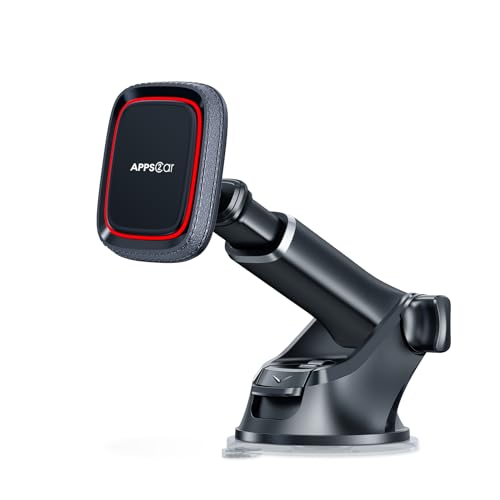
Live listings for the shortlist in this guide are pulled from Amazon below, so prices and availability are always current at the moment you look.


Choosing your mount with confidence
The best magnetic mount is not the one with the largest number on the box; it is the one whose magnets, mechanism, and mounting surface all suit the car, case, and routine it will live with every day. Built-in alignment rewards those who have it, a carefully placed ring rescues those who do not, and an honest look at your vents, dashboard texture, and summer temperatures will prevent most disappointments before they happen. Choose the hold you can trust at the worst pothole on your regular route, keep the placement safe and legal, and that small daily snap — phone on, eyes up, hands free — will quietly become the most satisfying interaction in your car.
Related guides
- Best Affordable Android Phones: Value Measured Across Four Years
- Best 3rd Party Android Phones: Six Challenger Picks Beyond Samsung and Google
- Best 6 Inch Android Phones: Six Compacts Compared by Grip, Camera and Support
- Best Ad On Mic for Android Phones: Six Add-On Microphones That Transform Phone Audio