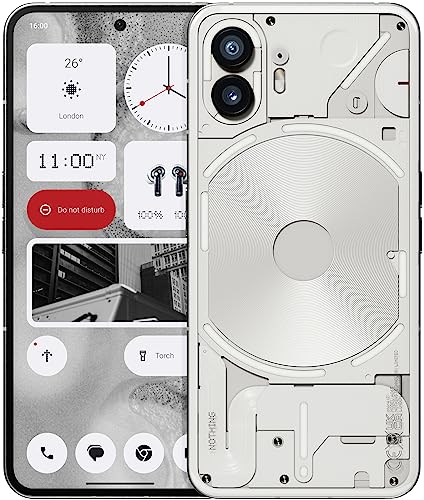
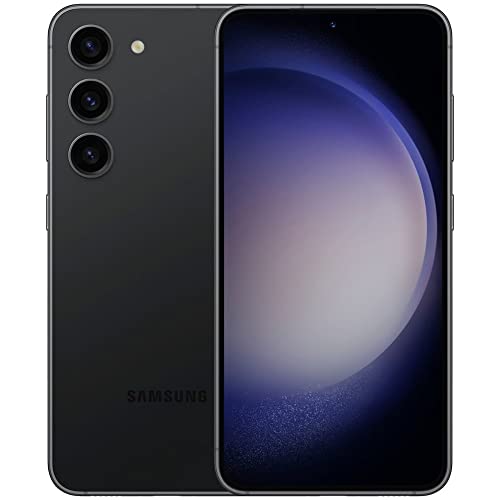
Our Top Picks
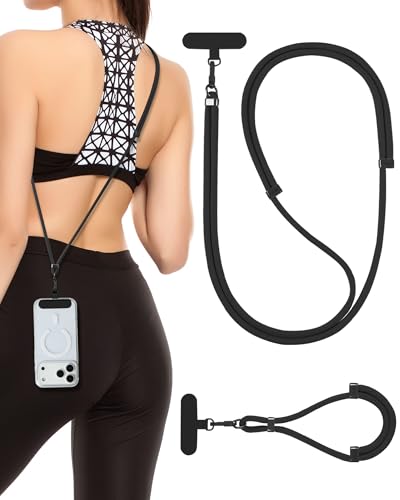


What's inside
- Measuring your phone before anything else
- Wallet cases: the phone carries the purse
- Zip pouches: a small bag built around the handset
- The strap: the feature in the name
- Materials: leather, fabric, synthetics, and clear designs
- Sizing for the largest Android phones
- Everyday scenarios, matched honestly
- Closures, clasps, and getting in quickly
- Weight, balance, and the long carry
- Care, cleaning, and keeping the accessory presentable
- What owner reports reveal that listings cannot
- Price bands without prices: what extra spending actually buys
- Avoiding the common buying mistakes
- Formal, casual, and the question of style range
- Gift buying and buying for someone else’s phone
- A calm final routine for choosing yours
- How the three families age in daily service
- Weather, seasons, and the strap through the year
- Small details that separate a favourite from a drawer resident
- Reading a product listing like an inspector
- The social life of a small accessory
- Check prices on Amazon
- A note on children, shared phones, and household spares
As an Amazon Associate I earn from qualifying purchases. This post may contain affiliate links at no extra cost to you.
Please note before reading further that some links on this page are affiliate links, meaning the site may receive a commission if you buy through them, while your own price stays the same and the recommendations below remain based on fit and construction rather than any commercial arrangement.
A wristlet for an Android phone solves a specific, familiar problem: the moments when a full bag is too much, pockets are too small or entirely absent, and the phone still has to come along. A school run, a dog walk, a festival queue, a quick trip into a shop, an evening event where a clutch is expected but a modern handset is enormous — in each case a small pouch or wallet case with a wrist strap promises to carry the phone, a few cards, perhaps keys and cash, while keeping both hands free and the device tethered against drops and forgetfulness.
The category sounds simple and turns out to be full of traps, nearly all of them involving size. Android phones span a wide range of heights, widths, and camera arrangements, and many wristlets were dimensioned for smaller handsets from earlier generations. A pouch that swallows one model may refuse another with a larger display, and a wallet case built for a specific handset fails completely if the camera island or button placement differs. This guide therefore treats measurement as the central skill, comparing product groups through manufacturer specifications, published dimensions, materials information, and owner reports about what actually fitted, what stretched, and what split.
Three broad families share the wristlet name. Wallet cases attach directly to the phone, adding card slots and a strap to the handset itself. Zip pouches form a small bag with a phone compartment, card pockets, and room for a few extras. Convertible designs sit between the two, with a detachable phone sleeve inside a larger wristlet body. Each family distributes weight, protection, and convenience differently, and the right choice depends on whether the phone is the whole cargo or merely the largest item in it. Readers still choosing the handset itself may find best 6 inch android phones a useful companion, because screen size decisions echo directly into accessory fit.
Measuring your phone before anything else
Every successful wristlet purchase begins with three numbers: the height, width, and thickness of your phone wearing the case it normally wears. Manufacturer specification pages publish the bare handset dimensions, and a ruler or the case maker listing adds the case allowance. Thickness is the figure shoppers most often skip, yet a slim pouch with a rigid structure may accept the height and width while its zip strains over a thick protective case, particularly one with raised corners or a built-in stand.
Pouch listings state internal or external dimensions, and the difference matters. External measurements describe the whole object including padding and seams, while the phone lives in the internal space, which can be noticeably smaller. When a maker publishes only external figures, owner reports become the practical guide, with buyers naming the exact handset models that fitted comfortably, fitted tightly, or failed to enter at all. A comfortable fit leaves room for a thumb to lift the phone out; a fit requiring force at the zip will annoy daily and stress every seam involved.
Camera islands complicate wallet cases in particular. A case moulded for one model positions its cutout precisely, and a neighbouring model in the same range may shift a lens or flash by millimetres that matter. Universal wallet folios avoid the cutout problem with elastic or sliding camera windows, trading precision for flexibility. Buyers between phones, or households sharing an accessory across two handsets, often prefer that flexibility, accepting a slightly less tailored look in exchange for an accessory that survives a handset upgrade.
Wallet cases: the phone carries the purse
The wallet case merges two objects into one, which is its entire appeal. Cards sit in slots on a folio cover or a rear panel, the strap loops around a wrist during calls and photographs, and nothing else needs carrying for short outings. Published slot counts range from a couple of card pockets to larger arrangements with a cash sleeve, and the honest capacity is usually one card fewer than the count suggests, because leather and fabric slots grip tightly when new and a fully stuffed case bulges against the screen.
Folio designs protect the display when closed and often fold into a viewing stand, while rear-panel wallet designs keep the screen exposed for quick glances and rely on a separate screen protector. The strap attachment point deserves close inspection on both styles. A strap anchored through a reinforced corner eyelet distributes a drop load across the case body, whereas a strap glued or stitched to a thin decorative tab can tear free at the moment it is needed most. Owner reports about straps are unusually direct on this point, naming attachment failures plainly, and those reports should outweigh polished product photography.
Wireless charging and contactless payment behaviour change with a loaded wallet case. Cards stored against the back of the phone can interfere with charging alignment and, in the case of payment cards, should never sit where they might be read unintentionally or demagnetised by a magnetic clasp, a concern makers of shielded designs address with published lining information. Many owners adopt a simple routine: charge the phone out of the wallet case overnight, and treat the case as daytime clothing for the handset rather than a permanent shell. Magnetic clasps strong enough to stay shut in a bag can also nudge compass behaviour, a small effect that matters to walkers navigating by phone.
Folio, rear wallet, and detachable hybrids
Folios suit people who read and watch on their phones during outings, because the cover becomes a stand and the screen gains protection in a pocket or bag. Rear wallets suit people who value speed, since the display is always ready and the whole object stays slimmer. Detachable hybrids attempt both lives: the phone sits in a slim inner case that magnetically or mechanically joins a larger wallet section, separating for calls, charging, or a run, and rejoining when cards are needed. The joining mechanism is the whole product in a hybrid, and published details about magnet strength or rail design, plus owner reports about accidental separation in bags, decide whether the cleverness survives contact with daily life.
Zip pouches: a small bag built around the handset
The zip pouch takes the opposite approach from the wallet case, giving the phone a compartment rather than a costume. A good pouch swallows the handset in its existing case, adds card slots on an inner wall or a separate section, and still finds room for keys, folded notes, a lip balm, or earbuds. Published capacities should be read as shapes rather than volumes: a flat pouch carries flat things gracefully and resists bulky extras, while a gusseted design expands for odd shapes at the cost of a thicker profile against the body or in the hand.
Zip quality quietly determines lifespan. A smooth metal or chunky moulded zip with a generous pull tab opens one-handed and survives years of cycles, while a fine, stiff zip catches lining and fails at the corner where stress concentrates. Double zips allow the pouch to open from either end and let a charging cable escape while the phone stays enclosed, a small pleasure during train journeys. Owner reports frequently identify the zip as the first failure point on otherwise sound pouches, so warranty terms and replacement policies deserve a glance before purchase.
Internal organisation separates thoughtful pouches from decorated envelopes. A padded phone sleeve keeps the screen away from keys, elastic loops corral cables, and a zippered inner pocket secures coins that would otherwise roam. Too many dividers, though, can consume the very space they organise, especially in the smallest sizes aimed at large phones where the handset already claims most of the interior. Compare the internal layout drawings makers publish against a mental picture of your actual cargo, item by item, rather than against an imagined tidy version of it.
The strap: the feature in the name
A wristlet lives or dies by its strap, because the strap is both handle and insurance policy. Length decides how the pouch hangs and whether it can slip over a gloved hand in winter; a strap that fits a bare wrist in a shop may refuse a coat cuff and glove combination in January. Published strap drop measurements, where given, allow comparison, and an adjustable or detachable strap widens the situations the accessory handles. Detachability also lets the pouch travel inside a larger bag without a loop tangling through everything else.
Strap construction varies from braided cord and flat leather to chain, webbing, and beaded designs, and each material behaves differently under load and weather. Leather softens and moulds with use but dislikes soaking rain. Webbing shrugs off weather and dries quickly, suiting dog walkers and festival crowds. Chain looks formal and adds noticeable weight while offering little grip if the pouch swings. The stitching or hardware joining strap to body matters more than the strap material itself, since drops load that junction suddenly, and reinforced bartack stitching or metal hardware at the join signals a maker who understood the assignment.
Security thinking belongs here as well. A wrist loop keeps a phone connected to its owner in a crowd, discourages casual snatching far better than a phone carried loosely in a hand, and prevents the quiet disasters of devices left on café tables and shop counters. It does not make the phone theft-proof, and a determined pull can injure a wrist, so the strap should be treated as retention against drops and forgetfulness rather than as a lock. Some owners add a second, longer crossbody strap for travel days, converting the wristlet into a small sling when crowds thicken, and designs with two attachment rings make that conversion graceful.
Materials: leather, fabric, synthetics, and clear designs
Full-grain and top-grain leathers headline the traditional end of the category, offering structure that softens gracefully, edges that can be burnished smooth, and a surface that records use as patina rather than damage. Published leather descriptions vary in honesty, and terms suggesting genuine material without specifying the grade deserve a cautious read. Leather wristlets generally protect against scuffs and light knocks rather than serious drops, and their card slots relax over the first weeks, a behaviour owner reports describe consistently enough that initial tightness should be read as normal rather than as a defect.
Technical fabrics and synthetic leathers serve a different brief. Nylon and recycled woven shells resist rain, wipe clean after spills, and weigh noticeably less than leather equivalents, which matters when the phone itself is already heavy. Quality synthetic leather can mimic the look of the real material while tolerating weather that would stain an untreated hide, though cheaper versions crack at fold points within a season. Saffiano-style textured finishes, in either material family, hide scratches well and grip more securely in a damp hand.
Clear and transparent wristlets occupy a niche created by venue rules. Stadiums and some events require see-through bags, and a clear pouch with a wrist strap satisfies gate staff while keeping the phone visible for messages and photographs. The transparent panels scratch and cloud over time, and privacy disappears entirely, so these designs work best as occasional-use specialists rather than daily carriers. A separate small group of rugged wristlets adds padded bumpers and water-resistant zips for outdoor use, trading elegance for survival on trails and beaches where the phone comes along but conditions argue against it.
Shielding, linings, and the cards inside
Many wristlets advertise shielding that blocks wireless skimming of payment cards, and published descriptions of that lining explain where the protection sits. Shielding usually covers specific card pockets rather than the whole pouch, so cards stored in an unshielded slot gain nothing, a detail worth confirming in the maker description before relying on it. The lining material also affects how smoothly cards slide, and a grippy lining that holds cards securely during a swing can make one-handed removal at a till unexpectedly awkward until the motion becomes familiar.
Screen-facing linings deserve equal attention. Soft microfibre or brushed fabric against the display wipes light smudges passively and avoids the fine scratches that gritty unlined interiors can work into a screen over months of sliding contact. In wallet folios, the card edges themselves face the screen when closed, and designs that recess the slots or add a divider protect the display from pressure marks during a drop onto the folio face. These are small engineering courtesies, invisible in listings, that owner reports reward with unusual loyalty when present and mention bitterly when absent.
Sizing for the largest Android phones
Large handsets dominate current Android ranges, and wristlet sizing has not always kept pace. A pouch designed when displays were smaller may technically admit a modern large phone while leaving the zip under constant strain, the corners exposed, or the strap attachment twisted by the bulge. Shoppers with the biggest models should look for listings that name their exact handset among compatible devices, or that publish internal dimensions with clear headroom over their own measurements, case included. Readers comparing handset sizes themselves can browse best all screen android phones to see how completely displays now fill the bodies that pouches must accommodate.
Foldable phones introduce a sizing puzzle of their own. Folded, they are short and thick; open, they become small tablets no wristlet claims. A pouch for a foldable must be judged on the folded shape, with thickness as the governing figure, and wallet cases for foldables are model-specific by necessity. Owners of foldables appear often in accessory discussions precisely because universal products serve them worst, and their reports about which pouches genuinely closed without force are worth seeking before ordering anything universal.
Camera protection interacts with size in wallet cases. Raised lips around a camera cutout guard lenses when the phone rests on a table, and a folio cover guards everything when closed. In a pouch, the phone keeps whatever case it already wears, which is a genuine argument for the pouch family among owners who have already invested in serious drop protection and do not wish to abandon it for the sake of a strap. The wristlet then becomes an outer layer, and its job narrows to carrying, organising, and retaining rather than armouring.
Everyday scenarios, matched honestly
The school run and the dog walk reward the zip pouch: keys, phone, a card for emergencies, and nothing that spills when a lead jerks or a child bolts. The evening event rewards the wallet case or a slim leather wristlet, where appearance counts and cargo stays minimal. The festival and the match reward weather-resistant fabric, a secure zip, and a strap that can convert to crossbody wear when crowds press close. The daily commute rewards organisation, because a pouch that presents the travel card instantly and the phone without excavation turns a small accessory into a routine improvement repeated twice a day.
Travel sharpens every requirement. A wristlet holding passport-adjacent essentials must organise documents without mixing them into the card slots used hourly, and airport security favours designs where the phone emerges quickly for trays and boarding passes. Some travellers choose a wristlet as the personal item companion to a cabin bag, keeping valuables on the wrist during the flight rather than in an overhead locker. Published passport fit is worth verifying directly, since document dimensions differ from phone dimensions in the width direction that pouches find hardest.
Work settings split by dress code and habit. A wristlet can carry a phone and an access card between meeting rooms in buildings where bags stay at desks, and health or retail workers who move constantly appreciate keeping the handset tethered rather than pocketed against constant bending. Anyone whose role involves photography on the move benefits from the strap during shooting, since the phone can dangle safely between shots instead of being pocketed and retrieved a hundred times, a rhythm owners who document property, deliveries, or site work describe as the unexpected main benefit. Those who shoot often may also enjoy best android camera smartphones for the handset side of that workflow.
Closures, clasps, and getting in quickly
How a wristlet closes decides how it feels twenty times a day. Zips secure everything against spills and inversions but add a step to every access. Magnetic snaps open instantly and close with a satisfying certainty, yet can pop under a heavy load or a bag crush. Kiss-lock frames, common on formal designs, open wide and display contents beautifully while offering modest security against determined fingers. Flap-and-stud arrangements on wallet cases balance speed and retention for the phone itself while leaving card slots to friction.
Access speed matters most for the phone, because calls and photographs arrive unannounced. A pouch that requires two hands, a zip, and a wrestle with a tight sleeve will cause missed moments, and owners quietly abandon such designs to a drawer. The better pouches allow a practised one-hand sequence: strap already on the wrist, zip drawn with the free hand or the same hand thumb, phone lifted by a ribbon pull or a well-placed thumb notch. Listings rarely describe this choreography, but owner reports do, often in the language of daily frustration or daily delight, and those passages are the most predictive reading in the whole category.
Weight, balance, and the long carry
A wrist carries what a shoulder would not notice. The combined weight of a large phone, a leather pouch, several cards, keys, and coins hangs from a small joint, and an arrangement that feels charming for ten minutes can ache by the end of an afternoon of sightseeing. Published weights for the empty accessory help, but the honest test is assembling your real cargo and carrying it around the house for an hour. Designs that distribute the load through a wider strap, or that offer the crossbody conversion for longer outings, respect this physiology better than narrow cords on heavy pouches.
Balance affects drops as much as comfort. A pouch loaded unevenly, with keys swinging at one corner, rotates in the hand and presents its zip or clasp at awkward angles. Internal organisation that fixes heavy items centrally, and strap attachments positioned at the balance point of the loaded body, keep the whole object calm in motion. These qualities emerge in use rather than in photographs, which is why return windows have genuine value in this category and why buying from listings with clear return terms is a practical rather than pessimistic choice.
Care, cleaning, and keeping the accessory presentable
Leather wristlets ask for occasional conditioning and dislike being left wet, while fabric designs tolerate a hand wash and air dry with little ceremony. Published care instructions from makers are worth following literally in both cases, because improvised cleaning causes a surprising share of the damage owners later attribute to quality. A leather pouch soaked by rain should dry slowly away from radiators, stuffed lightly to hold its shape, and a fabric pouch emptied of cards before washing so dyes and damp do not meet pale card edges.
Zips benefit from the smallest maintenance habit in the category: keeping the teeth free of grit and occasionally running a plain wax or graphite touch along a stiff track, following whatever the maker recommends. Strap hardware benefits from a glance every few weeks, checking that rings have not opened slightly and that stitching at the anchor remains tight. A loose ring discovered at home costs a moment with pliers; the same ring discovered by gravity above pavement costs a screen. Owners who build that glance into a monthly routine report straps lasting the life of the pouch rather than ending it.
Storage between uses shapes ageing too. A wristlet hung by its strap for months stretches the loop and stresses one anchor, while a pouch stored stuffed with its last cargo can set creases into leather and pressure marks into linings. Empty, loosely filled with tissue, and resting flat in a drawer is the dull arrangement makers suggest, and dull arrangements are usually the correct ones for objects expected to serve for years.
What owner reports reveal that listings cannot
Certain truths about wristlets only surface after months of ownership, and gathering them is where public owner reports earn their place in this guide. Card slots that begin perfectly may relax until a card slides during a jog, or stay stubbornly tight long after a listing implied they would soften. Pale linings show pen marks and makeup transfer that darker interiors hide. A strap that photographs elegantly may twist into a cord under load, concentrating weight uncomfortably. None of these behaviours appear in a specification table, yet each decides whether an accessory is still in daily service a year later.
Reports also map the category onto real handsets with a precision universal listings avoid. When several owners independently confirm that a named pouch closed smoothly over a particular large model in a particular case, that consensus is stronger evidence than a maker compatibility line written seasons earlier. Conversely, repeated complaints about a zip grazing a specific camera housing should end consideration for owners of that handset, however attractive the design. Reading reports by searching for your own phone model name, rather than browsing general impressions, converts anecdote into something close to a fitting service.
Durability patterns by material emerge clearly across many reports. Quality leather scuffs and recovers with conditioning, mid-grade synthetics peel at flex points, canvas frays first at strap anchors, and clear panels yellow fastest in sun-exposed use. These are tendencies rather than verdicts on individual products, and they help a buyer align expectations with material choice before money moves. A formal leather wristlet used twice a month may look new for a decade, while the same object used daily on a building site would be the wrong tool entirely.
Price bands without prices: what extra spending actually buys
Without naming figures, the structure of the market still teaches useful lessons. The simplest wristlets buy a pouch shape and a strap, with materials and stitching that serve light, occasional use. Mid-range designs add the refinements this guide keeps returning to: reinforced strap anchors, smoother zips, shielded card pockets, softer linings, and dimensions checked against current large handsets. Premium designs spend on leather grade, edge finishing, hardware quality, and construction that can be repaired rather than replaced, differences felt in the hand and across years rather than photographed easily.
Spending more does not buy a better fit for your specific phone, and that sentence deserves emphasis. An expensive universal pouch that strains over your handset is a worse purchase than a modest one dimensioned exactly for it. Fit first, then closure behaviour, then strap construction, then materials, is the ordering that keeps money aimed at satisfaction. Buyers upgrading a handset soon should also weigh timing, since a model-specific wallet case bought weeks before a phone change is value destroyed by calendar rather than by quality. Those planning an unlocked upgrade can keep options open with best affordable unlocked android phones and delay the case decision until the new handset is in hand.
Avoiding the common buying mistakes
The first mistake is measuring the phone and forgetting the case, already covered but worth repeating because it causes the largest share of returns. The second is counting card slots instead of rehearsing cargo: lay out the actual cards, keys, and extras you intend to carry, and compare that small pile with the internal layout before ordering. The third is choosing a strap for appearance alone, ignoring length over winter clothing and the strength of its anchor. The fourth is assuming a folio wallet case suits one-handed use, when many owners find the cover flap awkward during quick photographs and move to a rear wallet or pouch within months.
A subtler mistake involves charging habits. Owners who rely on wireless charging through the day sometimes discover their chosen wallet case, loaded with cards, makes alignment fussy or impossible, and the accessory that organised their morning complicates every afternoon top-up. Checking the maker statements about charging, and planning a routine that separates phone and wallet for charging, prevents that friction. Similarly, anyone using the phone for contactless payment should confirm that stored cards and clasps do not interfere with the payment they reach for most, because a wristlet should shorten queues rather than lengthen them.
Colour choice carries a practical edge beyond taste. Pale colours display denim transfer and city grime quickly, especially in suede-like finishes, while very dark glossy surfaces show scratches and fingerprints under event lighting. Mid-tone textured finishes age most gracefully under mixed use, a pattern so consistent across owner reports that it functions as a rule of thumb for daily carriers, leaving the dramatic colours to occasional pieces that live gentler lives.
Formal, casual, and the question of style range
A wristlet is visible in a way a pocketed phone never is, so its style range decides how many settings it can serve. Smooth leather in a neutral tone with minimal hardware crosses from daytime errands to evening events without comment, while sporty webbing, bright colours, and novelty charms announce a narrower context. Neither approach is wrong; the error is buying a narrow design for a broad life or expecting a formal piece to survive muddy recreation. Many owners settle on two wristlets, an everyday fabric workhorse and a smarter leather piece, and report higher satisfaction than from one expensive compromise asked to do everything.
Hardware finish coordinates with more than jewellery. A strap ring or clasp in a warm metal beside a phone frame and watch in cool tones looks accidental in photographs, a trivial concern until the accessory appears in every event picture for a season. Makers offering the same design with alternative hardware finishes make coordination easy, and detachable straps allow a single pouch body to change character with a strap swap, an economical route to range that also provides a spare strap if the first wears or fails.
Gift buying and buying for someone else’s phone
Wristlets make tempting gifts and treacherous ones, because the giver rarely knows the recipient exact handset dimensions or case habits. Universal zip pouches with generous internal dimensions are the safer gift format, ideally accompanied by a gift receipt that makes an exchange painless rather than awkward. Model-specific wallet cases should only be gifted when the exact handset model is confirmed, including which generation, since neighbouring generations with similar names can differ in camera placement enough to ruin the fit.
For recipients who travel, attend events, or juggle children, the organisational virtues matter more than fashion, and a pouch with a secure zip and a convertible strap tends to land well across tastes. For recipients who prize minimalism, a slim wallet case that replaces a separate purse for short outings can feel genuinely liberating. In both cases the strap anchor and zip quality checks from earlier sections apply with full force, because a gift that fails early is remembered longer than a gift that merely underwhelms.
A calm final routine for choosing yours
Measure the phone in its case and write the three dimensions down. Decide the family first — wallet case, zip pouch, or hybrid — by rehearsing your real cargo and your real outings rather than imagining idealised ones. Shortlist designs whose published internal dimensions clear your measurements with room to spare, then examine strap anchors, closure behaviour, lining, and shielding placement in the maker descriptions. Read owner reports filtered by your own handset name, watching for zip behaviour, slot relaxation, and strap longevity. Confirm the return route in case the in-hand feel disappoints, because balance and access choreography only reveal themselves in use.
Then make the unfashionable checks that protect the purchase: whether wireless charging fits your routine with this design, whether the strap passes over winter clothing, whether cards sit in the shielded pockets you assumed were protected, and whether the whole loaded object remains comfortable on your wrist for a full hour at home. A wristlet passing those checks will not merely carry an Android phone; it will simplify the small journeys that fill most days, keeping the device present, protected, and impossible to leave behind on a counter.
Pick the wristlet that fits your handset, your cargo, and your ordinary Tuesdays, and it will quietly become the accessory you reach for without thinking — which is precisely the compliment this category exists to earn.
How the three families age in daily service
Wallet cases age alongside the phone itself, which gives them a defined lifespan tied to the handset generation. Their corners scuff from the same drops the phone survives, their card slots relax into a personal fit for the exact cards carried, and their strap anchors endure thousands of small tugs rather than a few dramatic ones. Owners who change phones every couple of years often accept this horizon happily, treating the wallet case as a consumable companion to the device. Owners who keep handsets longer should examine whether replacement straps and cases for their model remain available, because a discontinued model-specific design cannot be renewed when its hinge or clasp finally tires.
Zip pouches age independently of handset fashion, which is their quiet economic advantage. A well-made pouch can serve three successive phones, provided each generation stays within its internal dimensions, and its wear pattern reflects the owner life rather than a product cycle. Zips can be serviced, straps can be replaced, and leather can be conditioned back from neglect. That longevity shifts the value calculation: spending more on a pouch with replaceable parts and classic proportions often costs less across a decade than cycling through fashionable cases, a point owner reports make repeatedly when totalling what they have spent on accessories over the years.
Hybrids age along two clocks at once. The universal wallet body may remain sound while the model-specific inner case becomes obsolete at the next handset change, and the wisdom of the format depends on whether the maker sells fresh inner cases for new models at reasonable terms. Published accessory ecosystems, where a maker lists inner cases across many handset generations, signal commitment to the system. A hybrid from a maker who abandons the inner-case range leaves the owner with a wallet half that fits nothing current, so research the ecosystem, not merely the object, before adopting the format.
Weather, seasons, and the strap through the year
Rain reorganises accessory priorities instantly. A zip pouch in water-resistant fabric keeps a phone dry through a shower that would soak an open wallet case, while leather designs need drying time and can mark pale clothing if caught wet and untreated. Summer brings sunscreen and insect repellent, both unkind to pale leathers and some synthetic finishes, and beach sand infiltrates zips with a persistence that rewards a rinse-and-dry routine after coastal days. Winter gloves test strap length and zip pull size together, and a pull tab that a bare thumb found elegant in September can become unusable in mittens, a seasonal detail owners in cold climates rank surprisingly high.
Heat inside a parked car is the hidden seasonal hazard for any phone accessory. A wristlet left on a seat can bake the handset beyond comfortable operating temperatures and soften adhesives used in some case constructions. The accessory cannot solve that problem, but a design that encourages carrying the phone on the wrist rather than abandoning it in the vehicle quietly prevents the scenario. Habits, once again, are part of the product: the best wristlet is the one whose carrying style keeps the phone with its owner through weather, travel, and distraction.
Small details that separate a favourite from a drawer resident
Certain minor features recur in accounts of beloved wristlets with a frequency that elevates them beyond minor status. A small external slip pocket for a transit card saves opening the main compartment dozens of times a week. A ribbon or tab that lifts the phone from a deep sleeve prevents fingernail excavation at the zip. A strap that can be removed in seconds lets the pouch serve inside a larger bag on long days and as a standalone carrier on short ones. An interior in a light colour reveals contents at a glance in dim venues, while a dark exterior hides the evidence of the street.
Equally telling are the details whose absence owners cite when an accessory is retired early. A clasp that opens under the weight of the loaded pouch. A card slot positioned so the folio cannot close flat. A strap anchor placed where the hand naturally grips, creating a pressure point during calls. A zip whose teeth scratch the phone frame on every entry because the sleeve sits misaligned. None of these flaws appear in headline descriptions, and all of them appear in the lived descriptions of people who carried the object daily, which is the strongest argument for the report-reading step in the buying routine above.
When a wristlet is the wrong answer
Honest guidance includes the situations where this category should be passed over. Anyone carrying medical supplies, a large power bank, a full-size wallet, and a phone already exceeds wristlet territory and needs a small bag with a shoulder strap. Anyone whose phone serves as a work tool with constant two-handed typing may find a folio cover perpetually in the way and a pouch perpetually unzipped, suggesting a simple case and a separate card holder instead. Anyone in an environment of genuine theft risk should treat the wrist loop as convenience rather than security and choose concealment over display. Recognising those boundaries protects buyers from forcing a charming format onto an unsuitable life.
There is also a middle path worth naming: using a wristlet seasonally or situationally rather than as a permanent system. Many owners keep one for holidays, events, and weekend errands while carrying a conventional arrangement on workdays, and that part-time role relaxes several requirements at once. The occasional wristlet can favour appearance over organisation, lightness over cargo, and novelty over decade-long durability, because its service is measured in happy outings rather than in years of daily labour.
Reading a product listing like an inspector
A disciplined pass through any wristlet listing extracts more truth than the headline promises. Start with dimensions and identify whether they describe the interior or the shell, then compare them against your written handset measurements with the case allowance included. Move to the strap and look for anchor construction in the photographs: stitching density, reinforcement patches, and hardware rather than decorative attachments. Read the closure description for zip composition or clasp mechanism, and search the text for lining and shielding placement rather than accepting a general claim that protection exists somewhere inside.
Continue with the compatibility language, which reveals how a maker thinks. A listing naming exact handset models, with notes about case thickness, was written by someone who fitted real phones. A listing promising universal fit for every large handset ever made, without dimensions, is asking the buyer to absorb the risk. Warranty and return terms complete the inspection, because a maker confident in strap anchors and zips can afford clear commitments, while vague assurance language often accompanies the constructions that owner reports later criticise.
Photographs deserve the same scepticism as text. Images showing the pouch loaded, the strap under tension, and the interior layout teach more than a pristine hero shot against flowers. Scale cues matter: a hand in the frame, a recognisable card at the opening, or the phone itself half-inserted communicates size honestly. When every photograph hides the zip ends, the strap junction, and the interior, assume those areas are ordinary at best and plan the purchase around the return policy rather than around hope.
The social life of a small accessory
Wristlets participate in social signals more than most phone accessories because they are carried openly and chosen visibly. A sleek leather piece at a formal dinner reads as an evening bag that happens to hold technology, while a rugged fabric pouch at a trailhead reads as equipment. That readability can be used deliberately: the same person may want discretion in a professional setting, visibility for a safety-conscious night walk, or celebration at a festival. Thinking about where the accessory will be seen, and by whom, is not vanity but another form of fit, matching object to context the way dimensions match pouch to phone.
There is a practical courtesy dimension too. A phone on a wristlet is a phone less likely to be placed on a shared table, slid across a counter, or left in a fitting room, and companions notice the reduction in small dramas across a day out. Photographers in a group appreciate the strap during shared sightseeing, because the handset can rest between shots without a pocketing ritual, and the owner can hand the whole arrangement to a friend for a group picture with the loop providing a grip for unfamiliar hands. Small social efficiencies like these rarely headline a listing, yet they accumulate into the feeling that an accessory has genuinely improved daily logistics.
Ultimately the category succeeds when it disappears into routine. The cards are where the hand expects them, the zip opens the way the thumb remembers, the strap is simply there when a grip fumbles, and the phone returns home every night because leaving it behind became physically awkward. Judge every candidate against that unglamorous destination — a quieter, tidier relationship with the object you carry most — and the measurements, materials, and construction details in this guide will point, reliably, to the wristlet that belongs on your wrist.
Check prices on Amazon
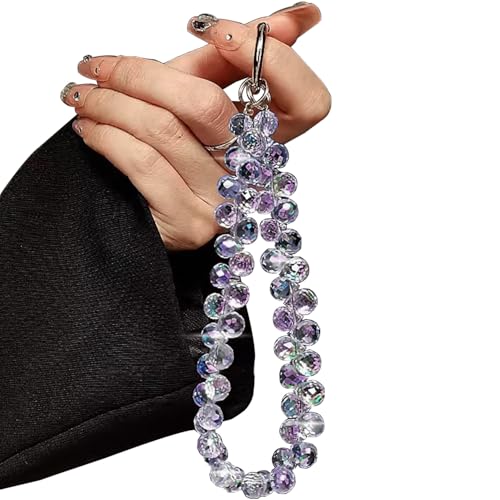
Live listings for the shortlist in this guide are pulled from Amazon below, so prices and availability are always current at the moment you look.



A note on children, shared phones, and household spares
Households often hand a wristlet a second career beyond its original owner. A pouch retired from daily service becomes the carrier for a spare handset kept for guests, a teenager first phone during outings, or a dedicated device for music and navigation in the car. Universal pouches excel at this afterlife because their fit does not depend on one model, and a strap in good condition keeps an unfamiliar phone safe in younger hands during a park trip or a school event. Checking the zip and anchor before that handover takes a minute and preserves the trust the arrangement depends on.
For younger users specifically, the priorities reorder themselves. A secure zip outranks instant access, a strap that adjusts small outranks elegant hardware, and a fabric body that tolerates washing outranks leather that demands care a child will not provide. Bright colours serve a genuine function here, making the accessory visible in a pile of belongings at the end of the day. Parents reading owner reports from other families will find sizing notes for popular handsets and candid accounts of which constructions survived a school year, evidence far more relevant than general durability claims.
Shared household use also argues for simple organisation that anyone can decode without instruction: phone in the padded sleeve, cards in the obvious slots, keys on the ring provided rather than loose among the lining. When a wristlet layout is intuitive, it gets used correctly by whoever picks it up, and correct use is what keeps screens intact and cards accounted for. The most sophisticated internal architecture fails that household test if it requires a manual, while a plain three-part layout passes it every single time.
So let the final decision rest on the life the accessory will actually lead in your hands and your household, measured in real millimetres, loaded with real cargo, and carried through real weather, because a wristlet chosen that honestly will still be earning its place long after prettier listings have been forgotten.
One more rehearsal is worth doing before the first outing, ideally at the kitchen table where mistakes are free. Load the wristlet exactly as planned, walk the house while swinging it gently as a crowd or a staircase would, open and close it a dozen times, remove and replace the phone with each hand, and pay a pretend bill from the card slots while the strap hangs from your wrist. Any awkwardness discovered in that rehearsal — a card that hides too deeply, a zip that needs two hands, a strap that slips toward the fingers — will repeat itself in public with an audience, so adjust the load, swap the strap position, or reconsider the design while the return window stands wide open.
After that rehearsal, give the accessory a fair first week rather than a verdict on day one. Leather slots relax, a new zip smooths, and the hand learns its choreography with repetition, so minor stiffness at the start often resolves into the easy familiarity owners describe months later. What should not be excused after a week is a strap anchor that creaks or frays, a closure that opens uninvited, or a fit that still demands force, because those are construction facts rather than breaking-in behaviour, and they predict failure rather than comfort.
Keep a small habit alongside that first week: empty the wristlet fully each evening onto the same surface at home, returning cards, keys, and phone to their places in one unhurried pass. The ritual catches a loosening strap, a card migrating toward an unshielded pocket, or a zip beginning to hesitate, long before any of them can cause a public problem, and it resets the load so the next morning starts organised rather than inherited from yesterday clutter. Accessories that receive that modest attention routinely outlast identical ones carried thoughtlessly, a difference owner reports attribute to luck far more often than to the thirty seconds of care actually responsible.
Carry it that way — measured, rehearsed, and briefly inspected each evening — and the little strap on your wrist will do its unglamorous work so reliably that you will only notice it on the rare day you forget it.
That evening ritual has one more quiet benefit worth naming before this guide closes: it teaches the household where the phone sleeps, so a handset missing at bedtime triggers a search measured in minutes rather than a morning of retracing steps through coats, bags, and car seats. A wristlet, in the end, is a small promise about where things belong, kept one ordinary day at a time by an owner who chose it with open eyes.
Trust that promise, verify it carefully with a ruler and a rehearsal at home, and the search that brought you here ends not with a purchase alone but with a calmer, tidier, more dependable way of carrying the device your whole day already revolves around.