Our Top Picks
 Rogue R67S Unlocked 4G LTE Smartphone for T-Mobile6.78 x 3.13 x 0.39 inches0.5 poundsCheck on Amazon


What's inside
- Why good Android phones get overlooked
- How to judge an overlooked phone on published data
- The overlooked phones worth a close look
- Matching screen size and shape to your hands
- Risks that come with a quieter brand
- A calm buying routine for an unfamiliar name
- Questions readers ask about overlooked Android phones
- Closing view
- Living with a tall screen
- Living with a metal body
- What gaming reveals about cooling
- Reading a camera specification honestly
- Why eSIM support still varies
- Charging habits that protect a battery
- How to read owner reports well
- The value of a headphone jack in 2026
- Storage maths for photographers
- When last year flagship silicon beats a new mid-range chip
- Software skins and why they matter less than support
- Trade-in and upgrade paths for niche brands
- Reading warranty terms before the box arrives
- Dual SIM behaviour in daily use
- Why weight balance beats weight alone
- How software update cadence feels in real life
- Importing a phone without regret
- When a smaller brand is the safer family choice
- Reading between the lines of a launch announcement
- A note on colours, finishes, and regret
- Comparing two finalists fairly
- How to spot a neglected gem in a shop listing
- The role of software features nobody advertises
- When waterproofing claims need a second look
- A word about chargers in the box
- How community ROMs and long support interact
- The overlooked compact segment deserves its own afternoon
- Negotiating with yourself about storage
- Why launch regions create false scarcity
- Putting the whole shortlist through one evening of reading
- What this guide deliberately left out
- The patience premium, explained
- Firmware diaries and what they reveal
- A shortlist is a set of compromises you chose
- Why word of mouth keeps these models alive
- Final thought before the profiles fade
- The evening the research ends
- A closing word on badges
- One last check on the way out
- Why this shelf will keep refilling
- Check prices on Amazon
- A note that belongs at the very end
As an Amazon Associate I earn from qualifying purchases. This post may contain affiliate links at no extra cost to you.
Some links in this guide are affiliate links, and the site may earn a commission when readers buy through them at no extra cost to the reader. That income keeps this coverage independent, and it never changes which phones appear here or the order in which they are discussed.
The best overlooked Android phones rarely lose on specifications. They lose on attention. A launch with no stadium advert, a brand with no carrier-shop window, or a model sold mainly online can slip past buyers who would have loved its screen, its battery, or its headphone jack. This guide gathers Android phones from smaller ranges and quieter launches, compares only published specifications and maker policy pages, and adds owner reports where they reveal everyday friction such as delayed cases or patchy repair cover.
Every phone below earns its place for a concrete reason that can be checked on a specification sheet: a replaceable battery, a dedicated shutter button, a metal body, a very long update promise, or a compact width that mainstream ranges have abandoned. The trade-offs are stated just as plainly, because an overlooked phone asks more of its buyer. You may need to order accessories early, confirm network bands by hand, and accept slower resale later.
Why good Android phones get overlooked
Marketing budgets shape what most people ever see. Samsung and Google buy the billboards, sponsor the sports coverage, and stock the carrier shops where many contracts are signed. A Sony, Sharp, or Fairphone launch may be announced in a single press release and stocked by a handful of online retailers. The hardware can be excellent while the awareness stays near zero outside enthusiast forums.
Distribution adds a second filter. A phone certified for one region may never receive shelf space in another, even when its radios would work there. Retail buyers prefer models with predictable sell-through, so a tall narrow Sony or a repairable Fairphone looks risky to a shop even when readers who find those features love them. Online-only sales also remove the chance to hold the phone, which hurts models whose appeal is physical, such as light weight or a grippable textured back.
Timing plays a part as well. A mid-range launch landing in the same week as a famous flagship announcement receives a fraction of the coverage. Chip launches can also mislead: a phone using a slightly older flagship processor may be dismissed as dated, even when that processor remains faster than a brand-new mid-range chip and runs cooler in a slim body.
None of this makes an overlooked phone a secret bargain by default. It means the specification sheet deserves a fair reading before the badge decides the verdict. The sections below set out how to read that sheet, then profile ten phones in detail, then cover the risks that genuinely come with choosing a quieter brand.
How to judge an overlooked phone on published data
Chipset speed needs context, not a logo
A processor name alone tells only half the story. Sustained speed depends on cooling, storage speed, and how aggressively the maker throttles under heat. A Dimensity chip in a well-cooled body can hold frame rates longer than a nominally faster chip in a thin body that heats quickly during a summer train ride. Published benchmark charts help, but owner reports from hot climates add useful signal about throttling during navigation and video calls. Check whether the phone uses UFS storage rather than slower eMMC, because app installs and photo saves feel different every single day.
Software updates are a published promise you can verify
Update policy is printed material, not a rumour. Makers publish the number of Android version upgrades and the years of security patches for each model, and those figures differ sharply inside this list, from two upgrades on some models to five on others. A longer window matters for banking apps, work profiles, and passkey support, all of which age out on abandoned software. Write the end-of-support year on a note before buying, then judge the phone against how long you realistically keep a handset.
Battery size, charging speed, and battery health are separate questions
Capacity in milliamp hours sets a ceiling, while screen brightness, signal strength, and background sync decide how close a day gets to that ceiling. Fast wired charging changes habits: a short top-up while making tea can matter more than a huge cell that takes two hours to fill. Wireless charging adds desk convenience but usually adds heat. Look for published battery-health features such as charge limits near eighty percent, which slow wear for people who charge overnight on a bedside table.
A display is more than its diagonal size
Refresh rate shapes how scrolling feels, yet brightness outdoors decides whether a map is readable at noon. OLED panels give deep blacks for night reading, and flat panels accept tempered glass protectors more easily than curved edges. Tall narrow screens suit one-handed reach and reading long articles, while wider panels suit spreadsheets and split-screen work. Published peak brightness figures use small window sizes, so treat them as a guide rather than a promise for full-screen sunlight use.
Cameras should be judged by the lens set you will actually use
A high megapixel count on the main camera matters less than optical stabilisation for evening street photos and walking video. Ultra-wide cameras vary widely in quality, and many overlooked models skip a telephoto lens entirely, relying on digital crop from the main sensor. Front camera resolution matters for video calls in poor light more than for social posts. If you record concerts or school plays, check published video limits, microphone notes in owner reports, and whether a dedicated shutter button or pro mode exists.
Network bands decide whether an import is a bargain or a paperweight
A phone sold for another region may lack the 5G or LTE bands your carrier uses most in rural areas. Published band lists can be compared line by line with a carrier frequency page before any money moves. Carrier certification also affects voice-over-LTE and emergency calling behaviour on some networks. Dual SIM support helps travellers, yet eSIM support is still uneven among smaller brands, so a physical SIM tray may be the safer choice for frequent flyers.
Storage, expansion, and ports still separate these phones
MicroSD expansion survives on Sony and Fairphone models in this list while disappearing almost everywhere else. A headphone jack remains on a handful of models and removes dongle friction for wired listeners. USB port speed differs too: some phones move large video files quickly over a cable, while others crawl at USB 2.0 speeds. If you shoot a lot of video, published transfer rates and desktop modes deserve a look before the colour choice does.
Build quality includes what happens after a drop
Ingress ratings such as IP68 describe lab conditions for water and dust, not a licence to swim with a phone. Gorilla Glass versions, frame material, and weight distribution change how a phone survives a fall onto pavement. Repairable designs from Fairphone and HMD trade slimness for screws and replaceable parts, which changes the maths when a screen cracks in year three. Ask whether a local repair shop stocks parts for the brand before assuming a quick fix.
The overlooked phones worth a close look
Sony Xperia 10 VI
Meet the Sony Xperia 10 VI, built by Sony. Under its screen sits a Snapdragon 6 Gen 1 processor, and the screen itself is a 6.1-inch OLED panel refreshing at 60Hz. It is the tall-screen reader of this group, happiest with long articles and wired earbuds on a night train.
Energy for the Sony Xperia 10 VI comes from a 5,000 mAh cell, refilled through wired charging without a headline fast-charge claim. Support, meanwhile, is printed as four years of security patches in Sony published material. Around the back, a 48-megapixel main camera does the photographic heavy lifting, while a 3.5mm headphone jack and microSD expansion that larger rivals have dropped gives this model a flourish that headphone loyalists notice immediately.
For the Sony Xperia 10 VI, the trade is real: a narrow 21:9-style tall screen that splits opinion when typing two-handed. Night-shift readers and wired-music keepers recognise themselves in the audience line: readers who still plug in wired headphones and keep a local music library on a card. Night readers forgive that trade fast, while sceptics should trust their first reaction.
ASUS Zenfone 11 Ultra
Meet the ASUS Zenfone 11 Ultra, built by ASUS. Under its screen sits a Snapdragon 8 Gen 3 processor, and the screen itself is a 6.78-inch AMOLED panel refreshing at 144Hz. It is the quiet flagship of this group, happiest where camera controls and clean software matter more than adverts.
Energy for the ASUS Zenfone 11 Ultra comes from a 5,500 mAh cell, refilled through 65-watt wired charging plus wireless charging in the published specification. Patch cover, meanwhile, is stated as ASUS policy notes listing two Android version upgrades alongside five years of patches. Around the back, a 50-megapixel main camera with gimbal stabilisation does the photographic heavy lifting, while a compact-brand flagship that borrows gaming-phone silicon without gaming-phone styling gives this model a flourish that shutter-button loyalists notice immediately.
For the ASUS Zenfone 11 Ultra, the trade is real: limited carrier promotion in many markets, so shelf presence stays low. Flagship-speed buyers avoiding gaming styling recognise themselves in the audience line: people who want flagship speed without a curved screen or a gaming aesthetic. Flagship hunters forgive that trade fast, while sceptics should trust their first reaction.
Readers who want the mainstream shortlist first can compare this guide with our roundup of best 10 android phones before returning here for the quieter alternatives that big launches tend to bury.
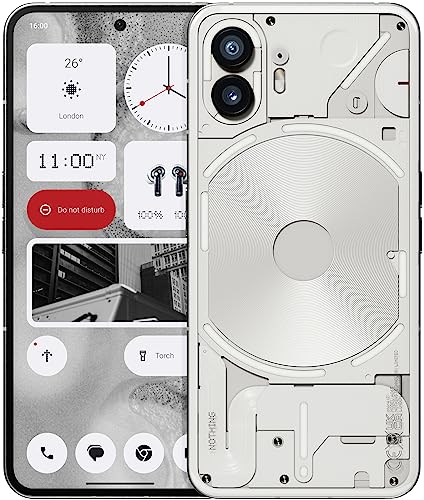
Nothing Phone (2a) Plus
Meet the Nothing Phone (2a) Plus, built by Nothing. Under its screen sits a MediaTek Dimensity 7350 Pro processor, and the screen itself is a 6.7-inch AMOLED panel refreshing at 120Hz. It is the extrovert of this group, happiest when its lights and clear back start conversations in a cafe.
Energy for the Nothing Phone (2a) Plus comes from a 5,000 mAh cell, refilled through 50-watt wired charging in the published specification. Longevity, meanwhile, is promised as Nothing policy material promising three Android version upgrades and patches across five years. Around the back, a 50-megapixel main camera and a matching 50-megapixel front camera does the photographic heavy lifting, while a transparent back with a light interface that blinks for timers and notifications gives this model a flourish that light-show loyalists notice immediately.
For the Nothing Phone (2a) Plus, the trade is real: no wireless charging and a plastic frame that some buyers expect to feel firmer. Selfie takers and design-first buyers recognise themselves in the audience line: design-led buyers who take many selfies and set visual timers during cooking. Design lovers forgive that trade fast, while sceptics should trust their first reaction.
Motorola ThinkPhone 25
Meet the Motorola ThinkPhone 25, built by Motorola. Under its screen sits a MediaTek Dimensity 7300 processor, and the screen itself is a 6.36-inch pOLED panel refreshing at 120Hz. It is the office diplomat of this group, happiest carrying work accounts through a long compliance-heavy week.
Energy for the Motorola ThinkPhone 25 comes from a 4,310 mAh cell, refilled through 68-watt wired charging plus 15-watt wireless charging in Motorola material. Updates, meanwhile, are committed as a published promise of five Android version upgrades with patches running five years. Around the back, a 50-megapixel main camera with optical stabilisation does the photographic heavy lifting, while business security tooling and a MIL-STD-810H durability rating in the datasheet gives this model a flourish that security-minded loyalists notice immediately.
For the Motorola ThinkPhone 25, the trade is real: a smaller battery than most phones in this roundup, so heavy navigation days end sooner. Desk workers juggling office accounts recognise themselves in the audience line: workers who carry one phone for office accounts and personal use. Office carriers forgive that trade fast, while sceptics should trust their first reaction.
Shoppers weighing a quieter model against a discounted mainstream rival often start with value, and our guide to best affordable android phones under 200 shows what the tightest budgets buy in the familiar ranges before you stretch for something like the models above.
Fairphone 5
Meet the Fairphone 5, built by Fairphone. Under its screen sits a Qualcomm QCM6490 processor, and the screen itself is a 6.46-inch OLED panel refreshing at 90Hz. It is the marathon runner of this group, happiest in a household that measures phone life in many years.
Energy for the Fairphone 5 comes from a 4,200 mAh cell, refilled through 30-watt wired charging in the published specification. Support cover, meanwhile, reads as five major Android upgrades and support stretching toward 2031 in Fairphone material. Around the back, a 50-megapixel main camera and a 50-megapixel ultra-wide camera does the photographic heavy lifting, while a user-replaceable battery and modules that can be swapped with a screwdriver gives this model a flourish that repair-minded loyalists notice immediately.
For the Fairphone 5, the trade is real: a thicker body and a price position shaped by repairability rather than raw speed. Keepers who replace batteries at kitchen tables recognise themselves in the audience line: owners who keep phones for many years and replace a worn battery themselves. Long keepers forgive that trade fast, while sceptics should trust their first reaction.
HMD Skyline
Meet the HMD Skyline, built by HMD. Under its screen sits a Snapdragon 7s Gen 2 processor, and the screen itself is a 6.55-inch pOLED panel refreshing at 144Hz. It is the nostalgic tinkerer of this group, happiest with a screwdriver nearby and a spare battery in a drawer.
Energy for the HMD Skyline comes from a 4,600 mAh cell, refilled through 33-watt wired charging plus magnetic wireless charging in HMD material. Patch years, meanwhile, are listed as HMD printed promise of two Android version upgrades and three patch years. Around the back, a 108-megapixel main camera with optical stabilisation does the photographic heavy lifting, while a repairability-focused design where the back cover and battery can be replaced with common tools gives this model a flourish that repairability loyalists notice immediately.
For the HMD Skyline, the trade is real: a shorter update window than Motorola and Fairphone rivals listed here. Lumia nostalgists with screwdrivers recognise themselves in the audience line: tinkerers who like the old Lumia look and want to open a phone without heat guns. Tinkerers forgive that trade fast, while sceptics should trust their first reaction.
OnePlus Nord 4
Meet the OnePlus Nord 4, built by OnePlus. Under its screen sits a Snapdragon 7 Plus Gen 3 processor, and the screen itself is a 6.74-inch AMOLED panel refreshing at 120Hz. It is the metal-backed sprinter of this group, happiest in the hands of a commuter who charges in short bursts.
Energy for the OnePlus Nord 4 comes from a 5,500 mAh cell, refilled through 100-watt wired charging in the published specification. Software cover, meanwhile, is pledged as OnePlus material committing to four Android version upgrades and six patch years. Around the back, a 50-megapixel main camera with optical stabilisation does the photographic heavy lifting, while a metal unibody that feels unusual beside glass-backed mid-range phones gives this model a flourish that metal-body loyalists notice immediately.
For the OnePlus Nord 4, the trade is real: no microSD slot and no wireless charging in the specification sheet. Metal-back commuters with ten-minute charging windows recognise themselves in the audience line: commuters who charge in short bursts and prefer a metal back. Commuters forgive that trade fast, while sceptics should trust their first reaction.
Network choice matters as much as hardware for several phones in this list, so readers comparing coverage and speeds can also read our explainer on best 5g phones android and then return to the band lists quoted for each model here.
POCO X6 Pro
Meet the POCO X6 Pro, built by POCO. Under its screen sits a MediaTek Dimensity 8300 Ultra processor, and the screen itself is a 6.67-inch AMOLED panel refreshing at 120Hz. It is the gamer of this group, happiest holding frame rates steady through an evening of fast titles.
Energy for the POCO X6 Pro comes from a 5,000 mAh cell, refilled through 67-watt wired charging in the published specification. Longevity cover, meanwhile, stands as Xiaomi policy material covering three Android version upgrades and four patch years. Around the back, a 64-megapixel main camera with optical stabilisation does the photographic heavy lifting, while gaming-grade cooling and high touch sampling aimed at fast-paced titles gives this model a flourish that gaming loyalists notice immediately.
For the POCO X6 Pro, the trade is real: an interface with preinstalled extras that needs a tidy-up during setup. Frame-rate hunters on evening trains recognise themselves in the audience line: mobile gamers who care more about frame stability than camera versatility. Gamers forgive that trade fast, while sceptics should trust their first reaction.
Sony Xperia 5 V
Meet the Sony Xperia 5 V, built by Sony. Under its screen sits a Snapdragon 8 Gen 2 processor, and the screen itself is a 6.1-inch OLED panel refreshing at 120Hz. It is the photographer of this group, happiest with a shutter button under an index finger at a school play.
Energy for the Sony Xperia 5 V comes from a 5,000 mAh cell, refilled through 30-watt wired charging plus wireless charging in Sony material. Support years, meanwhile, are given as Sony printed promise of two Android version upgrades and three patch years. Around the back, a 48-megapixel main camera using a large sensor for its class does the photographic heavy lifting, while a dedicated shutter button and detailed manual photo and video controls gives this model a flourish that manual-camera loyalists notice immediately.
For the Sony Xperia 5 V, the trade is real: a tall narrow body that makes one-handed reach easy but split-screen cramped. Shutter-button photographers at school plays recognise themselves in the audience line: photographers and video makers who prefer physical controls and compact width. Photographers forgive that trade fast, while sceptics should trust their first reaction.
Sharp AQUOS sense9
Meet the Sharp AQUOS sense9, built by Sharp. Under its screen sits a Snapdragon 7s Gen 2 processor, and the screen itself is a OLED panel measuring 6.1 inches and refreshing at up to 240Hz in Sharp material for the home market. It is the lightweight traveller of this group, happiest in a shirt pocket on a long walking day in a new city.
Energy for the Sharp AQUOS sense9 comes from a 5,000 mAh cell, refilled through 36-watt wired charging in the published specification. Patch longevity, meanwhile, is recorded as Sharp policy notes recording three Android version upgrades and patches across five years. Around the back, a 50-megapixel main camera with optical stabilisation does the photographic heavy lifting, while a lightweight body near 166 grams and strong water resistance ratings gives this model a flourish that featherweight loyalists notice immediately.
For the Sharp AQUOS sense9, the trade is real: import-only availability in many countries, which complicates warranty claims. Light-pocket walkers crossing new cities recognise themselves in the audience line: buyers in supported markets who prioritise light weight and a compact footprint. Walkers forgive that trade fast, while sceptics should trust their first reaction.
Matching screen size and shape to your hands
Two phones with the same diagonal measurement can feel completely different. A tall narrow Sony suits thumb typing and coat pockets, while a wide OnePlus suits landscape video and split-screen email. Width in millimetres, listed on every specification sheet, predicts one-handed comfort better than diagonal size does. Weight matters over a long day too: a phone near 166 grams disappears in a shirt pocket, while a metal or large-battery model near 200 grams reminds you it is there by evening.
Anyone who prefers a genuinely compact body can narrow the field with our size-focused guide to best 6 inch android phones and then check whether the smaller models there still meet the update and battery standards set out above.
Consider a nurse working night shifts who reads on breaks, listens through wired earbuds, and needs a battery that survives a string of long shifts without a power bank in a locker. For her, the Sony and Fairphone entries rise to the top because the jack, the card slot, and patch life line up with shift work.
Consider a student who keeps lecture recordings, photographs whiteboards, and wants a phone that still receives security patches when a degree finishes three or four years later. His shortlist narrows to models with five-year patch promises and at least a mid-size cell, because a hand-me-down with expired support helps nobody at home.
Consider a delivery rider who mounts a phone on a handlebar, squints at maps in bright sun, and cares about glove-friendly size more than a fashionable finish. Glove-season handling pushes her toward narrower bodies and textured backs, and she checks width figures before she ever looks at camera samples.
Consider a parent handing a phone down to a teenager in two years, where remaining update life and a replaceable battery matter more than launch-day speed. His decision lands on whichever model still has two years of patches left at handover day, even if a rival photographs marginally better tonight.
Consider a traveller who swaps physical SIM cards at airports, stores offline maps on a memory card, and distrusts hotel Wi-Fi enough to rely on mobile data. Airport practicality makes the physical SIM tray and card expansion decisive for him, ahead of any difference in benchmark charts.
Consider a small-business owner who runs a card reader, a work profile, and two messaging accounts on one device and cannot risk a phone abandoned by its maker. She chooses the longest update window on the page and schedules the setup hour for notifications and work-profile rules on the first evening.
Consider a commuter who records a podcast on the train, edits short clips at lunch, and needs fast cable transfers to a laptop in the evening. Fast cable transfer speeds and a capable main camera settle his pick, because his evening workflow moves large files every single day.
Consider a gardener who photographs plants, works with wet hands, and values water resistance and a grippable back over a mirror-polished frame. Water resistance, a grippy finish, and one-handed reach matter most in her garden, so the lightest sealed model wins her money.
Risks that come with a quieter brand
Accessories arrive later and choice stays thinner
Case makers follow sales volume, so an overlooked phone may launch with two case styles while a bestseller gets fifty. Screen protectors cut for an unusual tall panel can take weeks to appear in local shops. Buying the case and protector in the same order as the phone avoids a naked first fortnight. Magnetic charging alignment also varies, and a case that is slightly thick can break wireless charging that worked on a bare phone.
Repair networks are patchy outside major cities
Authorised service for smaller brands may mean posting the phone away for a week rather than walking into a shop. That delay matters if the phone holds work two-factor codes. Before buying, locate the nearest service point on the maker support page and note the quoted turnaround for a screen replacement. Independent shops can handle batteries on repairable models, but glued flagships from small brands often need parts ordered in advance.
Resale value falls faster when demand is narrow
A phone few people search for second-hand sells slowly and often for less than a mainstream rival with similar specifications. That is a drawback for upgraders and a benefit for second owners hunting value. Keeping the box, receipt, and spare seals helps any later sale. If resale matters, a model with a longer update window holds its appeal longer because the next owner still receives patches.
Software quirks reward a patient setup hour
Smaller software teams ship clean interfaces on some models and cluttered ones on others. Budget an hour after setup to remove unwanted preinstalled apps, set notification rules, and check battery optimisation for banking and messaging apps. Owner forums flag recurring quirks such as delayed notifications or camera app freezes faster than review cycles do. A return window is worth more than a small discount when trying an unfamiliar brand.
Carrier features may need manual configuration
Visual voicemail, Wi-Fi calling, and 5G toggles sometimes need carrier settings that arrive automatically on big-brand phones but require a manual access point check here. A quick call to the carrier with the exact model name settles most questions before purchase. Travellers should also confirm roaming band coverage for the countries on their next itinerary, using the published band list rather than shop summaries.
A calm buying routine for an unfamiliar name
- Copy the exact model number from the maker page, because regional variants share names while carrying different network bands and storage options.
- Compare the published band list with your carrier frequency page, and confirm Wi-Fi calling support for the exact model before ordering.
- Read the update policy on the maker site and note the month and year when security patches are scheduled to end.
- Order a case and screen protector in the same basket, since third-party stock for quieter models can lag the phone itself by weeks.
- Check the nearest authorised repair option and the posted turnaround for a cracked screen while the return window is still open.
- Keep the receipt and box, because a complete package materially helps resale on a model with a smaller second-hand audience.
That routine takes under an hour and removes most of the uncertainty that surrounds a lesser-known badge. It also creates a fair comparison: once bands, updates, and repair routes are confirmed, the remaining differences are honest preferences about size, cameras, charging, and design. A phone that survives those checks has earned consideration on merit.
Questions readers ask about overlooked Android phones
Are phones from smaller brands safe for banking and work accounts?
Banking safety follows update status more than brand size. A phone inside its published security patch window, running a current Android version, and protected by a screen lock and biometric unlock meets the baseline that banks publish. Check the patch level in settings during the return window, and avoid any model whose maker cannot state an end-of-support date in writing.
Will a phone bought from another region work on my carrier?
It can, provided the published band list covers your carrier main bands and the device is certified for voice services where you live. Data may work while voice calling fails on networks that require specific certification, so a carrier check with the exact model number is essential. Import warranties also differ, and some makers require the phone to return to its home market for service.
Do overlooked phones receive updates on time?
Timing varies more than the total promise. Some smaller makers deliver patches a month or two behind the largest brands while still honouring the published end date. Owner forums track patch arrival by model and region, and a quick search there before buying reveals whether a maker habitually delivers late or quietly stops early.
Is a replaceable battery worth a thicker phone?
For a keeper, often yes. A battery is the part most likely to wear out first, and a swap that takes minutes with a screwdriver extends the useful life of the whole device. The cost is thickness, weight, and sometimes a lower water-resistance rating. Readers who upgrade every two years gain less from repairability than readers who plan five or six years of service.
Closing view
The overlooked shelf is where Android still takes chances: shutter buttons, memory cards, metal bodies, repairable frames, and update promises that embarrass louder rivals. Choose with bands checked, accessories ordered, and support dates written down, and a quiet launch can become the phone you recommend to everyone else next year.
Living with a tall screen
A tall narrow display changes small habits. Video in landscape leaves black bars, yet reading feeds and long documents feels natural because more lines fit without shrinking text. Thumb keyboards sit within reach, and a one-handed mode is rarely needed. The compromise appears in games designed around wider views and in photo editing, where controls crowd the edges.
Living with a metal body
Metal backs shrug off the fine scratches that glossy glass collects from keys and grit in a pocket. They also feel cool in winter and warm during fast charging, which some owners love and others dislike. Wireless charging needs a window or coil-friendly design, so check the specification rather than assuming a metal phone charges on a pad.
What gaming reveals about cooling
Games expose cooling design faster than benchmarks. A phone that holds a steady frame rate for forty minutes in a warm room will also feel composed during long video calls and hotspot use. Published vapour-chamber notes and owner reports from warm regions are the best public evidence available without laboratory gear.
Reading a camera specification honestly
Sensor size, aperture, and stabilisation predict low-light results better than megapixel totals. A large sensor with optical stabilisation gathers more light per shot, while a small high-resolution sensor leans on processing. Sample galleries published by makers are polished, so owner photo threads with unedited evening shots give a fairer sense of a camera character.
Why eSIM support still varies
eSIM adoption depends on carrier deals as much as hardware. Several smaller brands keep a physical tray as the only option, which suits travellers who buy local SIM cards at kiosks. Dual standby behaviour also differs, and a second line may drop to slower data while a call is active on the first.
Charging habits that protect a battery
Heat and long periods at full charge wear lithium cells fastest. A charge limit setting, a slower overnight charger, and keeping the phone out of direct sun on a car dashboard all slow that wear. Fast charging remains useful for travel days, and using it occasionally matters far less than daily heat exposure.
How to read owner reports well
Owner reports reward pattern-spotting. A single angry post about a software bug matters less than twenty owners describing the same delayed notification across two update cycles. Look for reports written after several months, because launch-week impressions miss battery ageing, case availability, and patch rhythm.
The value of a headphone jack in 2026
A 3.5mm jack removes adapters, Bluetooth pairing delays, and a second battery to charge. It also keeps cheap wired earbuds working as a backup when wireless buds run flat on a long journey. For listeners who already own good wired headphones, a jack can be the single feature that settles a shortlist.
Storage maths for photographers
A minute of high-resolution video can consume hundreds of megabytes, so internal storage fills faster than photo libraries suggest. Models with memory card expansion move that pressure off the internal drive, while fast USB transfers help everyone else. Cloud backup over mobile data is a poor substitute on capped plans.
When last year flagship silicon beats a new mid-range chip
An older flagship processor often brings a better graphics unit, faster storage support, and a stronger image signal processor than a fresh mid-range chip. The trade is efficiency and modem features. For gamers and photographers, the older flagship chip inside several overlooked models remains a rational choice.
Software skins and why they matter less than support
A clean interface is pleasant on day one, but security support decides year four. Some skins add useful extras such as call recording where legal, granular permission controls, or desktop modes. Others duplicate apps and send promotional notifications. The setup hour spent disabling clutter pays back daily, and a launcher can reshape the home screen without changing the underlying update promise.
Trade-in and upgrade paths for niche brands
Large brands run generous trade-in schemes that quieter makers rarely match. That difference belongs in the total cost calculation for serial upgraders. Keepers, by contrast, may never use a trade-in scheme and gain more from repairability and long patch support. Decide which buyer you actually are before letting a trade-in headline steer the choice.
Reading warranty terms before the box arrives
Warranty length, accidental-damage options, and battery coverage differ between makers and regions. A two-year warranty with local service can be worth more than a faster chip with mail-in-only support. Photograph the receipt, register the device if the maker asks, and store the serial number somewhere separate from the phone itself.
Dual SIM behaviour in daily use
Two lines on one phone sounds simple until data switching, call waiting, and messaging defaults meet real life. Some models allow data on either SIM with a quick toggle, while others tie data to a primary slot. Travellers and gig workers should test both lines during the return window, including a call while downloading on the other line.
Why weight balance beats weight alone
A phone that carries its mass near the centre feels calmer in one hand than a lighter phone that is top-heavy with a large camera block. Cases shift that balance again. Published weight figures start the conversation, but owner comments about wrist fatigue on long reading sessions finish it.
How software update cadence feels in real life
Monthly patches that arrive six weeks late still protect a phone, yet the delay can lock users out of a work app that demands a recent patch level. Some employers publish a minimum patch window for access to company accounts. If a phone will carry work data, that employer rule outranks every other preference in this guide, and a model with a proven delivery rhythm deserves the nod.
Importing a phone without regret
Importers should budget for a compatible charger plug, possible customs handling, and a warranty that may require international postage. The saving can still be real, especially on models discounted in their home market. What an importer must never skip is the band check and the seller return terms, because those two lines decide whether a mistake is an inconvenience or a total loss.
When a smaller brand is the safer family choice
Parents sometimes choose a quieter brand deliberately: fewer promotional apps, a calmer interface, and a price that hurts less when a screen meets a playground. Add a rugged case and a long patch window and the overlooked model becomes the sensible family handset, even if no classmate recognises the badge on its back.
Reading between the lines of a launch announcement
Launch copy leads with the strongest number available, whether that is charging speed, refresh rate, or a camera megapixel total. The honest details sit lower: update years, storage type, port speed, and water rating. Training yourself to read a specification from the bottom up is the single skill that makes overlooked phones visible in the first place.
A note on colours, finishes, and regret
Quieter models often ship in two finishes rather than five, and the interesting colour may be limited to one storage size. Since a case covers the back within a day for most owners, finish regret fades quickly. Storage regret does not fade at all, which is why the larger capacity deserves priority when a budget forces one choice.
Comparing two finalists fairly
When two models remain, list the five facts you verified for each: bands, patch end date, battery size, charging speed, and repair route. Score them against your own week rather than a reviewer week. The phone that wins your actual routine — school runs, night shifts, long rides — is the right phone, whatever a ranking table says.
How to spot a neglected gem in a shop listing
Sort a retailer category by newest rather than by popularity and the overlooked models finally surface. Read the three lines most listings hide below the fold: update years, storage type, and band support. A phone that wins those three lines while losing the popularity sort is exactly the animal this guide exists to find.
The role of software features nobody advertises
Small features compound: a reliable scheduled dark mode, granular notification snoozing, a one-handed mode that actually shifts the whole interface, and call screening where supported. None of these sell a phone in a thirty-second advert, yet owners mention them constantly after six months. Maker feature pages list them plainly for anyone patient enough to read past the headline numbers.
When waterproofing claims need a second look
Ingress ratings are earned in controlled conditions with clean water and a sealed, undamaged device. A cracked back or a worn SIM tray gasket quietly voids the assumption behind the rating. Overlooked phones with replaceable backs deserve extra care here, because a user-swapped cover must seat perfectly before the rating means anything at the poolside.
A word about chargers in the box
Several smaller brands still include a charger and a basic case while larger rivals sell both separately. That bundle changes the real starting cost and the first-week experience. Check the box contents on the maker page rather than assuming, because regional packaging differs and an unboxing from another market can mislead.
How community ROMs and long support interact
A few phones in this list attract active community development, which can extend useful life beyond official support for confident owners. That path is optional, region-dependent, and unsuitable for banking-first users who need certified software. Treat it as a bonus for tinkerers, never as a substitute for the official update promise when comparing models.
The overlooked compact segment deserves its own afternoon
Compact phones are the clearest proof that attention and merit part ways. Tooling a small body costs makers more per unit, so the segment survives mainly where a brand commits to it, as Sony and Sharp have. Anyone with small hands or small pockets should try the compact entries here before accepting a large phone by default.
Negotiating with yourself about storage
Decide storage by looking at your current phone: open its storage screen, note the used figure, and double it for a keeper. That simple arithmetic prevents the most common regret in owner threads. Models with card expansion forgive a wrong guess; sealed models do not, and cloud subscriptions are a slow way to pay for a saving made at checkout.
Why launch regions create false scarcity
A model can be plentiful in its home market and nearly invisible elsewhere, which distorts owner forums into thinking it failed. Scarcity in your country is a distribution fact, not a quality verdict. It does, however, affect parts and resale locally, so weigh it as a practical matter rather than a judgement on the phone itself.
Putting the whole shortlist through one evening of reading
Give each finalist twenty minutes: the maker specification, the update policy page, one long owner thread, and the carrier band page. Four sources, twenty minutes, no hype. By the end of that evening the overlooked phone that suits you usually stands out with surprising clarity, because its strengths will have matched your list again and again.
What this guide deliberately left out
Phones without a verifiable update policy, models sold only through unofficial channels with no warranty route, and devices whose band lists could not be confirmed were excluded. An overlooked phone should be a considered choice, not a gamble, and every model above can be checked line by line against primary published sources before purchase.
The patience premium, explained
Overlooked phones reward a buyer who can wait a week for a case and a day for a delivery slot. Impatient buyers pay for immediacy with mainstream models and next-day everything. Neither temperament is wrong, but naming yours honestly prevents the most common mismatch in owner threads, where the phone is blamed for a distribution model the buyer never accepted.
Firmware diaries and what they reveal
Makers publish update changelogs that quietly document camera tuning, battery fixes, and security work. Reading three months of changelogs for a finalist reveals whether a maker maintains a phone actively or merely keeps a promise on paper. Active maintenance shows in small, regular entries rather than in launch speeches.
A shortlist is a set of compromises you chose
Every phone in this guide trades something away. The discipline is choosing your compromises instead of inheriting a ranking compromises. Write the two things you refuse to trade — perhaps patch years and a card slot — and let everything else be negotiable. That single written line will outlast every advertisement you see this year.
Why word of mouth keeps these models alive
Overlooked phones survive on recommendations between people who share a niche need: the repairable phone passed between siblings, the compact Sony mentioned in a photography group, the gaming POCO traded among students. That slow, specific praise is worth more than a billboard, because it arrives with the drawbacks already attached.
Final thought before the profiles fade
If a model above matched your written priorities three times in a row, stop researching and start verifying bands and repair routes. Research has a point of diminishing returns, and it sits right where verification begins. The overlooked shelf rewards the decisive checker far more than the endless comparer.
The evening the research ends
There comes an evening when another comparison table adds nothing. You have bands checked, dates noted, a case chosen, and a repair route mapped. Buying then, calmly, is not impulsiveness; it is the research doing its job. The overlooked phone you pick that evening will feel less like a gamble and more like a found object.
A closing word on badges
Badges are shortcuts, and shortcuts fail exactly where needs get specific. Nobody else shares your exact mix of hands, habits, commute, and patience. The phones above exist because makers still serve those specific mixes, quietly and well. Serving yours is the only test that matters, and it is a test you can now run from published facts alone.
One last check on the way out
Before any order, open the maker page for your chosen model one final time and read the footnote lines aloud: bands, support dates, box contents, warranty region. Footnotes are where overlooked phones hide their only real surprises. Five quiet minutes there have saved more buyers than any ranking ever published anywhere.
Why this shelf will keep refilling
As long as launch marketing concentrates on a handful of flagships, good phones will keep slipping past the spotlight. That is not a market failure to lament; it is a standing invitation to readers who enjoy finding value where attention forgot to look. This guide will need new entries every season, and that is precisely the fun of it.
Check prices on Amazon
Live listings for the shortlist in this guide are pulled from Amazon below, so prices and availability are always current at the moment you look.


A note that belongs at the very end
Keep the specification printout, the support-date note, and the carrier band check together in one folder, paper or digital. When a friend asks in two years why your quiet phone still feels right, that little folder will contain the whole answer, written in your own hand on the day you chose well.
FAQ
Are phones from smaller brands safe for banking and work accounts?
Will a phone bought from another region work on my carrier?
Do overlooked phones receive updates on time?
Is a replaceable battery worth a thicker phone?
Related guides
- Best Affordable Android Phones: Value Measured Across Four Years
- Best 3rd Party Android Phones: Six Challenger Picks Beyond Samsung and Google
- Best 6 Inch Android Phones: Six Compacts Compared by Grip, Camera and Support
- Best Ad On Mic for Android Phones: Six Add-On Microphones That Transform Phone Audio