Our Top Picks


What's inside
- Why tall vehicles benefit most from a rear camera
- Camera types that fit this class of vehicle
- Reading the picture: resolution, angle, and distortion
- Night performance and poor weather
- Displays: where the picture lives
- Wired, wireless, and the truth about lag
- Mounting positions around the rear of the vehicle
- Towing, trailers, and hitching alone
- Power, activation, and everyday behaviour
- Installation planning for a large cabin
- Image quality in real scenes
- Durability across seasons
- Legal and safety framing
- Costs beyond the box
- Choosing by household pattern
- Questions to settle before ordering
- Common disappointments and their causes
- How the picture interacts with mirrors and windows
- Recording, privacy, and neighbourhood courtesy
- Signal formats and compatibility in plain terms
- Screen size, pixel density, and readable detail
- Seasonal routines and long term care
- Balancing budget against the cost of one mistake
- Final judgement for this category
- Special situations worth a moment of thought
- Check prices on Amazon
- A short pre purchase rehearsal
As an Amazon Associate I earn from qualifying purchases. This post may contain affiliate links at no extra cost to you.
Reversing a tall sport utility vehicle feels different from backing a small sedan out of a driveway. The rear pillars are thicker, the tailgate sits higher, and the ground directly behind the bumper often disappears from view long before a driver reaches it. Children on scooters, low garden walls, shopping carts, and the corner of another parked vehicle can all hide in that blind area. A well chosen backup camera does not replace mirrors or a turned head, yet it fills the gap that glass alone cannot cover, turning a guess into a picture you can judge.
This guide walks through how rear view systems suit larger family vehicles, what separates a crisp installation from a frustrating one, and which trade offs matter before money changes hands. Rather than chasing a single headline specification, the comparison looks at field of view, low light behaviour, display choices, wiring routes, weather sealing, and day to day habits. Drivers who tow, drivers who park on steep streets, and drivers who share one vehicle among several household members will each notice different strengths, so the sections below separate those needs instead of blending them into one vague verdict.
A note on how this page earns its keep: certain outbound links on this site may bring a small commission if a reader later buys something, and that support arrives without adding anything to the price paid at checkout. The reasoning here stays independent of that arrangement. Features are described because they help a buyer decide, not because a commission exists, and any guide that cannot explain its own criteria in plain language deserves a sceptical read.
Why tall vehicles benefit most from a rear camera
Height creates the central problem. In many sport utility models the base of the rear window sits well above the waist of a standing adult, which means objects closer than a few metres behind the tailgate simply fall below the sight line. A camera mounted near the number plate looks downward from a lower, wider vantage point. That changed angle reveals the bumper edge, the tow ball, painted bay lines, and obstacles that would otherwise remain invisible until contact felt inevitable.
Length matters as well. A long wheelbase sweeps a broad arc when the steering wheel turns, so the rear corners travel paths that differ from what the front wheels suggest. Watching the picture while moving slowly lets a driver see those corners approach a post or kerb in real time. The benefit grows in older neighbourhoods where driveways narrow between hedges, and in modern car parks where bays shrink while vehicles keep growing.
The blind zone behind the tailgate
Every vehicle carries a wedge of unseen ground astern, but the wedge deepens as the body rises. Safety groups describe that area in metres rather than centimetres for large models. A camera shrinks the wedge dramatically because its lens sits near bumper height and tilts toward the tarmac. Still, the picture has edges. Objects at the extreme corners, items approaching quickly from the side, and anything above lens height may stay outside the frame, which is why mirrors remain part of the routine.
Parents describe a particular worry around school gates and sports grounds, where small children move unpredictably between parked cars. A clear rear image, checked before the vehicle moves at all, gives one more chance to spot a child crouching to tie a shoe. The habit matters more than the hardware: glance first, move slowly, and stop the moment anything in the frame looks unclear.
Camera types that fit this class of vehicle
Buyers meet three broad families. Dedicated rear cameras serve one purpose and usually deliver the cleanest reversing picture. Dual channel dash systems add a rear unit to a front recorder, recording both directions while also showing a reverse view. Finally, mirror replacement units clip over or substitute for the interior mirror, combining a display with recording. Each family suits a different owner, and the cheapest route on paper can become the dearest once installation time enters the calculation.
Readers comparing recorder style systems may also find our notes on best dash cameras with night vision useful, because the rear units in those kits share sensors and processors with the dedicated cameras discussed here. The overlap helps explain why two products with similar headline resolution can produce noticeably different pictures after dark.
Dedicated reversing cameras
A single purpose camera sends its feed to a screen that wakes when reverse gear engages. Simplicity is the appeal. There are fewer menus, fewer recording settings, and usually a faster wake up than a feature packed recorder can manage. Owners who already like their dashboard layout often prefer this route, adding only the screen they need. The drawback is narrow usefulness: the unit does nothing while driving forward, so drivers wanting journey recording must buy separate hardware.
Paired front and rear recorders
Combined kits record traffic ahead and behind, then switch the display to a full rear view during reversing. That double duty appeals to commuters who want evidence after an incident as well as parking help. Wiring grows more complex, since the rear lead must travel the length of the cabin, often along headlining or sill trims. Storage cards, parking modes, and companion phone software also enter the decision, adding convenience for some owners and clutter for others.
Mirror mounted displays
Replacing the interior mirror with a wide screen solves the dashboard space problem elegantly. The display sits where eyes already travel, and a broad panel can show the rear scene with generous scale. Glare becomes the watchword. Bright sunlight through the rear window can wash the image, and drivers who rely on the mirror for ordinary rearward glances may dislike a screen that behaves differently at night. Anti glare coatings and automatic brightness help, though they rarely erase the compromise entirely.
Reading the picture: resolution, angle, and distortion
Resolution figures dominate packaging, yet the reversing task rewards other qualities first. A driver needs to judge distance, recognise shapes, and read the relationship between bumper and obstacle. Moderate pixel counts can serve that task well when the lens is clean and the screen is decent. Chasing the highest number while accepting a narrow lens or dim display usually disappoints. Balance beats bragging rights in this category.
Field of view and the fisheye trade off
Lenses for reversing duty commonly span a wide arc, often somewhere between one hundred twenty and one hundred seventy degrees on paper. Wider coverage shows the corners of the bumper and traffic crossing behind, which helps in busy car parks. The cost is distortion. Straight lines bow, distances stretch near the edges, and a post at the frame edge may sit closer than it appears. Narrower lenses look more natural and make distance judgement easier, while hiding more of the corner zone.
Practical buyers think about their usual parking. Someone reversing onto a busy street values side coverage, because bicycles and cars approach from outside a narrow frame. Someone easing into a tight garage values accurate centre distance more. Neither preference is wrong. Matching lens character to routine is the point, and product descriptions that state the viewing angle alongside a sample image deserve more trust than those quoting angle alone.
Guidelines, fixed and steering linked
Overlay lines help translate a flat picture into distance. Simple fixed grids divide the scene into zones, often coloured, so a driver learns how far an obstacle sits once it crosses a band. Dynamic lines bend with steering input on vehicles that supply that data, predicting the arc of travel. Dynamic overlays feel clever and can genuinely assist in curved approaches, but they demand compatible wiring or vehicle data access. Fixed lines, once a driver learns their spacing on that particular vehicle, remain surprisingly effective.
Adjustability matters more than sophistication. Installers can often shift the overlay or calibrate its width so the outer lines track the true flanks of the vehicle. A system that locks its grid in one position may mislead on a wide model, suggesting clearance where the body actually extends further. During setup, placing two cones at the rear corners and checking their position against the grid teaches more than any manual diagram.
Night performance and poor weather
Reversing rarely happens in perfect light. Winter evenings, underground car parks, rain slicked driveways, and unlit rural lanes all test a camera. Small infrared lamps around the lens illuminate the near field, while sensitive sensors stretch available light from street lamps or the reversing lamps themselves. Buyers report that the difference between systems grows obvious after dark, even when daylight pictures look similar.
Our research notes a recurring pattern in owner feedback: glare from the vehicle own reversing lamps can bloom across the image when the lens sits too close to a lamp cluster. Mounting position and automatic exposure control decide whether the scene stays readable. A camera that exposes for the bright lamp area may plunge the rest of the driveway into darkness. Better exposure logic balances the frame, keeping the ground plane visible even when a lamp flares.
Rain, mud, and the dirty lens problem
Road spray coats everything at the back of a tall vehicle. The lens, sitting low, collects mist and grit quickly, and a smeared lens turns a sharp system into a foggy guess. Hydrophobic coatings shed droplets for a while. Some vehicles hide the camera behind a badge or cover that opens only in reverse, protecting the glass between uses. Owners in muddy regions describe wiping the lens as part of their weekly fuel stop routine, a small habit that preserves the whole point of the purchase.
Water resistance ratings describe how the housing handles jets and immersion, yet seals age. Heat cycles, pressure washers aimed too closely, and winter salt all work on gaskets over years. A camera that survives its first winter may fog internally by the third if the seal degrades. Replaceable units with standard connectors make that future repair cheaper than systems moulded permanently into a trim panel.
Displays: where the picture lives
Choosing a screen shapes daily satisfaction as much as choosing the camera itself. Factory fitted dashboards may accept an added feed through an interface module, preserving a clean interior. Standalone monitors sit on the dash or windscreen, offering larger pictures at the cost of visual clutter. Mirror screens, discussed earlier, occupy a middle path. Each option interacts with sunlight, viewing angle, and how quickly the picture appears after selecting reverse.
Factory screen integration
Feeding the image into the built in display keeps the cabin tidy and often delivers the fastest, most polished result. Compatibility is the hurdle. Model years, trim levels, and regional variants change connectors and software, so a kit that suits one version may refuse another. Professional installers check the exact build before promising success. Owners should ask what happens after a dealer software update, since integration modules occasionally need attention following major infotainment changes.
Drivers researching smaller add on units sometimes start with compact options such as those covered in best 3 5 back up cameras, where screen size and mounting style receive detailed attention. The principles transfer upward: a slightly larger display rarely hurts, provided it does not block the windscreen view or invite theft through a side window.
Standalone monitors and placement rules
A separate monitor frees the buyer from compatibility worries. Sizes vary from pocketable panels to wide units resembling small tablets. Placement must respect airbag zones and local rules about windscreen obstruction. A low dash position keeps eyes near the road line, while a high mount near the mirror shortens the glance. Cable routing decides whether the result looks considered or improvised, so budget time for tucking leads behind trims rather than draping them across the console.
Brightness and viewing angle deserve a check in daylight before final mounting. Some inexpensive panels fade badly when sun strikes them, exactly when a driver reverses out of a bright driveway. A quick trial with temporary tape, at noon and again at dusk, prevents the regret of a permanently fixed screen that only performs on cloudy days.
Wired, wireless, and the truth about lag
Signal path divides the market cleanly. A wired link carries the picture along a cable from tailgate to dashboard, delivering stable images with negligible delay. Wireless kits replace that long run with a transmitter and receiver, easing installation while introducing possible interference and a slight pause. For reversing, delay matters. A picture that trails reality by a noticeable beat can mislead a driver rolling slowly toward a low wall.
When wired installation earns its effort
Long vehicles challenge wireless range, especially when metal bodywork sits between transmitter and receiver. Owners of extended models report occasional dropouts that vanish with a cabled connection. Anyone planning to keep the vehicle for many years also gains from the permanence of wire: no pairing quirks, no transmitter battery concerns on some designs, and consistent behaviour in crowded radio environments such as city centres filled with competing signals.
The labour involves removing trim panels, threading cable through the tailgate gaiter, and finding a clean power tap linked to the reversing lamp circuit. That sounds daunting, yet methodical work with plastic trim tools avoids broken clips. Many owners hand this stage to an installer and consider the fee part of the product cost, a reasonable stance when the alternative is a weekend of frustration and rattling panels.
Where wireless genuinely helps
Leased vehicles, older models with fragile trims, and trailers all favour a cable free approach. A wireless camera can move between a vehicle and a caravan, or serve during a house move and then retire to a drawer. Renters who cannot modify their car appreciate the reversible nature of magnetic or plate mounted units. The key is honest expectation: occasional interference in dense urban blocks is a known behaviour, not a defect unique to one brand.
Power still needs solving on wireless setups. Some cameras draw from the reversing lamp through a short local lead, which keeps the long cabin run unnecessary while retaining automatic activation. Others carry internal batteries that need periodic charging, a chore that suits occasional users and irritates daily drivers. Reading how a particular design receives power tells a buyer more about ownership than any resolution figure.
Mounting positions around the rear of the vehicle
Number plate frames offer the easiest perch, centring the lens and simplifying alignment. Tailgate handle surrounds hide the camera neatly on many models, at the price of model specific parts. Bumper drilling gives freedom of placement but demands commitment and careful sealing. High mounting near the top of the tailgate looks down steeply, showing the ground close behind while compressing distance at the horizon.
Centred placement helps judgement because the picture symmetry matches the vehicle symmetry. An offset lens, common when a plate light or handle occupies the middle, skews perception until the driver adapts. Adaptation happens, though guests driving the vehicle may misread the offset view. Households sharing one car often prefer the centred option for that reason alone.
Number plate and trim specific mounts
Plate based brackets suit renters and cautious owners because removal leaves no trace. They can vibrate on rough roads if the frame flexes, blurring the picture at the exact moment a driver crosses gravel. Trim specific housings click into factory apertures and look original, which pleases owners who dislike visible add ons. Availability narrows to popular models, and pricing reflects the tooling involved. Checking photographs of the exact tailgate style before ordering prevents the classic mismatch between similar sounding trim names.
Towing, trailers, and hitching alone
A camera transforms solo hitching. The driver watches the tow ball approach the coupling, adjusting in small movements instead of climbing in and out repeatedly. For this job the lens must see the ball itself, which means mounting height and tilt need checking against the ball position. Some owners add a second camera aimed purely at the hitch, switching views during coupling, then returning to the wider scene for reversing the combined outfit.
Reversing a trailer adds geometry that a camera cannot solve alone, since the trailer swings opposite to intuition for beginners. The picture still helps by showing the trailer corners and the space behind it, particularly when a spotter is unavailable. Wide angle coverage earns its keep here, because the trailer edges sit far from the centre line. Practising in an empty car park, camera or not, remains the fastest route to competence.
Extra cameras and switching
Multi input displays accept feeds from several positions: rear, hitch, side, even a cargo area view for horse trailers. Switching can happen manually or trigger from indicators and gear selection. Complexity rises with each addition, and so does the diagnostic burden when one feed fails. Owners who genuinely use the extra views weekly justify the wiring; owners adding them for novelty often find the main rear picture does nearly all the work.
Power, activation, and everyday behaviour
Most systems wake when the reversing lamps receive power, tying camera life to gear selection. That arrangement keeps the screen dark during forward driving and avoids draining the battery while parked. Some owners wire constant power with a manual switch, gaining an on demand view for checking a trailer mid journey. Constant feeds invite battery drain if a switch is forgotten, so a timed shutoff or ignition linked supply protects against a flat start on Monday morning.
Start up speed deserves attention in listings and owner discussions. A system needing several seconds to present a picture encourages impatient drivers to begin moving before the image arrives, defeating the purpose. Faster units show the scene almost as the gear lever settles. Cold mornings slow some electronics slightly, a quirk reported by drivers in northern climates, though the delay usually shrinks once the cabin warms.
Parking sensors alongside a camera
Beeping sensors and a camera complement each other rather than competing. Sensors watch proximity and warn audibly when eyes are busy elsewhere, while the picture identifies what the obstacle actually is. A low bollard, a soft hedge, and a child bicycle trigger similar beeps but demand different responses. Owners who already have sensors often find a modest camera sufficient, since the audio layer handles distance while the lens handles identification.
Readers weighing simpler, lower cost kits will find a useful contrast in best affordable dash cameras, where the discussion of shared components explains why some inexpensive recorders still produce respectable rear images. Component sharing across product lines is normal in this market, and a familiar sensor in a cheaper housing can represent fair value rather than a warning sign.
Installation planning for a large cabin
Measure the cable route before ordering. The path from tailgate to dashboard in a long vehicle can exceed the lead supplied in kits aimed at hatchbacks. Extension leads exist, but each join adds a potential failure point and a place for interference to enter analogue signals. Routing along the headlining keeps cable away from foot traffic and seat mechanisms, while sill routing avoids airbag curtains in the pillars. Choosing the side opposite the exhaust and fuel lines reduces heat exposure under the floor if any section runs externally.
Tailgate wiring and the rubber gaiter
The flexible boot between body and tailgate protects factory looms and offers the natural crossing for camera cable. Feeding an extra lead through that gaiter takes patience, lubricant meant for rubber, and care not to nick existing wires. A crushed or chafed camera lead at this hinge point causes the classic fault where the picture fails only when the tailgate opens. Leaving gentle slack inside the tailgate accommodates hinge movement across years of opening cycles.
Finding the reversing lamp feed
Tapping the correct wire requires identifying the reversing lamp circuit, ideally from a wiring diagram for the exact model year. Modern lamp clusters may use multiplexed signals or pulse width control that confuses simple camera power supplies, producing flicker. In such vehicles a relay or a dedicated interface solves the problem cleanly. Guessing wire colours invites blown fuses, so a multimeter and a helper working the gear selector make the stage safer and quicker.
Image quality in real scenes
Specifications describe sensors under laboratory light, but driveways present mixed shade, bright sky, and dark corners in one frame. Dynamic range decides whether the shadowed area under a hedge stays visible while sunlit tarmac remains readable. Systems with wide dynamic range processing handle the transition at garage mouths gracefully, where the interior gloom meets bright daylight outside. Without that processing, the picture may expose for one zone and sacrifice the other.
Colour accuracy plays a quiet role. Painted bay markings, red brick, green hedges, and grey concrete should look distinct, because a driver reads the scene by contrast as much as by shape. Over saturated processing makes everything vivid and nothing clear. Owner videos recorded in ordinary streets reveal more about this balance than polished promotional clips filmed on empty lots.
Frame rate and motion smoothness
A reversing manoeuvre happens slowly, so extreme frame rates add little. Smoothness still matters when pedestrians cross behind or when the vehicle rolls on a slope. Choppy feeds make judging a walking person pace harder. Analogue systems traditionally deliver fluid motion with modest sharpness, while digital wireless links may trade a little fluidity for a cleaner picture. Either compromise can work; an unstable mixture of both problems cannot.
Durability across seasons
The rear of a vehicle endures the harshest microclimate on the body: spray, grit, exhaust heat, freezing slush, and direct sun on summer afternoons. Housings made from glass filled plastics tolerate knocks from luggage and pressure washer mishaps better than brittle shells. Lens covers scratch over time, and a scratched cover scatters light at night, producing halos around lamps. Replaceable covers or inexpensive replacement cameras soften that long term cost.
Connector quality decides many real world lifespans. Corrosion creeps into cheap plugs placed low behind the bumper, turning a clear picture into intermittent static months later. Sealed connectors, dielectric grease applied sparingly, and routing that avoids standing water all extend service life. When a picture degrades gradually, experienced installers inspect connections before condemning the camera itself, because moisture at a joint mimics sensor failure convincingly.
Cold starts and heat soak
Electronics at the tailgate bake in parked summer sun and freeze overnight in winter, sometimes within the same week. Owners in continental climates report that budget units occasionally refuse to start on the coldest mornings, recovering as temperatures rise. That behaviour rarely appears in marketing material, so regional owner forums carry the useful evidence. Choosing a unit with a stated operating range matching local extremes is a modest step with outsized effect.
Legal and safety framing
Many regions now require reversing cameras on newly sold vehicles, which signals how regulators view the technology. Retrofitting an older vehicle aligns with that direction, though rules about screen behaviour while driving forward vary. Displays should show the rear picture when reversing and avoid playing distracting content in motion. Owners modifying factory systems should confirm that warning chimes, sensor displays, and other safety features continue working after the change.
Insurance questions occasionally arise after modifications. A neatly installed camera rarely troubles an insurer, but undisclosed changes to factory wiring that contribute to a fault could complicate a claim. Keeping receipts, photographs of the installation, and notes about fuse protection demonstrates care. None of this should deter a sensible upgrade; it simply rewards tidy work over improvised splices hidden behind tape.
Habits that keep the system useful
- Look before moving: check the picture while stationary, then glance over both shoulders as the vehicle rolls.
- Clean the lens weekly: a soft cloth during fuel stops keeps spray and dust from dulling the image.
- Learn your grid: place familiar objects at measured distances and note where they cross the overlay lines.
- Slow down: the camera rewards patience and punishes hurried steering with confusing swings.
- Recheck after tailgate work: any repair near the hinge can disturb cable slack or connector seating.
Costs beyond the box
The purchase price is only the opening figure. Installation labour, interface modules for factory screens, extension cables, replacement trim clips, and possibly a new number plate frame all join the total. Wireless units reduce labour while sometimes adding a monitor cost. Professional fitting with a warranty on the work can outweigh a small saving from a rushed self installation that damages a headlining. Owners should gather the full figure for each route before comparing, because headline prices conceal these additions unevenly.
Keeping a vehicle longer improves the arithmetic. A camera used daily across eight years costs very little per reversing manoeuvre, while even one avoided bumper repair can repay the whole outlay. That framing helps households decide between a basic plate camera and a polished integrated setup: the difference, spread across years of school runs and supermarket trips, often looks smaller than the sticker gap suggests.
Power accessories and tidy cabins
Some owners pair the installation with other small electrical upgrades while trims are already removed. Planning ahead avoids reopening panels twice. For example, readers organising in car charging at the same time may browse best car chargers to coordinate cable routes and fuse choices in a single session. Combining jobs saves labour, provided the electrical load stays within the circuit design and each addition receives proper fuse protection.
Choosing by household pattern
Different routines produce different favourites. The sections below translate features into lives actually lived, because a specification sheet cannot know that a buyer reverses down a shared alley at dawn or loads kayaks every weekend through summer.
The school run and suburban driveway
Families reversing out between hedges and parked neighbours need quick start up, a wide view, and guidelines that make the bumper position obvious. Night clarity matters during winter terms when both school journeys happen in darkness. A factory screen integration or a bright standalone monitor suits this pattern, and durability against daily tailgate slams matters more than exotic extra views. Simplicity wins, because a system every parent in the household understands gets used properly by all of them.
The tower and weekend traveller
Owners hauling boats, caravans, or utility trailers prize hitch visibility and the option of a second feed from the trailer rear. Wireless links earn attention here despite their quirks, since running cable through a trailer adds its own complications. A display that switches inputs easily, plus a lens position that actually frames the tow ball, defines success. These buyers should confirm the camera view includes the ball before final mounting, using temporary fixing and a patient helper.
The city parker
Parallel parking on busy streets compresses every decision. The driver watches mirrors for cyclists, checks the camera for the car behind, and listens for sensor warnings simultaneously. A fluid picture with honest distance rendering matters more than extreme width, because the gap judgement happens near the centre of the frame. Compact monitors that do not crowd an already busy dashboard suit city cabins, and anti theft thinking favours discreet screens over large tablets glued to the windscreen.
The rural and unpaved route driver
Farm tracks, gravel yards, and forest trailheads punish delicate hardware. Mud coats the lens, stones strike the bumper area, and long distances from any installer make reliability precious. Sealed housings, protected connectors, and a mounting spot slightly sheltered by the tailgate design all help. These owners often accept a modest picture from a rugged unit over a brilliant picture from a fragile one, because a working camera on a wet night beats a dead screen every time.
Questions to settle before ordering
- Screen home: will the picture live on the factory display, a mirror, or a separate monitor, and does that choice suit every regular driver?
- Cable reality: does the supplied lead length cover the full route in a long vehicle, including the tailgate loop?
- Lamp circuit: does the model use straightforward lamp wiring, or will an interface or relay be necessary?
- Lens aim: can the chosen mount see both the bumper edge and, if needed, the tow ball?
- Weather habits: how often will the lens need cleaning given local roads, and is the position reachable for a quick wipe?
- Future repairs: are connectors standard enough that a replacement camera can swap in without rewiring the cabin?
Common disappointments and their causes
Most complaints trace back to fit rather than electronics. A picture that arrives late usually involves a display waking slowly, not a lazy camera. A foggy image after rain often means a seal or a scratched cover, while flicker points toward power taken from a modulated lamp circuit. Lines that mislead stem from uncalibrated overlays. Each symptom has a mundane explanation, and methodical checking finds it faster than replacing parts at random.
Another recurring frustration is expectation mismatch about wireless range on the longest vehicles. Marketing photographs favour compact cars. Owners of extended models should read feedback from drivers of similar length vehicles, or choose cable from the start. Likewise, mirror screens disappoint buyers who underestimated glare on their particular commute direction. Facing west into evening sun tests any display, and a shaded dash monitor sometimes copes better despite looking less elegant in photographs.
When a professional earns the fee
Airbag equipped pillars, complex factory infotainment, and multiplexed lamp circuits all raise the stakes of a mistake. A reputable installer brings model specific knowledge, trim tools that spare clips, and accountability if a warning light appears afterwards. Owners comfortable with basic electrics can still handle plate mounted wireless units confidently. Knowing which side of that line a particular vehicle sits on is itself a valuable piece of research, best settled before panels come off.
How the picture interacts with mirrors and windows
A camera adds a viewpoint rather than replacing the established ones, and the healthiest routine blends all three sources. Mirrors reveal approaching traffic from the sides before it enters the camera frame. The rear window, where fitted with a wiper and a clear view, gives depth cues that a flat screen flattens. The screen contributes the low zone none of the glass can reach. Drivers who treat the display as the only truth occasionally miss a cyclist sweeping past the corner, while drivers who ignore the display lose the bumper zone entirely. Alternating glances, in a rhythm that becomes automatic within weeks, covers the full scene.
New users sometimes stare at the screen while the vehicle gathers speed backwards, which narrows attention at exactly the wrong moment. Keeping speed at a crawl solves most of that risk. A useful drill involves reversing along a quiet kerb using mirrors primarily, dipping to the screen only for the final metre. That drill builds proportion: the camera as a finishing instrument and confirmation tool, not a windscreen substitute pointed the wrong way.
Teaching other household drivers
Shared vehicles multiply the value of a short familiarisation chat. Show each driver where the overlay lines fall relative to the actual bumper, using a soft obstacle such as a cardboard box in a driveway. Let them reverse toward it slowly and stop where they judge the final line begins, then step out together and measure the real gap. That single exercise calibrates expectations better than any warning printed in a manual, and it prevents the false confidence that an unfamiliar grid can inspire during the first week.
Recording, privacy, and neighbourhood courtesy
Systems that record the rear view raise questions absent from simple display only cameras. Footage may capture neighbours, children, and visitors in private moments around driveways. Local rules about recording in public and semi public spaces vary, and responsible owners keep clips only as long as needed for an incident. A camera aimed to cover the bumper zone rather than a neighbour garden also respects boundaries while doing its job better, since excessive height in the frame wastes pixels on rooftops and sky.
Storage behaviour differs across designs. Loop recording overwrites the oldest material, which suits incident capture but surprises owners hoping to keep a particular journey. Parking modes that wake on impact draw small amounts of power for days, a consideration for vehicles left at airports during long trips. Reading how a unit behaves while parked prevents both flat batteries and missing footage, the twin disappointments of this feature.
Signal formats and compatibility in plain terms
Analogue composite feeds remain common in dedicated reversing kits because they are cheap, robust, and fast. High definition analogue variants sharpen the picture over the same style of cable. Digital feeds appear in recorder ecosystems and wireless designs, carrying cleaner images at the cost of processing delay in some implementations. For a reversing display, any of these can succeed. Compatibility between camera output and display input is the non negotiable part, and mixing standards without an adapter produces the blank screen that fills support forums.
Owners upgrading one component years later should record the signal type, connector style, and voltage of the original installation somewhere durable, perhaps with the vehicle documents. That note turns a future replacement into a shopping trip instead of an investigation. Installers appreciate the foresight too, since tailgate panels need opening only once when the correct part arrives first time.
Voltage quirks on modern vehicles
Some newer models supply lamp power in pulses that average to the expected level but confuse electronics expecting steady direct current. The symptom is a picture that strobes or appears only intermittently. Filters and relay kits exist precisely for this pattern, drawing clean power from an ignition linked source while using the lamp signal merely as a trigger. Recognising the pattern saves hours of swapping cameras that were never faulty.
Screen size, pixel density, and readable detail
A larger display shows the scene bigger, which helps ageing eyes and speeds recognition, yet size alone does not create detail. Pixel density, panel contrast, and the quality of the incoming feed set the ceiling. A modest panel fed by a clean signal often reads better than a huge panel stretching a weak feed across its surface. In practice, buyers should judge the combination rather than either part, ideally viewing a demonstration where the camera faces a detailed scene instead of a blank wall.
Touch controls on the display sound appealing until gloves, bright light, and a moving vehicle enter the picture. Physical buttons or automatic behaviour suit reversing duty, because the driver should never need to dive through menus during a manoeuvre. Settings belong to installation day: guideline style, brightness behaviour, mirror flip of the image, and input selection. Once configured, the best systems disappear into routine, appearing with the picture and vanishing with forward gear.
Image flipping and mounting orientation
Cameras can mount upright, inverted under a lip, or sideways in unusual trims, and the electronics must correct the orientation so the world appears level. A picture accidentally mirrored confuses steering intuition dangerously, since left and right swap places. Every installation deserves a deliberate check: hold a distinctive object at the left rear corner and confirm it appears on the correct side of the screen before the first real manoeuvre. That thirty second verification prevents a deeply misleading setup from reaching the road.
Seasonal routines and long term care
Spring pollen, summer insects, autumn leaf mulch, and winter salt each attack the lens in their own way. A microfibre cloth kept in the door pocket handles most of it. Avoid dry wiping grit across the cover, which scratches; a splash of water first lifts the particles. Once a year, inspecting the cable where it flexes at the tailgate hinge and checking connector seals keeps small decay from becoming a dead feed during the darkest month, which is when failures always seem to announce themselves.
Software driven displays occasionally benefit from updates that adjust brightness behaviour or fix input switching. Owners should note how updates arrive for their chosen system and whether the process needs a computer, a phone, or a memory card. A product abandoned by its maker still functions, but knowing that status in advance shapes whether a buyer pays extra for a supported ecosystem or saves money with open eyes.
Balancing budget against the cost of one mistake
Body repairs on modern vehicles involve sensors, textured plastics, and paint matching that quickly outrun the price of respectable camera hardware. That imbalance explains why many owners view this purchase as quiet insurance rather than a gadget. The sensible spending line sits where reliability, a readable picture, and clean installation meet. Spending far beyond that line buys recording extras and larger screens, which some households genuinely enjoy, while spending far below it risks a picture too poor to trust on the rainy night it matters most.
Second hand units appear tempting, yet unknown seal history and missing cables erode the saving. A camera is a weather exposed safety device, not a piece of cabin trim. If a used purchase proceeds, it deserves the same checks as a new one: lens clarity, connector condition, complete mounting hardware, and a demonstration of the feed before fitting. Anything less converts a bargain into a diagnostic project.
Reading owner feedback with a filter
Reviews of reversing cameras skew toward installation stories, because the product either integrates smoothly or fights the vehicle. Patterns worth trusting involve repeated mentions of the same vehicle model, the same climate, or the same failure after a similar period. Single dramatic accounts, glowing or furious, carry less weight. Photographs in feedback reveal mounting ingenuity and real picture quality under street lighting, often more honestly than manufacturer galleries. Cross checking several sources before deciding mirrors the approach used throughout this guide: gather ordinary evidence, weigh it calmly, and let routine use cases lead.
Final judgement for this category
The strongest choice for most households pairs a centred, weather sealed camera with a display that wakes quickly and reads clearly in sunshine. Wired connections suit keepers of long vehicles and long ownership plans; wireless designs serve leased cars, trailers, and anyone allergic to trim removal. Guidelines should be calibrated, the lens kept clean, and mirrors kept in the routine. Beyond those foundations, extra views and recording features become matters of taste and budget rather than necessity.
Measure the vehicle, picture the routes reversed most often, and let those scenes dictate lens width, screen home, and mounting style. A system chosen that way fades into the background of daily driving, present in the moments that matter and silent otherwise. For the family easing out of a crowded driveway at dusk, that quiet reliability is the whole point of fitting one.
Special situations worth a moment of thought
Roof boxes, bike racks, and spare wheels carried on the tailgate all intrude into the camera view on some models. A rack loaded with bicycles can occupy the upper frame and cast moving shadows that confuse exposure. Owners who regularly carry such gear should position the lens so the bumper zone remains visible beneath the load, and should practise one reversing manoeuvre with the rack fitted before a holiday departure. Discovering a blocked view at a crowded ferry terminal creates stress that a quiet driveway rehearsal would have prevented entirely.
Vehicles with split tailgates or barn doors complicate mounting further, because the two halves move independently and the centre line may carry a seam rather than solid trim. Installers sometimes place the camera on the fixed rear panel below the doors or on the number plate surround attached to one side, then correct the offset in the display settings. The result rarely matches the symmetry of a centred lens on a single tailgate, yet a carefully aimed offset camera still reveals the critical ground zone. Checking the view with both doors closed and latched matters, since a slightly ajar door shifts the lens aim more than intuition suggests.
Car washes, detailing, and accidental damage
Rotating brushes and high pressure lances treat a small camera housing roughly. Owners using automated washes should confirm the mount sits flush and firm, because a housing loosened by brushes may tilt gradually until the picture points at the sky. Hand wash routines offer a chance to inspect the lens surround for cracks after winter. Detailers working around the tailgate with polishing machines can also shift a clip mounted unit, so a glance at the screen after any deep clean belongs on the checklist alongside checking mirrors and seat position.
Parking knocks from other vehicles occasionally strike the plate area where many cameras live. A picture that suddenly shows the ground at a strange angle after a car park visit usually means the bracket bent rather than the electronics failed. Bending a metal bracket back restores the view, though repeated bending fatigues the material. Keeping a photograph of the original correct view on a phone gives a reference for realignment, turning a vague sense that something looks wrong into a precise comparison.
Check prices on Amazon
Live listings for the shortlist in this guide are pulled from Amazon below, so prices and availability are always current at the moment you look.

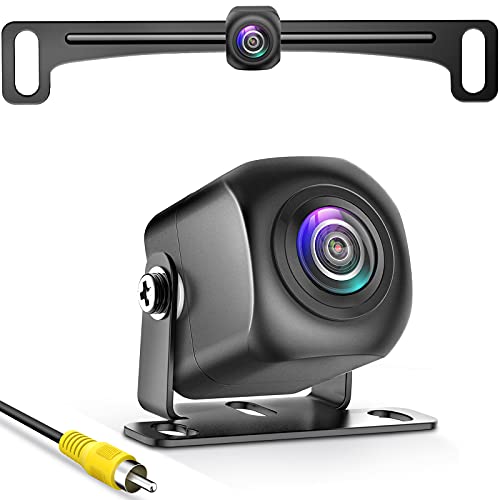
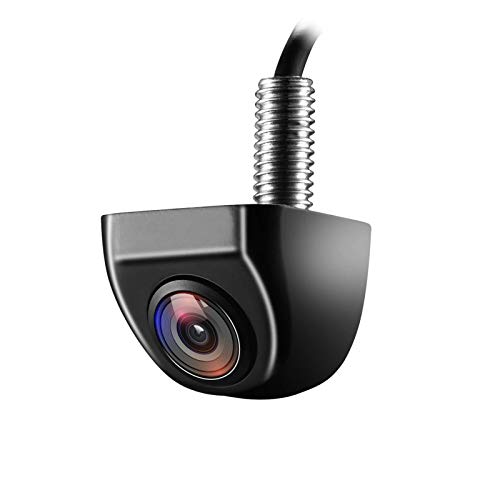
2K Backup Camera Kit, 7 Inch Monitor, Wired Zero-Lag, Night Vision


A short pre purchase rehearsal
Before committing, sit in the vehicle and mime the reversing routine while a helper stands at various points behind, calling out when they leave the mirror view. Note the distances involved on the actual driveway used daily. That simple rehearsal quantifies the blind zone for this specific vehicle and household, transforming abstract concern into measured need. It also reveals whether a driver naturally looks toward the mirror position or the dashboard centre, informing where the display should live for the least disruptive glance pattern.
Then consider the darkest regular journey, the tightest regular bay, and the longest regular trailer task. A camera and display combination that answers those three scenes will handle nearly everything else the year produces. Preferences formed around rare hypothetical trips often distort the choice, while the weekly reality of school gates, supermarket rows, and a sloping home driveway quietly defines satisfaction. Buy for the life already being lived, and the equipment will feel right every ordinary day.
One last consideration involves resale and the next owner. A tidy installation with documented wiring and a working demonstration during a sale viewing signals a cared for vehicle, while dangling leads and a dead screen raise questions about other hidden shortcuts. Keeping the instruction booklet, any interface receipts, and a note about which fuse protects the circuit inside the vehicle file takes minutes and smooths that future conversation. If the system is a removable wireless design, deciding whether it stays with the vehicle or moves to the next one can happen calmly at leisure rather than during a hurried handover. Either way, clarity about what remains fitted avoids disputes. Thoughtful records, like careful driving, rarely attract attention, yet they quietly protect everyone involved in the transaction and preserve the value of the work already done.
Ultimately, the right rear camera for a tall family vehicle is the one its drivers trust on a wet Tuesday night, glance at without thinking, and maintain without resentment, because it was chosen for their driveway, their trailer, and their habits rather than for a catalogue photograph.


