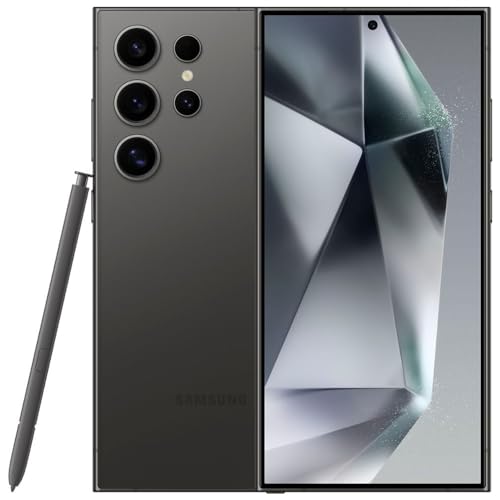
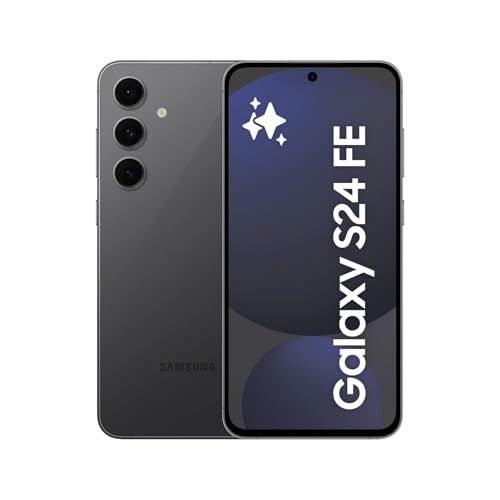
Our Top Picks
 Samsung Galaxy A16 4G LTE 128GB+4GB SM-A165F/DS Factory3.07 x 0.31 x 6.47 inches0.4 poundsCheck on Amazon


What's inside
- Start with the chipset, but judge it by endurance rather than applause
- Displays: the part you will judge ten thousand times
- Camera expectations, set honestly
- Battery life and charging: plan for the second year, not the first week
- 5G bands and the unglamorous network details
- Software and updates: the promise you live inside
- The familiar families, and what each one is really selling
- Matching the phone to the person, honestly
- Mistakes that keep repeating in this segment
- Trade-offs you should choose deliberately rather than discover
- A checklist to run before you finally pay
- Ownership habits that stretch value across years
- Questions buyers in this bracket ask most often
- Buying online versus in a neighbourhood shop
- Check prices on Amazon
- Bringing the decision down to one name
As an Amazon Associate I earn from qualifying purchases. This post may contain affiliate links at no extra cost to you.
Spending up to the 25,000-rupee line in India puts you in the most contested corner of the phone market, and that competition is genuinely good news. Brands fight hardest here because buyers here compare carefully, read reviews, and keep devices for years rather than swapping them every season. The reward is a class of handsets with bright high-refresh displays, capable processors, dependable main cameras and batteries built for long days away from a socket. The catch is that no single model gathers every virtue at once, so choosing well means deciding which strengths match your routine and which compromises you can live with calmly.
Think about an ordinary week rather than a launch-day specification sheet. You might start mornings with train timings and payment codes, sit through classes or meetings with notes open, photograph friends at lunch, navigate across town after dark, and finish with an episode streamed over patchy hostel or apartment wifi. A phone that feels brilliant for ten minutes in a shop can still irritate you daily if its screen washes out in sunlight, its software nags you with clutter, or its battery fades before the journey home ends. This guide therefore judges the segment by lived experience over months, not by whichever headline number looks largest in an advertisement.
We also keep the budget as a boundary, not a promise about any individual sticker. Offers move during festivals, bank promotions come and go, and storage variants shuffle positions constantly. What stays stable is the character of this shelf: comfortably inside this budget you should expect a proper 5G modem, an AMOLED panel in most cases, at least a competent stereo or loud mono speaker setup on some rivals, fast wired charging, and a main camera with optical stabilisation on the stronger contenders. If a model below the 25,000-rupee line asks you to surrender several of those basics simultaneously, walk away, because neighbouring rivals almost certainly surrender fewer.
Students, first-job professionals, parents upgrading from ageing 4G handsets, and anyone replacing a cracked workhorse will all find suitable options here, yet their priorities diverge sharply. A competitive gamer cares about sustained frame rates and touch response in a way a photography enthusiast simply does not, while a field worker who spends days outdoors values brightness, ruggedness and standby efficiency above camera artistry. Keep your own heaviest habits in view while reading, and treat every recommendation that follows as a starting point for verification rather than a command. Readers widening their search can also browse best affordable smartphones for a broader view of value across neighbouring shelves.
Start with the chipset, but judge it by endurance rather than applause
Processor names in this tier change quickly, and the alphabet soup of Dimensity, Snapdragon and Exynos badges can mislead anyone who ranks chips purely by launch order. What matters practically is sustained behaviour: how the phone feels after twenty minutes of navigation with music playing, whether games hold their frame rate once the body warms up, and how gracefully the device handles photo processing on a hot afternoon. Short benchmark bursts flatter nearly every modern mid-range chip, whereas throttling under heat separates thoughtful designs from paper champions within a single auto-rickshaw ride across the city in May.
For everyday messaging, browsing, documents, banking and social applications, virtually every current contender in this bracket offers more speed than the software demands. Differences emerge when you edit video for a college society page, export large batches of photographs, or play demanding titles at higher settings for long sessions. Gamers should favour models known for effective cooling and stable performance modes, while lighter users gain more from putting the same money toward storage, display quality or a longer software runway. Chasing the fastest silicon while ignoring those quieter benefits is the most common misallocation of money in this entire segment.
Memory configuration shapes that experience more than marketing admits. Generous RAM keeps applications alive between switches, so your maps stay loaded while you answer a message and your lecture recording survives a quick photograph. Virtual memory features advertised on boxes are not equivalent to physical memory, because they borrow slower storage and mainly help background retention at the margins. Storage speed matters too, since faster storage standards make installations, gallery scrolling and large file transfers feel noticeably snappier. When two variants sit close together, the roomier and faster-configured option usually ages more gracefully than a small saving kept in your pocket today.
Heat deserves its own paragraph because Indian conditions test phones cruelly. A handset used for navigation on a scooter dashboard, hotspot sharing in a warm room, or charging while gaming will reveal thermal weaknesses that temperate reviews never encounter. Look for graphite or vapour cooling mentions, certainly, but also pay attention to whether performance modes let you choose balance over maximum output. A slightly restrained chip that stays cool protects battery health, keeps the screen from dimming mid-journey, and avoids the sudden frame drops that ruin a match far more than a modest average frame rate ever could.
Displays: the part you will judge ten thousand times
Most strong contenders here now ship with AMOLED technology, delivering deep blacks, lively colour and meaningful battery savings when dark themes are used. Refresh rates above the old standard make scrolling through timetables, feeds and long documents feel fluid, although the benefit fades if the processor cannot sustain animations or the software forces lower rates in your favourite applications. Touch sampling matters for gamers, brightness matters for everyone, and protection glass matters the first time the phone slides off a lecture-hall desk onto concrete.
Peak brightness figures quoted in launches describe tiny portions of the screen under ideal laboratory triggers, not a whole display readable at noon outside a railway station. Treat those numbers as rough signposts and value independent impressions about outdoor legibility instead. A panel that remains clear for maps, payment codes and camera framing in harsh glare prevents the daily squinting frustration that owners remember long after they forget benchmark scores. Automatic brightness behaviour also counts, since a sensor that hunts up and down during a commute becomes its own special irritation by the second week.
Colour tuning separates pleasant screens from merely vivid ones. Some brands push saturation until skin tones look sunburnt and festival photographs turn fluorescent, while better implementations offer a natural profile alongside the punchy default. If you edit photographs for social posting or sell products through a small online shop, that calmer mode protects you from unpleasant surprises on other screens. Eye-comfort certifications, dimming methods that reduce flicker at low brightness, and effective night modes all help during late reading sessions in shared rooms where a glaring display disturbs everyone nearby.
Size is a personal negotiation between immersion and pockets. Large panels flatter films, split-screen study and accessibility needs, yet they punish one-handed use on crowded buses where your other hand grips a rail. Curved edges look premium and feel slim, though they invite accidental touches and make tempered glass fitting awkward, whereas flat panels accept protectors cheaply and survive drops with fewer complications. Neither geometry wins universally. Hold a similar-sized device in a store if you can, type a paragraph, reach the far corner, and only then decide whether cinematic flair outweighs plain practicality for your hands.
Camera expectations, set honestly
Photography marketing in this bracket leans heavily on megapixel counts, but sensor size, lens quality, stabilisation and processing discipline influence results far more. A well-tuned main camera with optical stabilisation will rescue evening gatherings, dim restaurants and shaky bus-window shots in ways a huge pixel count on a tiny sensor cannot. Judge sample galleries by skin tones, foliage detail and highlight handling rather than by one spectacular sunset chosen by a launch team to flatter the hardware beyond recognition.
Secondary cameras vary wildly in usefulness. Ultrawide lenses earn their place for group photographs in small rooms, architecture during trips and hostel rooms where stepping back is impossible, yet many implementations soften corners and struggle after sunset. Macro cameras on budget spec sheets are frequently decorative, producing results your main camera could beat by cropping. Depth sensors add little that software cannot already estimate. A short lens list executed competently beats a crowded camera island filled with weak contributors, so resist counting bumps on the back as evidence of photographic ambition.
Video deserves attention if you record classes, family events, product clips or travel diaries. Stabilisation quality, microphone clarity in wind, focus hunting during subject movement and heat during longer recordings all shape whether footage is usable. Front cameras matter for video calls under poor hostel lighting as much as for selfies, and beautification defaults that erase facial detail can be switched off on better software. Test any shortlisted phone in a shop by filming while walking a few steps, then play it back with sound up before trusting polished promotional reels.
Low-light performance is where this tier most clearly bows to expensive flagships, and accepting that saves disappointment. Night modes improve matters by stacking exposures, but moving children, pets and dancers still blur, and bright signs can bloom against dark skies. You can help any of these phones enormously by bracing against a wall, tapping exposure down slightly, and cleaning the lens, which in Indian conditions collects dust and pocket lint relentlessly. Technique narrows the gap between models more than another megapixel headline ever will, especially for the static scenes most people actually photograph after dark.
Battery life and charging: plan for the second year, not the first week
Capacity figures in this segment cluster closely, so efficiency decides real endurance. Display settings, 5G signal strength, background application behaviour and processor tuning can swing a day dramatically between two phones carrying similar cells. A handset that ends a heavy day with a comfortable reserve will also age better, because its battery cycles stay shallower and chemical wear accumulates more slowly. That reserve is the difference between a device that still feels dependable in its third year and one that begins begging for a power bank by lunch.
Charging speed involves a trade-off that brochures rarely discuss. Very fast charging rescues forgotten mornings brilliantly, turning a quick shower and breakfast into enough energy for hours, yet repeated high-heat charging can accelerate wear if the phone lacks careful thermal management. Slower, cooler charging overnight is gentler, and many models now include battery-care limits or scheduled charging features worth actually enabling. Whichever phone you choose, avoid leaving it baking under a pillow or charging inside a closed bag, because trapped heat quietly taxes every lithium cell regardless of brand promises.
Charger inclusion has become inconsistent across the industry, so check the box contents for the exact variant sold in India before assuming a brick awaits you. A phone that supports rapid charging but ships without a compatible adapter transfers a hidden cost to your first week of ownership. Cable quality matters as well, since proprietary fast systems often need the supplied cable to reach their advertised pace. If you share chargers among family devices, a widely compatible standard may serve your household better than a record-breaking proprietary sprint that only works with one special brick.
Standby drain reveals software discipline more honestly than screen-on marathons. Phones that sip power overnight on weak signal, manage push notifications sensibly and resist waking for every trivial alert will feel larger-batteried than rivals with bigger cells and sloppier systems. During your return window, charge fully before bed, note the morning percentage across several nights, and investigate any application consuming absurd background energy. That simple experiment, done early, catches problems while exchanging the unit remains painless rather than after months of assuming the behaviour is normal for everyone.
5G bands and the unglamorous network details
India’s 5G rollout leans heavily on mid-band spectrum for city capacity, with low-band coverage extending reach into smaller towns, highways and deep indoor spaces. A phone supporting a broad set of relevant bands travels better between circles and ages more safely as operators refarm spectrum. Carrier aggregation support, voice over 5G readiness where networks offer it, and the ability to keep two SIMs behaving sensibly all influence daily reliability. Anyone comparing unlocked flexibility alongside these points may find best 4g and 5g unlocked phones a useful companion read.
Dual-SIM behaviour sounds dull until it fails you. Many buyers keep a family number alive beside a data-focused personal line, and phones differ in whether both slots can camp on 5G, how quickly they switch data lines, and what happens to a download when a call lands on the standby number. eSIM remains uncommon at this level, so a physical tray is worth confirming if you swap numbers for internships, seasonal work or travel between states. Losing a needed tray format after purchase is an entirely avoidable heartbreak.
Wifi performance in crowded environments separates polished radios from merely adequate ones. Hostel corridors, coaching centres, offices and apartment blocks saturate the airwaves, and a phone that holds a stable connection at the far end of a corridor saves endless small annoyances. Wifi calling rescues conversations in interior rooms where mobile signal fades behind concrete, while Bluetooth stability matters for the earbuds most commuters now depend on. These radios rarely headline launch events, yet they mediate almost every hour you spend connected to anything at all.
Do not overlook call quality itself. Earpiece clarity in traffic noise, microphone suppression of wind during auto rides, and handover behaviour on moving trains define whether a phone succeeds at its oldest job. If your work involves frequent calls from noisy sites, markets or stations, prioritise models with reputations for clean voice handling over rivals boasting exotic extras. A handset that photographs beautifully but makes your voice vanish in a breeze has misunderstood the assignment of being a phone in the first place.
Software and updates: the promise you live inside
Interface taste divides buyers sharply in this tier. Some skins arrive loaded with themes, gestures, sidebars and extra applications, delighting tinkerers while overwhelming anyone who wants quiet competence. Near-stock builds feel calmer and often age with less clutter, though they may omit clever conveniences that richer skins pioneered. Neither philosophy is automatically superior, but you should inspect screenshots, watch walkthroughs and, ideally, spend minutes with a display unit before committing years to an interface personality that grates on you.
Update policy, by contrast, is not a matter of taste at all. Security patches protect banking, payments and identity applications that increasingly refuse to operate on neglected systems, while major version upgrades extend feature life and application compatibility. Brands differ considerably in how many years of support they pledge at this level and how promptly they deliver in practice. Read the exact commitment for the specific model rather than assuming a flagship policy trickles down, and keep a screenshot of that promise with your invoice for future reference.
Preinstalled applications deserve a hard look during setup. Some can be uninstalled cleanly, others merely disabled, and a few skins serve promotional notifications that erode trust in the whole device. Spending twenty minutes on the first evening removing clutter, revoking unnecessary permissions and silencing marketing channels transforms the ownership experience. It is also the right moment to enable backups, set up device-finding services, review which applications may run in the background, and confirm that your payment and authentication tools migrated correctly before the old phone gets wiped or handed down.
Accessibility and language support matter to many households sharing buying advice across generations. System-wide font scaling, one-handed modes, call recording availability where legally offered, regional language keyboards and readable default layouts can decide whether a parent actually enjoys an upgrade. If you are buying for someone else, involve them in these choices early. The technically strongest phone in this guide becomes the wrong purchase the moment its interface confuses the person expected to rely on it every day for calls, photographs and payments.
The familiar families, and what each one is really selling
Samsung Galaxy A and M series: steadiness with a service network
Samsung splits its effort between the A series, which emphasises design polish, displays and longer support, and the M series, which traditionally chases battery size and online value. Living with either line tends to feel reassuring: the software is feature-rich, the service footprint across Indian cities and towns is deep, and accessories are effortless to find in any market. Trade-offs usually appear as charging that trails the fastest Chinese rivals and processors chosen for efficiency rather than gaming glory, compromises that patient owners forgive easily.
Where Samsung earns particular loyalty in this bracket is predictability across years. The interface behaves consistently between generations, transfer tools move data from an older Galaxy painlessly, and update commitments at the stronger end of the segment reduce anxiety about longevity. Camera processing favours pleasing colour and dependable exposure over experimental sharpness, suiting family photography and documents alike. If your household already owns Samsung televisions, tablets or older phones, that familiarity compounds into a genuine practical advantage rather than mere brand habit.
Yet the line demands careful variant selection. Storage tiers, display types and update pledges can differ between closely named siblings, and a letter or number change may signal a meaningfully different device. Confirm the panel technology and the exact support window for the model in your cart, not for its cousin reviewed elsewhere. Buyers who do that homework typically end up with the segment’s calmest ownership experience, trading headline excitement for a phone that simply keeps its promises through successive academic years and job changes alike.
Redmi Note series: specification generosity with homework attached
The Redmi Note name built its reputation by delivering startling hardware generosity, and current generations continue offering bright panels, capable main cameras and rapid charging that embarrasses pricier rivals. For readers, streamers and social photographers, that formula remains seductive because the screen and camera are precisely where daily pleasure concentrates. Notes also tend to include crowd-pleasing extras that other brands quietly dropped, which keeps long-time fans loyal despite growing competition from every direction in this crowded bracket.
The homework lies in software temperament and model sprawl. The interface carries abundant features alongside preinstalled applications that need an evening of tidying, and advertisements or recommendations may surface in system corners unless settings are adjusted deliberately. Line-ups can confuse, with Pro, base and regional variants overlapping in confusing ways across sale seasons. None of this disqualifies the family; it simply rewards buyers who enjoy configuring a device and who verify the precise variant, band list and update commitment before paying, rather than trusting a familiar badge blindly.
Handled that way, a Redmi Note suits tinkerers and media lovers beautifully. Customisation runs deep, community knowledge is enormous, and solutions to almost any quirk are a search away because so many owners share the platform. Battery behaviour improves markedly once background permissions are disciplined, and the cameras reward patient daylight shooting with detailed, shareable results. Choose this family when you value hardware richness and do not mind spending setup time shaping the software into the calmer shape you actually want to inhabit daily.
iQOO: performance credibility for players who count frames
iQOO built its following by treating gaming performance as a first-class citizen rather than a marketing garnish, and that focus shows in cooling choices, touch response and performance tuning across its mid-range offerings. Players who spend serious hours in competitive titles will feel the difference in sustained sessions, where lesser rivals dim screens and shed frames as heat builds. The brand also tends to specify its hardware transparently, which helps informed buyers compare without decoding layers of lifestyle language first.
Outside games, these phones remain brisk all-rounders with bright displays and capable main cameras that handle daylight and indoor gatherings competently. The compromises usually sit in secondary lenses, software polish quirks and update windows that may trail the segment’s leaders, so photographers and longevity obsessives should weigh priorities honestly. Design language leans youthful and assertive, which delights its audience while occasionally feeling loud in formal workplaces. A discreet case solves that in seconds, leaving the performance substance untouched underneath.
For a student whose social life revolves around squad matches, or a young professional unwinding with demanding titles on commutes, iQOO’s priorities align naturally. Just remember that gaming appetites grow heavier with each title generation, so favour the strongest cooling and memory configuration available within the ceiling rather than stretching for cosmetic storage alone. Readers weighing memory specifically can compare thinking in best 8gb ram smartphones before finalising which configuration deserves their money most.
Poco: speed and style pitched at the impatient
Poco occupies a similar performance neighbourhood to iQOO but speaks with a cheekier accent, often pairing strong processors with striking designs and aggressive feature lists aimed at younger buyers. Slim bodies, eye-catching finishes and fluid displays recur across the range, making its phones feel exciting in hand from the first minute. For anyone upgrading from a sluggish older device, that immediacy is persuasive, because every swipe and launch advertises the improvement without needing a benchmark chart to explain it.
The familiar cautions apply around software clutter and camera consistency. Main cameras usually perform enjoyably in good light, while supporting lenses can feel like spec-sheet decoration, and the interface benefits from a deliberate first-evening cleanup. Update support has improved across the wider family over time, but you should still verify the pledge attached to the exact model rather than extrapolating from a sibling. Poco rewards the same informed, hands-on buyer that Redmi does, with a slightly stronger tilt toward pace and personality.
Where Poco shines brightest is for buyers who want their phone to feel fast and look distinctive without crossing into flagship money. Commuters who game, scroll and stream in roughly equal measure often land here happily. Protect that slim body properly, though, because slender designs and large camera islands wobble on desks and invite scratches when carried loose with keys. A case and lens care are not optional accessories for this family; they are part of the purchase price in any honest accounting.
Motorola Edge and G series: calm software, thoughtful hardware
Motorola’s Edge line brings curved or high-quality flat displays, clean software and a design elegance that feels borrowed from more expensive shelves, while the G series covers sensible, sturdy ground below it. The near-stock interface is the headline virtue: minimal duplicate applications, gestures that genuinely help, and a visual calm that suits buyers tired of phones shouting for attention. For parents and professionals alike, that restraint can be worth more than any single hardware flourish.
Performance tuning favours stability and cool operation over leaderboard drama, which everyday users experience as consistency rather than limitation. Cameras on the stronger models include stabilised main sensors that produce honest, natural-looking photographs, though processing can lag rivals in tricky mixed lighting. Update delivery has strengthened yet still deserves model-specific verification, and the service network, while present in major centres, may require more travel in smaller towns than the biggest brands demand of their owners.
Choose Motorola when interface peace ranks high on your list and you are willing to trade a little raw pace for it. The phones suit readers, callers, organisers and anyone whose device is a tool rather than a hobby. They also make excellent gifts for relatives who value clarity over customisation mazes. Spend your savings-minded energy instead on the roomier storage tier, because clean software plus generous space is a combination that stays pleasant long after unboxing novelty evaporates completely.
Realme: camera flair and charging pace for creators
Realme courts younger creators with camera-forward designs, rapid charging and feature-packed software that encourages experimentation. Main sensors on its stronger mid-rangers deliver lively photographs suited to social sharing with minimal editing, and portrait processing flatters subjects in ways its audience actively enjoys. Charging speed is a genuine lifestyle feature here: a short top-up before leaving for an event can rescue an evening, which matters to people whose plans form spontaneously through group chats rather than calendars.
The trade-offs mirror the segment’s usual pattern in a different arrangement. Secondary cameras may not match the headline sensor’s quality, software includes extras that need pruning, and long-term update pledges should be confirmed per model rather than assumed from launch enthusiasm. Build designs rotate boldly between generations, so case availability for a specific variant is worth checking before purchase rather than after. None of these caveats dim the appeal for the right buyer; they merely define who that buyer is.
If your camera roll fills faster than your game library, Realme’s priorities will feel aligned with your life. The phones handle reels, stories, campus events and family functions energetically, and their displays flatter the results. Pair the purchase with a cloud backup routine from day one, because creators accumulate irreplaceable media quickly, and no charging speed compensates for losing a year of photographs to a stolen or drowned handset during a monsoon commute.
Matching the phone to the person, honestly
Consider the commuter gamer first, because their needs are the most mechanically demanding in this bracket. They require sustained processor output, responsive touch, stereo sound that survives train noise through earbuds, and battery enough for play plus the journey’s navigation and payments. For them, the performance families described above deserve first attention, ideally with the stronger cooling configuration, and camera compromises are an acceptable tax. They should also budget for a sturdy case with grip, since competitive sessions and crowded platforms are a hostile combination for glass.
Now picture the documentation-heavy student: lecture recordings, scanned notes, reference PDFs, group-project photographs and endless video calls home. Storage headroom, microphone clarity, display comfort for long reading and dependable updates outrank gaming muscle entirely for this person. A calm interface that organises files sensibly and a camera that renders whiteboards legibly will serve them better than any performance mode. Their wisest upgrade is the larger storage tier, bought once, instead of a year of anxious deletions before every examination season arrives.
The creator cousin lives differently again, shooting constantly, editing on the device and posting from wherever the day ends. Stabilised video, a trustworthy main camera, fast charging between outings and a bright screen for reviewing footage outdoors form their core quartet. They should test front-camera video under indoor light before buying, because that lens carries their face to followers and family alike. They also need a backup habit more than any other archetype, since their phone holds work, not just memories, and loss would sting professionally as well as personally.
Finally, think of the buyer purchasing for a parent or as a household’s shared second phone. Legibility, call clarity, service access, simple software and battery that forgives irregular charging matter overwhelmingly more than refresh rates. Set the device up for them completely: contacts transferred, payment tools verified, font enlarged, emergency information entered, and a case fitted before handover. The best phone for this person is the one they can operate confidently alone at midnight, and that standard eliminates several otherwise impressive contenders without any regret whatsoever.
Mistakes that keep repeating in this segment
The first recurring error is buying by megapixels and gigahertz alone, as if two numbers could summarise a device you will touch hundreds of times daily. Buyers seduced by a huge camera count sometimes discover a dim display, neglected software and a battery that wilts, while a rival with humbler headlines would have pleased them for years. Numbers are starting points for questions, never answers by themselves. Whenever a specification looks dramatically better than everything nearby at similar money, ask which invisible corner was cut to pay for the spectacle.
Second comes ignoring the update window until it closes. A phone purchased cheaply but abandoned quickly by its maker is not a bargain; it is a short rental ending in security anxiety and incompatible applications. This mistake hides because the device feels identical on day one regardless of its software future. The bill arrives in year two, when a banking application demands a newer patch level or a workplace tool refuses the old system. Checking the pledge takes three minutes online and protects thirty-six months of ownership, which is the best exchange rate in this entire guide.
A third error involves storage optimism. Buyers assume cloud uploads and messaging clean-ups will keep a modest tier comfortable, then meet offline maps, recorded lectures, application caches and a camera roll that grows like monsoon grass. When the phone fills, everything slows emotionally even if the processor remains fast, because every photograph demands a deletion decision first. If your previous handset ended its life nearly full, believe that evidence about yourself. Habits rarely shrink, so buy space for the person you demonstrably are, not the minimalist you occasionally aspire to become.
Fourth, many shoppers forget the ecosystem of small costs surrounding the handset. A compatible fast charger if none is included, a case that actually protects corners, a screen guard fitted without bubbles, perhaps earbuds if the old pair relied on a vanished jack: these add up and belong in the budget conversation from the start. None of this argues for overspending on accessories at the till, where margins are cruel. It argues for planning, buying protection promptly from wherever value is fair, and never leaving a new glass slab naked for its riskiest first week.
Fifth, people skip checking band support and service reach because both feel abstract beside a glowing display in a shop. Then a hometown trip reveals patchy indoor coverage, or a cracked screen requires a long journey to an authorised centre while a rival brand repairs locally within days. Abstractions become concrete at the worst moments. Five minutes verifying bands against your operator and locating the nearest service option converts those potential crises into non-events, and it costs nothing except the discipline to do it before excitement carries you to checkout.
One more mistake deserves naming: trusting launch-week impressions as the whole story. Early reviews capture fresh devices on early software, while the truth about battery ageing, update cadence and durability emerges across seasons. Balance fresh coverage with longer-term reports on the previous generation from the same family, which reveal how a brand treats owners once the launch confetti settles. Patterns of behaviour repeat across generations far more reliably than any single specification does, and wise buyers purchase the pattern as much as the product itself.
Trade-offs you should choose deliberately rather than discover
Every model here balances weight against endurance. Big batteries comfort travellers and field workers, yet they thicken bodies and tire wrists during long reading or gaming sessions, especially for smaller hands. Slim phones feel delightful initially and vanish into pockets gracefully, but their cells demand more frequent charging discipline. Neither direction is a flaw in isolation; it becomes one only when mismatched to your routine. If your days keep you near sockets, slimness is a legitimate luxury, whereas a two-day reserve is non-negotiable insurance for anyone regularly beyond charging reach.
Glass, plastic and metal-look frames present a similar negotiation. Premium-feeling materials photograph beautifully and impress during unboxing, while textured polycarbonate often grips better, hides wear and survives drops with less drama. Since most owners case their phones immediately, the material beneath matters less than frame rigidity and button quality. Judge construction by flex, port alignment and how the device feels after a case is fitted, because that clothed reality, not the naked showroom sculpture, is what your hands will actually know for years.
Speaker arrangements quietly shape media enjoyment. Stereo pairs separate voices and game cues more convincingly, particularly in landscape video, while a strong single speaker can still serve calls and casual clips perfectly well. Headphone jack availability has faded across much of this tier, shifting listening toward wireless earbuds with their own charging and latency considerations. Gamers sensitive to audio delay should verify Bluetooth codec support and test their own earbuds where possible. Small checks like these prevent the peculiar disappointment of a phone that excels everywhere except the one habit you practise nightly.
Water and dust resistance ratings appear inconsistently here, and their absence should change behaviour rather than trigger panic. A phone without a formal rating may survive splashes happily yet carries no promise, so monsoon commutes demand a dry pocket, a zip pouch in the bag and restraint around pools. Conversely, a rating is not a licence for underwater photography, since seals age and warranties rarely cover liquid damage anyway. Treat resistance as insurance against accidents, never as an invitation, and dry any soaked device thoroughly before even thinking about plugging in a charger.
A checklist to run before you finally pay
Begin with identity and paperwork, because errors here outlive every specification debate. Confirm the exact model name, storage configuration and colour on the invoice, verify the IMEI against the box and the device settings, and keep the bill somewhere safer than the shopping bag it arrived in. Photograph the invoice and store the image with your backups. Warranty claims, insurance and resale all lean on this unglamorous paper trail, and reconstructing it months later from memory is a miserable errand that five careful minutes today completely prevents.
Next, interrogate the software promise while a salesperson or product page can still answer you. How many major upgrades and how long a patch window does this specific variant carry, and when did the commitment clock start: at global launch or at your purchase? Then check the in-box contents against the official listing for the Indian variant, including charger and cable, so surprises surface before money moves. Finally, confirm return and replacement terms in writing, especially for online orders, because policies differ between platforms in ways that matter enormously if a defect appears on day three.
Inspect the hardware methodically during the first hours at home. Examine the display on plain white, grey and black screens for tint patches or dead spots, photograph something detailed with every rear lens and the front camera, record a short video while walking, and make a real call in a noisy spot. Test both SIM slots if you use them, connect to wifi and Bluetooth accessories, charge from the supplied equipment, and confirm the fingerprint reader and face unlock behave consistently. Finding a flaw inside the replacement window is a nuisance; finding it afterwards becomes a repair saga.
Round out the checks with fit-for-life questions. Does your banking and payments setup activate cleanly, do your essential accessories pair without drama, and does the phone sit comfortably in the pockets, bags and vehicle mounts you actually use? Migrate data before wiping anything, keep the old device intact for a few days as insurance, and only then perform resets and handovers. Our wider orientation in best 5g capable phones can help if this final comparison leaves you torn between the modem-focused finalists on your shortlist.
Ownership habits that stretch value across years
Treat the first weekend as commissioning, not just unboxing. Install updates while connected to reliable wifi and power, then restart and let the system settle before judging battery life, because indexing and application optimisation distort the earliest days. Review permissions application by application, particularly location, microphone and notification access, and disable promotional channels inside system tools. Set up automatic cloud backups for photographs and messages, confirm they actually run overnight, and record your IMEI and purchase details somewhere separate from the device itself for emergencies.
Battery kindness is mostly temperature kindness repeated daily. Avoid gaming while fast charging in a warm room, remove thick cases during long charging sessions if the phone grows hot, and prefer partial top-ups over habitual deep drains when your schedule allows. Battery-care limits that cap overnight charging are worth enabling during ordinary weeks and disabling before travel days when you need every drop. These small disciplines, none of them heroic, are how owners arrive at year three with a cell that still behaves like a trusted companion instead of a countdown timer.
Storage hygiene prevents the slow clutter spiral that makes ageing phones feel older than their processors are. Every few months, review downloaded files, duplicate photographs, forgotten screen recordings and applications untouched since installation, then clear what no longer earns its space. Keep a sensible reserve free so updates install smoothly and the camera never refuses a moment for lack of room. Archive precious media to a second location before deleting locally, because tidiness achieved by losing irreplaceable photographs is not tidiness at all, merely tidier regret.
Physical care is equally unglamorous and equally decisive. A case with raised edges and a decent screen protector cost little compared with a display replacement, and they preserve resale or hand-me-down value for a future family member. Clean ports gently, keep the phone out of bathroom steam where possible, and address a swelling battery or a suddenly warping frame immediately at a service centre rather than charging bravely onward. Devices rarely die from one dramatic event; they fade through accumulated neglect that attentive owners simply never allow to compound.
Questions buyers in this bracket ask most often
Is buying a 5G phone worthwhile where coverage near me is still patchy? Generally yes for a multi-year purchase, because networks keep expanding while your handset stays fixed, and the same device falls back to mature 4G service gracefully in the meantime. The modem is future insurance bought once. What you should not do is pay a large premium for 5G branding on a phone that is weak in display, battery or updates, since those qualities shape every day while coverage maps improve on their own schedule regardless of your handset choice.
Should my money favour extra memory or extra storage when I cannot have both? For most households, storage wins, because photographs, videos, documents and offline media cannot be recreated once deleted, whereas a closed application simply reopens. Heavy multitaskers and gamers feel memory limits more keenly and may reasonably choose differently. Look honestly at your current phone: if it is full, buy space; if applications constantly reload while storage sits half empty, buy memory. Your own usage statistics answer this question better than any generic rule a guide can offer you.
How long should a phone at this level realistically serve? Three years of comfortable service is a fair expectation when the update pledge supports it and the battery is treated kindly, with a fourth year plausible for lighter duties or as a hand-me-down. Performance headroom in current mid-range chips exceeds everyday demands comfortably, so software support and cell health, rather than raw speed, set the expiry date. Planning the replacement cycle around that horizon also helps you judge whether stretching for the better-supported model today is cheaper than replacing a neglected bargain earlier.
Does brand choice matter beyond the badge on the back? It matters through service reach, update behaviour and accessory availability rather than prestige. A nearby authorised centre that stocks parts can return your phone in days, while an exotic import may wait weeks for a screen. Ask colleagues, seniors or family in your own city which brands their local technicians actually repair quickly and honestly. That ground-level intelligence, gathered from people whose incentives match yours, routinely outperforms launch presentations designed by teams who will never queue at your service centre.
Are curved screens a problem worth avoiding entirely? Not entirely, because many owners love their feel and appearance and live happily with them for years. The costs are practical rather than catastrophic: protectors fit less easily, edges can catch reflections outdoors, and repairs may cost more if damage occurs. Flat panels are the pragmatic default for butter-fingered owners and tight accessory budgets. Decide by your drop history and your patience, not by fashion cycles, and remember that a good case narrows the risk difference between the two geometries considerably.
When is the smartest moment to buy within this budget? When your chosen model’s specification, support pledge and variant are confirmed and a sale merely improves the terms, rather than when a countdown timer pressures you into an unresearched alternative. Festival periods and new-generation launches often soften outgoing models attractively, yet stock of the exact storage tier you want can vanish quickly. Prepare a first and second choice in advance, know the checks you will run, and let the discount serve your decision instead of replacing it, because urgency is the oldest sales tool in every market on earth.
Buying online versus in a neighbourhood shop
Channel choice changes the experience more than buyers expect. Large online platforms excel at variant availability, exchange offers for an old handset and doorstep convenience, while a trusted neighbourhood retailer offers hands-on time, immediate inspection and a human being to approach if the first unit misbehaves. Neither route is automatically wiser; the right one depends on whether you value tactile certainty or logistical ease more for this particular purchase. Whichever you pick, insist on a sealed unit, a proper invoice in your name and clarity about who handles a defective piece during the opening fortnight.
If you order remotely, film the unboxing in one continuous take, check the seal and identifiers before activating anything, and run the inspection routine described earlier the same evening rather than after a celebratory week. Exchange valuations for an old phone also deserve scepticism until the pickup inspection confirms them, since a revised quote can quietly transform an apparently brilliant deal. In a physical shop, resist pressure to accept a freshly opened display unit as new stock, and confirm that any promised freebies are written on the bill instead of floating as verbal garnish.
Check prices on Amazon
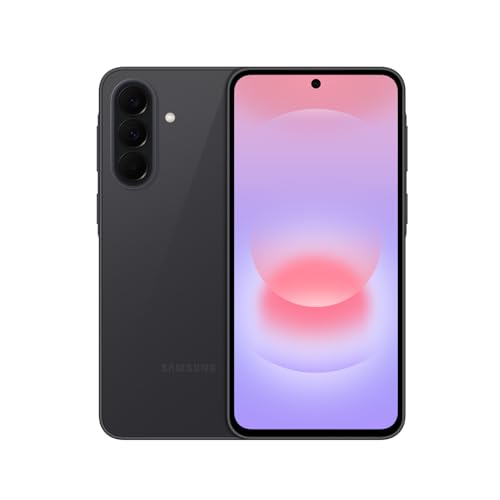
Live listings for the shortlist in this guide are pulled from Amazon below, so prices and availability are always current at the moment you look.



Bringing the decision down to one name
By now the pattern should feel clear: this segment rewards buyers who rank their own habits above launch noise. Gamers should chase cooling and sustained pace, readers and streamers should protect display quality, creators should prioritise the main camera and charging rhythm, and anyone keeping a phone longest should treat the update pledge as a headline feature equal to any processor. Samsung’s lines offer steadiness and service depth, Redmi Note brings hardware generosity for tinkerers, iQOO and Poco chase pace with different personalities, Motorola sells calm, and Realme courts creators, so the shortlist resolves once you know which temperament resembles your own life.
Run the checklist, verify the bands and the box contents, choose the storage tier your history justifies, and then stop researching with a clear conscience. Endless comparison after a sound decision only manufactures doubt, because a rival will always win some category you decided mattered less. Set the phone up carefully, protect it physically and digitally, keep its software current, and let it get on with the unglamorous work of carrying your days. Chosen this way, a handset comfortably inside this budget stops feeling like a compromise and starts feeling like exactly what it should be: a well-judged tool that quietly earns its keep from the first semester to whatever adventure follows it.