Our Top Picks




What's inside
- Four networks, four different versions of 5G Britain
- The spectrum underneath, translated into buying advice
- Unlocked, contract or SIM-only: how Britain actually buys phones
- Why American buying advice misleads British shoppers
- How we assembled this shortlist
- Our chosen 5G phones for British buyers, reviewed one by one
- Coverage homework that takes twenty minutes and saves two years
- Battery, charging and the realities of British weather
- Cameras judged under grey skies rather than California sunshine
- Updates, repairs and resale: the ownership years
- eSIM, Wi-Fi calling and taking a British phone abroad
- Check prices on Amazon
- Final checks before you commit
As an Amazon Associate I earn from qualifying purchases. This post may contain affiliate links at no extra cost to you.
Reader note from Widget Verdict: some retailers and networks linked or mentioned in this guide may pay us a referral fee if you go on to buy. That income keeps our research and writing independent, and it never buys a handset a place in the rankings below or softens anything we say about a weak radio, a dim screen or a short update promise.
Buying a 5G phone in Britain looks simple from the shop window and gets complicated the moment you ask where you actually live. A handset that flies along Oxford Street can feel ordinary in a stone cottage outside Keswick, not because the phone changed but because the network beneath it did. Four national operators run four noticeably different 5G footprints here, and the gaps between them are measured in whole counties rather than city blocks. This guide starts from that reality. Instead of chasing headline download figures recorded outside a flagship store, we match handsets to the networks, streets and routines that British buyers genuinely have.
Our approach throughout is grounded in everyday use. We care about the train carriage where a video call either survives the tunnel approach or collapses into squares, the top floor flat where indoor signal depends on which window the router of your life happens to sit near, and the festival field where fifty thousand people compete for the same sector of the same mast. Spec sheets still matter, and we will walk through the bands and chipsets that decide those moments, yet they sit behind lived experience in every judgement that follows. A phone earns its place here by being dependable in British conditions, week after week.
Every recommendation below is written as plain prose, without affiliate product links and without fixed prices, because British street pricing shifts with seasonal promotions, storage configurations and network offers too quickly for a printed figure to remain truthful. Treat the tiers we describe as positioning rather than promises. What changes slowly, and what this guide leans on, is radio support for United Kingdom spectrum, build quality, battery behaviour on our networks and the length of each maker’s software commitment. Get those four things right and the handset will still feel like a sensible purchase long after the launch offers have been forgotten.
Four networks, four different versions of 5G Britain
EE built its reputation on arriving first and spreading widest, and its 5G layer now reaches a large share of the population, with particularly strong coverage along motorway corridors and through the commuter belts of the South East. Travellers who cross the country for work often find EE the least surprising option, the network most likely to show a 5G indicator in an unfamiliar town centre. That breadth comes with a positioning at the keener end of the market, and its plans tend to bundle extras rather than chase the lowest headline figure, so the value question depends on whether you use what is bundled.
Vodafone occupies a different corner of the map. Its strongest 5G showings concentrate in major cities and large towns, and it has invested heavily in the kind of dense urban capacity that keeps speeds respectable during the evening peak in London, Birmingham and Manchester. Vodafone also leans into roaming arrangements and flexible plan structures that suit people whose work or family life regularly crosses borders. Outside the big population centres its 5G can thin out sooner than EE’s, which is why a postcode check matters more for Vodafone shoppers than for almost anyone else in this guide.
O2 tells yet another story, one shaped by sharing arrangements and by a customer base that values indoor reliability in suburbs and smaller cities. Its 5G rollout has favoured breadth of named locations, and in many commuter towns an O2 signal indoors is steadier than rivals manage, partly because of how its lower frequency holdings propagate through brick and concrete. Speeds at busy times can trail the fastest rival networks in central London speed tests, yet for the school run, the supermarket shop and the evening stream at home, O2 frequently feels calmer than league tables suggest. Judge it by your own streets, not by national averages.
Three built its brand on generous data and an appetite for disrupting cosy pricing, and its 5G home broadband push means some neighbourhoods enjoy startlingly fast Three coverage where a mast was upgraded early. The flip side is variability: performance can swing sharply between adjacent districts, and rural reach remains the thinnest of the four. For buyers in a strong Three area who stream heavily and dislike data anxiety, the network can be a bargain. For buyers who roam the Highlands or the Welsh valleys with a phone as their only connection, it asks for a careful coverage check before commitment.
Floating beneath the big four sits a lively tier of smaller brands running on their infrastructure, and understanding them saves British buyers real money. Names you will meet at checkout piggyback on one of the national networks while setting their own prices and rules, which means the coverage map of the host is the coverage map you get. The differences hide in the details: whether 5G is included at your price point, how roaming is handled, whether Wi-Fi calling works on your handset and how customer service is reached when something breaks. Two plans showing the same network logo can feel quite different by the second month.
The spectrum underneath, translated into buying advice
British 5G rests mainly on a mid-band layer around 3.4 to 3.8 gigahertz, and this is the layer that delivers the experience most people picture when they hear the term: fast downloads, responsive uploads and enough capacity for a crowded platform. Every handset in this guide supports the relevant United Kingdom mid-band allocations, because a phone missing them would be a 5G phone in name only on these shores. When a listing talks about sub-6 support, this is the territory it means, and it is the first line to verify on any imported or grey-market device you are tempted by.
Below that sits low-band 5G, broadcast in slices of spectrum down near 700 megahertz, where signals travel for miles and slip through walls that defeat higher frequencies. Low band rarely wins speed contests, and on a quiet day it can resemble a strong 4G connection, yet it is the layer that keeps a map loading on a rural B-road and a podcast buffered in a basement flat. Phones handle the handover between layers invisibly when their modem software is mature, and clumsily when it is not. Owners describe the clumsy version as a phone that seems to think too long before doing anything on the move.
You may also see millimetre wave mentioned in American reviews, and in Britain you can safely ignore it. United Kingdom regulators have not built consumer mobile service around those very high frequencies, so handsets sold here are not expected to carry the extra antenna hardware, and paying for it buys you nothing on a British network. This is one of several places where importing United States buying advice leads people astray, and we return to the wider pattern shortly. For now, the practical rule is simple: mid-band plus low-band support, from a model variant intended for European markets, is the correct shopping list.
Standalone 5G is the quieter upgrade arriving across British networks, where the phone connects to a 5G core directly rather than leaning on 4G as an anchor. The benefits arrive gradually: slightly snappier response, better behaviour in congested areas as networks tune it, and features like network slicing that operators are beginning to sell for events and priority access. Most recent handsets from major makers handle standalone operation, although the exact readiness varies by network and firmware. If you keep phones for several years, choosing a model whose maker actively certifies it on British networks protects you as this transition continues.
Unlocked, contract or SIM-only: how Britain actually buys phones
The unlocked route has become the default for savvy British buyers, and for good reason. Purchase the handset outright from a retailer or the maker, choose any SIM-only deal that suits your data habits, and the two decisions stay separate forever after. When a better SIM offer appears you move networks without touching the phone, and when the phone eventually tires you replace it without renegotiating a bundle. Retailers frequently discount unlocked handsets during seasonal events, and because every phone sold in this country must now be supplied unlocked, the old fear of being trapped by a carrier-locked device has largely faded into history.
Contracts still suit a particular kind of buyer, and it is unfair to pretend otherwise. Spreading the handset cost across two years inside one monthly payment removes the upfront sting, bundles insurance or entertainment extras for some households, and keeps paperwork to a single direct debit. The discipline is to compare the total paid across the full term against the unlocked handset plus a SIM-only plan, because the gap between those two totals is sometimes small and occasionally startling. Mid-contract price rises have made this arithmetic more important, not less, and any honest comparison must include them rather than the teaser figure in the window.
SIM-only deals are where British mobile value currently lives. Short rolling contracts let you test a network’s real coverage at your home and workplace before committing, which is the single smartest experiment a phone buyer can run. Data allowances at this tier are generous enough that many households overbuy; check your current usage in your existing provider’s app before paying for headroom you will never touch. Shoppers comparing handsets across our wider guides, including readers arriving from best affordable unlocked smartphones, will find the same advice repeated because it keeps saving people money: separate the glass from the airtime whenever you can.
One more British habit deserves a mention, and that is the upgrade pause. Because modern handsets age slowly, plenty of owners now keep a phone for three or four years and change only their SIM arrangement in between. That behaviour rewards buying well once: strong update support, a battery that tolerates years of charging, and radios covering the bands networks are still building. Several picks below were chosen precisely because they suit that rhythm, while a couple of keener-priced options accept a shorter horizon in exchange for gentler demands on your wallet today. Neither philosophy is wrong; mismatching philosophy and purchase is what goes wrong.
Why American buying advice misleads British shoppers
The largest review sites write for the United States first, and their conclusions travel badly. A model praised for its performance on American mid-band spectrum may reach Britain in a variant with different band support, different storage tiers and occasionally a different processor entirely. Carrier exclusives that dominate American rankings may not exist here at all, while makers who barely register across the Atlantic, including several Chinese brands with strong European distribution, sell excellent handsets through British retailers. Reading a glowing American verdict is a fine starting point and a poor finishing point; the variant sold on your high street is the only one that counts.
Charging is a smaller but daily difference. British homes run on three-pin sockets and 230-volt supply, and handsets bought through official United Kingdom channels arrive with the correct expectations even when a plug is no longer included in the box. Imported devices can arrive with unfamiliar pins, region-locked warranty terms and fast-charging standards that need the maker’s own adapter to reach their advertised pace. None of this makes importing reckless in every case, yet the savings must be weighed against a warranty claim that involves posting your only phone overseas. For most readers, official channels with British consumer protections are worth the modest premium they sometimes carry.
Warranty and repair culture differ too. British buyers benefit from strong statutory rights that sit alongside maker warranties, and the big manufacturers run authorised repair networks in most large cities, with postal repair for everyone else. A handset bought here can usually be assessed, quoted and returned within days; an imported one can vanish into a logistics chain for weeks. When we weigh two otherwise equal phones in this guide, the one with the deeper British support footprint quietly gains ground, because a phone is not a purchase you make once but a relationship you maintain for years.
Finally, features themselves shift across the Atlantic. Dual SIM behaviour, eSIM availability, call recording rules and even which wallet and transit integrations work out of the box all vary by region. London travellers will care that their handset handles contactless readers at the barrier without drama, a test American reviews never run. Readers who split life between two numbers should look at our companion coverage at best 2 sim smartphones alongside this guide, since the British dual SIM experience, one physical card plus an eSIM for most people, has its own quirks worth understanding before you buy.
How we assembled this shortlist
Reception behaviour on British spectrum came first in our thinking. We favoured modem platforms with a settled reputation for holding mid-band connections at the edge of a cell, because our networks reward composure more than bravado. A phone that clings to a weakening 5G signal a little longer, and drops gracefully to low band or 4G when it must, feels faster in daily life than a rival with higher peak figures and jumpier manners. Antenna quality never appears in advertising, yet it decides whether a farmhouse kitchen gets a usable signal or an evening of frustration.
Battery life came next, judged against British routines rather than laboratory loops. A full day here means navigation on unfamiliar streets, contactless payments, train tickets in an app, photography in flat grey light that makes screens work harder, and long stretches on 5G while commuting. We looked for generous capacity paired with efficient silicon, plus charging that can meaningfully rescue a tired phone during a short stop. Wireless charging earned credit where offered, because desks, cars and bedside tables across the country have quietly standardised around it.
Software longevity settled the close calls. British buyers keep handsets longer than the industry once assumed, and a phone still receiving security updates in its fourth year is a fundamentally safer object than one abandoned in its second. Update promises therefore weigh heavily below, as do the practicalities that decide how a phone ages: spare parts availability, case and protector ecosystems, and screens that stay bright enough for a July afternoon in Brighton. Cameras matter, of course, but they matter after those foundations, in the order real owners tend to complain about things.
Our chosen 5G phones for British buyers, reviewed one by one
Apple iPhone 17 Pro Max — our premium anchor for households wanting zero fuss
Positioning: premium tier. Households that already live inside Apple’s world will find this the least argumentative upgrade on any British network. Its modem handles the handover between mid-band streets and low-band interiors with a smoothness you notice mostly by never thinking about it, and all four national operators certify and support it from launch, which removes the small frictions that can follow less common handsets. For families sharing photo libraries, locations and subscriptions, that absence of friction is itself a feature worth paying for.
The screen suits British weather in both directions: bright enough to read a map under rare hard sunshine, and capable of dimming low enough for a night train carriage without glaring at your neighbours. Construction feels dense and deliberate, the sort of object that shrugs off being fished from a coat pocket with cold fingers, although its size remains the honest compromise. Many people will operate it two-handed on a windy platform, and anyone with smaller hands should spend ten unhurried minutes with one in a shop before deciding, ideally while wearing the gloves winter actually demands.
Photography is where the phone quietly distances itself from most rivals. The camera system produces dependable results in the mixed, miserable lighting where British life happens: pub interiors, school halls, floodlit five-a-side pitches and grey coastal afternoons. Video remains its clearest advantage, with stabilisation and sound capture that make handheld clips look considered rather than accidental. Keen photographers who enjoy manual controls may still prefer a rival’s interface, but for pointing, shooting and sharing with family group chats, this system misses least often.
Endurance is strong rather than astonishing. A heavy day involving navigation, hotspot duty for a laptop and hours of streaming will test it, yet ordinary days finish with reserve in hand, and both rapid wired charging and magnetic wireless pads make recovery easy. Apple’s update rhythm, delivered to everyone at once and sustained for years, suits the British habit of keeping a handset well beyond its first owner. The trade-offs are size, weight and an ecosystem that gently recruits your watch, earbuds and cloud storage into the same orbit. Buy it if you want the premium option least likely to generate complaints at home.
Samsung Galaxy S25 Ultra — the Android flagship with answers for everything
Positioning: premium tier, Android. Where Apple’s flagship aims for calm, Samsung’s aims for coverage of every conceivable use, and on British networks its radio package is superbly tuned. It holds mid-band connections in fringe suburbs where lesser handsets surrender early, and its antenna behaviour on intercity trains is among the most composed we would recommend at any price. Android loyalists who want one device that does everything loudly and well can stop their search here with a clear conscience.
The bundled stylus earns its keep in recognisably British ways: signing delivery paperwork on a doorstep, annotating a photo of a boiler for the plumber, sketching measurements in a furniture showroom. The display is large, bright and treated to resist reflections, which matters when you are reading departure boards through glass or checking a route in bright station light. Zoom photography is the other headline, turning distant stages at outdoor concerts and far touchlines at school sports days into pictures worth keeping instead of watercolour impressions of where your child probably was.
Performance headroom is generous to the point of excess today, which is really a promise about year four, when heavier software meets an ageing battery and weaker phones begin to feel their age. Samsung’s extended update commitment protects that horizon, and its software, busier than Google’s, offers unusually deep control over radios, battery behaviour and split-screen working for people who genuinely use such things. Battery life is very good, charging is swift, and wireless pads are supported for the desk and dashboard routine.
The sacrifices are physical. This is a tall, squared, unapologetically substantial phone whose corners announce themselves through a jacket pocket, and one-handed use on a crowded bus requires commitment. Choose it over the iPhone if your digital life already lives in Google and Microsoft services, if the stylus or the zoom solves a real problem for you, or if your home sits near the edge of a mid-band cell where its reception manners pay rent daily. Pass it by if you want a phone that disappears into your day rather than organising it.
Google Pixel 10 Pro — the clever camera for people who hate phone admin
Positioning: upper mid-range to premium, sliding with the season’s promotions. Google’s pitch has always been intelligence over theatre, and this is its most persuasive edition yet. British network support is complete for the bands that matter, and the calling features alone justify a test drive for anyone whose day involves unknown numbers: filtering that quietly strangles the scam-call plague, transcription that turns rambling voicemail into readable text, and screening that handles cold callers with more patience than most of us can summon by the fourth interruption before lunch.
Its camera philosophy differs from Samsung’s in a way British light rewards. Rather than offering a lens for every distance, the Pixel leans on computation to produce stills with honest colour and graceful handling of mixed illumination, the sodium-and-daylight muddle of a high street at dusk. Faces look like faces instead of waxworks, and night scenes keep their mood instead of being bleached into false noon. Video has improved to genuinely good, although the iPhone remains the safer bet for people who film constantly and care about the last degree of polish.
Everyday speed is fluid, with one candid caveat: Google tunes its silicon for efficiency and cleverness rather than brute gaming force, so the heaviest titles played for hours will heat the casing and empty the tank sooner than a Galaxy manages. Feed it the everyday mixture of messages, maps, photographs and browsing that fills most people’s hours, though, and you will never meet that compromise. Endurance lands comfortably in the middle ground of this list: most owners reach bedtime unplugged, heavy users will want a short evening refill, and the tidy software arrives free of the doubled-up applications some rivals insist on installing.
Pick it when photography, peaceful software and intelligent call handling matter more than winning specification arguments, particularly when you are the person relatives ring for technical help, since talking someone through a Pixel from your sofa is painless. Hesitate when marathon gaming fills your evenings, when your home sits in a coverage fringe where Samsung’s antenna work holds a modest genuine lead, or when squeezing the longest imaginable lifespan from hardware outranks how the phone feels daily. British pricing for Pixels moves restlessly through the year, and patient buyers who watch for promotional windows routinely do far better than launch-day shoppers.
Samsung Galaxy S25 — the flagship size most pockets actually want
Positioning: premium tier, deliberately beneath the showpiece models. Each manufacturer’s catalogue hides a level-headed heart, and Samsung’s smaller flagship fills that role in Britain this season. It delivers the essentials people actually feel, complete support for our 5G bands, a bright and fluid display, wireless charging, water resistance and years of updates, inside a body that fits ordinary hands, ordinary jeans and the inside pocket of an ordinary coat. For a great many readers the honest advice is to stop at this level and put the savings toward storage, a decent case or a better SIM arrangement.
Day to day, the experience is flagship in every way that survives contact with a Tuesday. Apps open instantly, the camera answers quickly when a moment appears at a school gate or a station concourse, and the screen stays legible under the pale but persistent glare of a British summer afternoon. Samsung’s software offers the full customisation toolkit for those who enjoy arranging their phone precisely, while remaining perfectly usable untouched for those who do not. It is a handset that respects both temperaments, which is rarer than it should be.
Against its larger Ultra sibling, the compromises are specific rather than general: no stylus, a less ambitious zoom range and a smaller battery that still lasts a normal day but forgives heavy hotspot use less readily. Against Apple’s standard flagship, the choice is an ecosystem decision rather than a quality one, settled by where your photos, messages, watches and laptops already live. Either way, network behaviour here is beyond reproach, with mid-band performance that makes the most of EE or Vodafone in the cities and low-band manners that keep rural journeys connected.
One further thought belongs to gift buyers and family organisers. When the recipient is a student, a busy parent or a habitual phone-neglecter whose last handset perished from indifference long before it became outdated, treat this tier as the highest rung worth funding, never the starting point. Cheaper models below serve tight budgets honourably, but the compact flagship tier is where modem quality, camera reliability and update length stop feeling like compromises in any direction. Readers comparing across categories will find a similar philosophy in best 5g phones android, where the same balance of radio strength and longevity decides the rankings.
Nothing Phone 3 — character and clean software from a London maker
Positioning: upper mid-range. There is a particular pleasure in recommending a phone designed in London for British buyers, and Nothing’s third-generation handset earns its place on merit rather than sentiment. Its transparent-backed design and light-based notification system divide opinion exactly as intended: some owners adore a phone that signals who is calling through patterns of light while lying face down in meetings, and others switch the whole theatre off within a week and simply enjoy a clean, fast handset underneath.
That software deserves emphasis, because Nothing’s take on Android is among the least cluttered available anywhere. It moves quickly, stays out of the way and receives updates with an attentiveness that larger makers sometimes fail to match at this tier. British band support is complete, eSIM and physical SIM arrangements suit travellers and second-line users, and call quality on the big four networks is thoroughly sorted. For buyers weary of phones that arrive stuffed with sponsored apps and duplicate galleries, the restraint here feels like respect.
The camera system handles daylight and social photography with confidence and produces a distinctive, slightly punchier look that many owners prefer straight from the phone. Low-light results are good rather than class-leading, and the zoom story is modest compared with Samsung’s reach, which keen photographers should weigh honestly. Battery life covers a full day of mixed use with sensible margins, charging is brisk over a cable, and the overall hardware polish sits closer to flagship territory than the positioning suggests at first glance.
Choose this phone if you want upper mid-range money to buy personality, clean software and proper British network manners in one package. Avoid it if your photography leans heavily on distant subjects, if wireless charging is woven into your furniture and routine, or if you prefer the safety net of a maker with a repair counter in every large shopping centre. It is the pick in this guide most likely to start conversations in a pub, and unusually for such devices, it remains easy to live with after the conversations end.
Samsung Galaxy A56 5G — the sensible money pick that skips nothing vital
Positioning: mid-range. The Galaxy A56 5G is the handset that makes premium ranges look faintly indulgent, because it covers the genuine needs of most British buyers at a far gentler commitment. It supports the 5G bands our networks use, wraps them in a bright smooth display that flatters everything from rail apps to streaming drama, and carries a battery that routinely outlasts the expensive phones above it in this guide. Pick it up without context and only the camera results in hard light, not the body in your hand, reveal its station.
Everyday performance is quick where it counts. Banking, maps, messages, rail tickets and social applications all flow smoothly, untouched by the hesitations that used to betray inexpensive hardware, and Samsung ships the same generous software suite found on its flagships, pruned with care instead of hacked down. The update commitment is the detail most shoppers miss: support at this tier now stretches for years, so a phone bought for a first job, a parent or a careful teenager will not quietly become a security liability halfway through its working life. Water resistance at this level still feels like finding money in a coat.
Compromises exist and deserve plain naming. Cameras are good in daylight and merely willing after dark, the processor will not sustain the heaviest games at their highest settings, and wireless charging is absent, meaning the little top-ups at your desk or in the car happen through a cable instead. The frame uses more plastic than the flagships, although most buyers slip a cover on before the first evening and promptly forget the materials entirely. Crucially, none of those economies weaken the essential British duties, clinging to signal, surviving until bedtime and powering the applications everyday routines depend on, which is exactly why this handset earns the closing slot in our main selection.
It also makes an outstanding second phone for work, a travel spare or a handset for relatives who want modern features without flagship fragility. Paired with a rolling SIM-only deal, the total cost of ownership over three years undercuts contract bundles so thoroughly that the comparison stops being close. Buyers hunting value across the wider market should also browse best 4g and 5g unlocked phones for handsets that straddle both generations gracefully, since plenty of British households still split time between strong 4G districts and patchier 5G ones.
Coverage homework that takes twenty minutes and saves two years
Every network publishes a coverage map, and every coverage map is a work of optimistic fiction at the edges. Treat the map as a first filter, then do what experienced buyers do: borrow certainty from reality. If friends or colleagues on your street use a network happily, that testimony outweighs any coloured postcode forecast. Better still, take a rolling SIM-only deal for a month and live with the network at your home, your workplace and your commute before locking anything in. A phone bought alongside that experiment starts life already matched to your geography.
Indoor coverage deserves its own test because British housing stock is gloriously hostile to radio signals. Thick stone, foil-backed insulation, metal-framed extensions and basement conversions all eat mid-band signals for breakfast, which is why Wi-Fi calling matters so much here. Every pick in this guide supports it on the major networks, letting your phone route calls and texts over home broadband when the mast outside cannot reach the sofa. Enable it on day one, test it in your worst room, and a whole category of complaint simply never happens.
Think about your travel pattern with equal honesty. A buyer whose life runs along one motorway corridor should weight that corridor’s coverage above national league tables, while a hillwalker should care about low-band reach and battery stamina far from sockets. Rail travellers should know that carriage construction and cuttings defeat every network at points, and the differentiator becomes how gracefully a phone reacquires signal afterwards. The best network in Britain is a meaningless phrase; the best network for your postcode, your commute and your cottage weekends is the only one worth paying for.
Apple iPhone 17 — the standard flagship most iPhone buyers should pick
Positioning: premium, the sensible centre of Apple’s range. It would be odd to guide British buyers through this market without separating the standard iPhone from its Pro sibling, because for most households this is the one to buy. It carries the same complete British band support, the same network certifications across all four operators and the same long update horizon, in a body that fits one hand on a escalator and a price position that leaves room in the budget for storage, protection and a better SIM arrangement alongside it.
The display covers the British brief comfortably: legible in hard summer light at a county show, gentle at its lowest settings in a darkened bedroom, and smooth enough that scrolling through long articles and timetables feels calm rather than juddery. The camera system, while lacking the Pro model’s longest reach, handles the photographs families actually take, birthdays in warm indoor light, dogs on grey beaches, children mid-sprint at sports day, with a reliability that makes photography feel effortless rather than technical. Video quality sits close enough to the Pro that only dedicated creators will feel the gap.
Battery behaviour suits a normal British day with something in reserve: commuting with music and maps, a working day of messages and calls, an evening of browsing and streaming. Rapid wired charging rescues a low battery during breakfast, and magnetic wireless charging fits the pads now scattered through cars, offices and bedside tables. Build quality feels properly premium without the extra heft of the largest models, and the range of cases and protectors available on any British high street makes protecting it a five-minute errand rather than a research project.
Choose this model if your household already speaks iMessage, if you value longevity and resale strength, and if the Pro’s zoom and size solve problems you do not have. Look elsewhere if you photograph distant subjects weekly, if you want the largest possible screen for split-screen working, or if your digital life is invested in Android. For everyone between those poles, it is the iPhone that asks the fewest questions and answers the most, and it pairs beautifully with a rolling SIM-only deal for the lowest sensible total cost of ownership in Apple’s catalogue.
Battery, charging and the realities of British weather
Cold is the silent variable in British battery life. Lithium cells deliver less of their charge on a frosty platform in January than on a mild evening in June, and a handset that cruises through summer days can feel noticeably shorter-legged during a winter commute with navigation running. Every pick here carries enough capacity to absorb that seasonal swing for most owners, yet heavy users who work outdoors, on building sites, farms and film sets among them, should weight the larger-batteried models heavily and treat a power bank as standard kit rather than an admission of defeat.
Charging ecosystems have quietly standardised around USB-C across nearly every maker, which simplifies life in shared households and borrowed-cable emergencies enormously. What still varies is pace: some handsets refill in little more than an hour with their maker’s own adapter, while others take a more leisurely approach that suits overnight charging better than emergency top-ups. Check what is actually inside the box before assuming, since several brands now ship a cable alone, and budget for the correct adapter once rather than wondering why a new phone charges like an old one.
Wireless charging deserves a cooler assessment than marketing gives it. It is genuinely convenient on desks and dashboards, and magnetic alignment systems have removed the fiddly placement that once wasted half the charge as heat. It remains slower and less efficient than a cable, and for a quick rescue before leaving the house, plugging in wins every time. The healthiest habit for long-term battery life is boring: charge when convenient, avoid leaving the phone baking on a sunny windowsill or a car dashboard in August, and let modern battery-care software cap overnight charging where the option exists.
Cameras judged under grey skies rather than California sunshine
Most camera reviews are shot in generous light, and most British photographs are not. Our default conditions are overcast, mixed and frequently damp, which flatters cameras with honest colour science and punishes those tuned to oversaturate a blue sky that appears six weekends a year. The picks in this guide were favoured partly for how they render the real palette of this country: wet pavements, green fields under cloud, brickwork, sea mist and skin tones under pub lighting. A camera that respects those scenes will serve you better than one chasing showroom drama.
Zoom is the feature British buyers most often overbuy and underuse in equal measure. It earns its keep at specific, predictable moments: concerts and festivals, wildlife on coastal walks, school events where parents sit far from the stage, and architectural details on city breaks. If your calendar contains those moments monthly, the reach of the Ultra or the Pro Max is a genuine tool. If it contains them twice a year, a standard flagship’s modest zoom plus a few steps forward will cover you, and the money saved buys years of SIM-only service instead.
Night photography has improved so thoroughly across this list that the differences now live in taste rather than capability. Some systems brighten scenes toward daylight, which flatters social sharing, while others preserve the mood of a candlelit restaurant or a floodlit street after rain. Video separates the field more clearly than stills, with stabilisation, wind-noise handling and low-light footage rewarding the premium tiers. Whatever you choose, clean the lens before blaming the camera; the smear from a coat pocket explains more disappointing British holiday photos than any sensor ever made.
Updates, repairs and resale: the ownership years
A phone’s second half of life is decided by policies written long before you buy it. The strongest makers in this guide now commit to many years of security updates and several generations of system upgrades, which changes the arithmetic of ownership completely. A premium handset kept safely patched for five years can cost less per month of trustworthy service than a bargain replaced twice, and it keeps banking, health and identity apps usable throughout. Before buying any model not listed here, find its update commitment in writing; vagueness on this point is itself an answer.
Repairability has become a genuine British battleground, and the landscape is friendlier than it was. Authorised repair networks cover most cities, independent specialists handle screens and batteries in every town of size, and makers increasingly publish parts and guides for common fixes. A cracked screen in week three is miserable anywhere, but on a mainstream model it is a solved problem within days, while owners of obscure imports queue for parts shipped across continents. When two phones tie on features, the one your local repair shop knows by heart is the wiser purchase.
Resale values complete the ownership picture, and here the British second-hand market has clear favourites. iPhones and Samsung’s flagship lines hold value with a consistency that effectively rebates part of their higher entry cost, especially tidy examples sold with their boxes and cables. Pixels and smaller brands depreciate faster, which punishes sellers but rewards the patient second-hand buyer, a route worth considering for teenagers and spares. Either way, a phone bought unlocked, kept in a case and updated faithfully is an asset; a neglected one is merely an expense with a screen.
Environmental thinking now shapes British buying more than the industry expected, and the greenest handset remains the one you keep longest. Long update support, replaceable batteries where offered, durable construction and honest repairability all extend a phone’s useful span and shrink its footprint far more effectively than any packaging claim. Choosing a model you will still enjoy in year four is simultaneously the financial, practical and environmental optimum, which is why this guide keeps returning to longevity whenever two handsets otherwise stand shoulder to shoulder.
Rural buyers deserve one extra paragraph of honesty, because no handset fully repeals geography. In the deepest valleys of Wales, the far north of Scotland and pockets of the South West, 5G of any flavour remains a rumour and good 4G is the real prize. There, a phone with strong low-band manners, an efficient modem and a battery that shrugs off a day of signal hunting matters far more than any peak-speed claim. Pair it with Wi-Fi calling at home, download maps before journeys and judge every purchase by weak-signal behaviour rather than city-centre fireworks.
Students leaving for university cities each autumn form a special case worth flagging. Campus coverage, halls constructed like signal-proof bunkers and tight budgets argue for a mid-range handset on a flexible rolling plan rather than a flagship lashed to a long contract signed in freshers week enthusiasm. Parents buying for that move should weight durability, update length and Wi-Fi calling over camera glamour every single time.
eSIM, Wi-Fi calling and taking a British phone abroad
The eSIM has matured from novelty to default for many British buyers, and every flagship here supports it alongside or instead of a physical tray. Its advantages are practical rather than glamorous: switching networks can happen from your sofa, a second line for work or travel can live on the same handset, and there is no tray to lose in an airport. All four national operators now support eSIM on mainstream plans, although the smaller brands riding on their networks vary, so confirm before assuming your bargain virtual operator handles it as smoothly as its host does.
Wi-Fi calling deserves repeating because it quietly solves the oldest British complaint, the signal dead zone inside your own home. Once enabled, calls and texts route across broadband whenever the mobile signal fades, which transforms stone cottages, basement flats and steel-framed new builds from communication deserts into ordinary rooms. The handovers are invisible in daily use, the feature costs nothing extra on mainstream plans, and emergency calling behaviour is handled properly by the networks. If you test only one setting on a new phone, test this one in the room where signal has always gone to die.
Roaming is where British buyers must unlearn old certainties, because the return of European roaming charges after Brexit rewrote habits a generation had taken for granted. Policies now differ by operator and by plan, with some including European use generously and others selling day passes that punish the forgetful. Every handset in this guide covers the bands European networks use, so the hardware will work happily from Lisbon to Lapland; the bill depends entirely on your plan. Check roaming terms before travelling, download maps and media over hotel Wi-Fi, and consider a travel eSIM for longer trips beyond Europe.
Dual-line life is the last piece of the puzzle for readers juggling a work number, a side business or a lingering contract on another network. Running two lines on one handset removes the two-phone pocket shuffle, keeps personal and professional messages in their own lanes and lets you exploit whichever network performs better in a given valley or office block. Battery drain rises modestly with two active radios, and notification discipline becomes a skill worth learning, yet for the growing number of Britons whose work number follows them everywhere, the convenience is transformative rather than marginal.
Check prices on Amazon
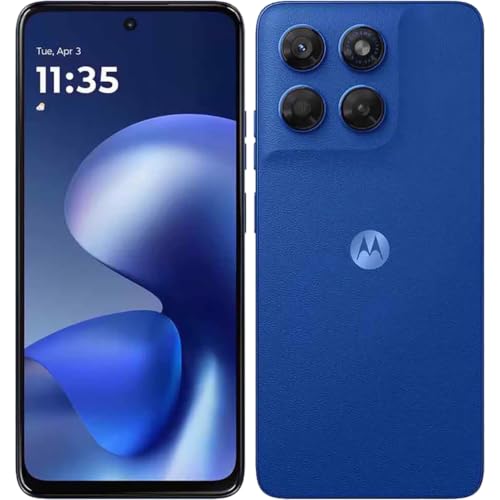
Live listings for the shortlist in this guide are pulled from Amazon below, so prices and availability are always current at the moment you look.

Final checks before you commit
Verify the exact model variant when buying from marketplaces or smaller retailers, because storage configurations and regional variants share names more often than they should. Confirm that the handset is a United Kingdom or European model with the band support described earlier, that the warranty is a British one you can actually use, and that returns are straightforward if the fit is wrong. Keep the receipt and the box; both smooth the path for warranty claims, trade-ins and eventual resale, where tidy examples with their packaging consistently find buyers faster.
Sort your SIM arrangements in the same sitting. Decide whether your second line will live on an eSIM, move your number with a PAC code if you are switching networks, and schedule the transfer for a day when losing service for an hour would be an inconvenience rather than a crisis. Set up Wi-Fi calling, contactless payments and your banking apps while your old phone is still beside you for verification codes, because migrating everything calmly on a Sunday afternoon beats migrating it urgently from a pavement outside a shop.
Above all, match the phone to the rhythm of your life rather than to the loudest launch of the season. The premium picks here reward people who keep handsets for years and lean on their cameras daily. The mid-range choices reward everyone else just as honestly. Britain’s networks will keep improving underneath whichever you choose, filling mid-band gaps and widening standalone coverage, so a well-chosen handset tends to feel better in its second year than its first. Choose for your streets, your signal and your habits, and the right phone has a habit of choosing itself.


