Our Top Picks



What's inside
- What unlocked actually means, and what it sometimes only pretends to mean
- The band and variant check that decides whether a deal is real
- Region locks, grey imports and other traps wearing a discount costume
- Doing the full maths against carrier promotions
- The shortlist: unlocked 5G phones that reward a careful shopper
- A pre-purchase ritual worth taping inside a drawer
- Storage, memory and the quiet ways tiers change a bargain
- Buying unlocked for the whole household
- The seasonal rhythm of unlocked pricing
- Protecting the bargain after the box opens
- Pairing the handset with a plan that honours the strategy
- Check prices on Amazon
- Frequently asked questions from unlocked shoppers
As an Amazon Associate I earn from qualifying purchases. This post may contain affiliate links at no extra cost to you.
Reader note from Widget Verdict: some links and recommendations across this site support our work through affiliate commissions. Those partnerships never purchase a place in this guide, never soften a criticism, and never turn a mediocre handset into a recommended one.
An unlocked phone deal looks simple from a distance. A retailer trims the ticket, you pay once, and the handset belongs to you outright, free to move between networks whenever a better plan appears. Up close, the picture grows thornier. Sellers stretch the word unlocked until it covers carrier-free factory models, former contract devices released after payment, grey imports built for distant markets, and regional variants missing the very bands your local 5G network leans on hardest. This guide separates those categories, shows you how to interrogate a listing before money changes hands, and lines up the unlocked 5G phones that reward careful shoppers most.
Freedom is the real product here, and it deserves a clear-eyed valuation. Owning a phone outright means prepaid plans become available, travel eSIMs install without permission slips, and a tempting offer from a rival network can be accepted on a Tuesday afternoon rather than after a finance term expires. It also means the discount has to survive honest arithmetic. A carrier promotion that looks generous can quietly bind you to an expensive tariff for years, while a modest unlocked discount paired with a cheap monthly plan can win by a distance. Neither route wins automatically. The sections below give you the checks, then the shortlist.
Every recommendation in this guide is described in prose only. We place each handset in its segment, explain the buyers it flatters and the buyers it frustrates, and leave live pricing to the moment you shop, because deal pricing shifts by colour, storage tier and week of the year. What stays stable is the hardware underneath: modem support, update commitments, build quality and the quirks owners live with daily. Those are the qualities a smart deal hunter should pay for, and they are the qualities this guide keeps returning to.
What unlocked actually means, and what it sometimes only pretends to mean
Start with vocabulary, because sellers profit from fuzzy language. A factory unlocked phone leaves the manufacturer free of any carrier lock, accepts SIM cards and eSIM profiles from competing networks, and carries no obligation to the shop that sold it. A carrier unlocked phone began life sold through a network, then had its lock removed after the original owner settled the bill. Both can serve you perfectly well, yet they differ in history, in bundled software, and occasionally in the exact bands the hardware supports, since networks sometimes commission variants tuned to their own spectrum.
Then there is the third creature, the one behind most disappointment: the international or grey-market model. It may be genuinely unlocked in the sense that no carrier restricts it, while still being the wrong tool for your country. Its modem might omit a mid-band frequency your network uses for urban 5G, its warranty might be honoured only in its home market, and its software channel might deliver updates on a slower regional schedule. Nothing about such a phone is fraudulent. It is simply built for somewhere else, and the bargain evaporates the first time you stand in a city centre watching a friend’s phone pull strong 5G while yours idles on a weaker layer.
Carrier freedom also has a practical texture worth picturing. With an unlocked handset you can keep a primary number on one network while adding a travel data profile abroad, test a discount carrier for a month without surrendering your main line, or move a teenager onto a family plan on whichever network prices it kindly that season. Households that treat phones as long-term assets feel this flexibility most. A handset passed down through siblings can join three different networks across its life without a single unlocking request, support ticket or waiting period.
Dual SIM behaviour deserves a mention in the same breath. Many unlocked models pair a physical tray with an eSIM, or offer two electronic profiles, letting you separate work and personal lines on one device. Travellers lean on this constantly: the home number stays reachable for bank codes and family calls while a local profile handles maps, ride hailing and restaurant searches at local rates. When a deal listing mentions dual SIM, confirm which combination the specific variant allows, because regional editions of the same phone occasionally differ here as well.
Finally, remember what unlocked does not promise. It does not guarantee that every network feature will switch on. Wi-Fi calling, visual voicemail and certain roaming arrangements sometimes behave differently on handsets a carrier did not sell, depending on the network’s policies and the phone’s certifications. For most mainstream models from major brands these features work smoothly on the big networks, yet a quick search of the carrier’s bring-your-own-device page for the exact model remains a five-minute task that can prevent a month of irritation.
The band and variant check that decides whether a deal is real
Every serious deal evaluation begins with the model number, not the model name. Manufacturers reuse glamorous names across hardware revisions whose radios differ meaningfully. The listing you want names the precise variant in its specifications, and the manufacturer’s own regional site confirms which 5G bands that variant carries. Compare that list against the bands your chosen network actually deploys, paying special attention to the mid-band frequencies that carry most urban and suburban 5G traffic, since those deliver the speed jump people buy 5G phones to experience.
Low-band 5G alone is not a consolation prize, but it should not be sold as the full experience either. It travels far, slips through walls and keeps rural routes connected, while its speeds can resemble strong 4G on busy days. A phone missing low-band support will feel strangely fragile indoors and along highways. A phone missing mid-band support will feel strangely ordinary in the city. A genuinely good unlocked buy covers both, and adds high-band support if your network and city make use of it, though that layer matters to fewer buyers than marketing suggests.
Our broader explainer on best 4g and 5g unlocked phones walks through band families in more depth, and it pairs well with the checks here. The short version to carry into any listing: find the variant code, open the maker’s specification page for your region, write down the 5G bands, open your carrier’s coverage or device page, and only then look at the discounted figure. Shoppers who reverse that order, seduced by the saving first and the spreadsheet second, are the ones writing regretful forum posts a fortnight later.
While the specification page is open, sweep for the supporting details that listings love to blur. Confirm the storage tier and memory, because deal pages sometimes photograph the flagship configuration while pricing the base one. Confirm whether a charger is included, since many modern phones ship without one and the extra purchase belongs in your cost comparison. Confirm the SIM arrangement, the water resistance rating, and whether the display technology named in the headline matches the tier on sale. None of this requires expertise, only the discipline to read the maker’s page instead of the marketplace summary.
Software support belongs on the same checklist. An unlocked phone bought cheaply but abandoned by its maker within a year is expensive in the ways that matter: banking apps grow wary, security flaws linger, and resale value sags. The leading brands now publish update commitments measured in years, and those promises follow the model and region rather than the seller. Favour handsets whose makers commit to long security support, and treat a vague listing silence on updates as information in itself.
Region locks, grey imports and other traps wearing a discount costume
Some phones carry a regional activation policy: the device must first be used with a SIM from its intended region, or make calls totalling a stated duration there, before it will accept cards from elsewhere. Sellers who import such models sometimes perform that activation themselves and sometimes leave it as a surprise for you. If a listing mentions international version without explaining activation, ask the question directly before ordering, and keep the answer in writing. A phone that arrives unable to recognise your SIM turns a saving into a returns negotiation.
Warranty geography is the quieter trap. Manufacturer warranties are commonly honoured in the region of sale, so an imported handset may need an expensive round trip for a screen or board fault, or may be refused by local service centres altogether. Third-party seller warranties fill the gap unevenly. None of this forbids buying imported hardware; plenty of enthusiasts do so happily with open eyes. It does mean the price gap must be wide enough to compensate for the risk, and for most mainstream buyers choosing between a local unlocked model on promotion and an import at a similar figure, the local model is the grown-up choice.
Refurbished and open-box listings form their own category of opportunity and peril. A graded refurbished phone from a reputable programme, with a stated battery health threshold and a real returns window, can be the sharpest deal in this entire guide. An anonymous marketplace listing with stock photographs and a too-clean story is a gamble. Check the IMEI status where the seller permits it, confirm the device is not still attached to someone else’s finance agreement, and verify that activation locks from the previous owner’s account have been cleared. A phone that wakes up asking for a stranger’s credentials is a paperweight with good specifications.
Accessory and charger mismatches round out the import story. Regional models may ship with plug shapes for other continents, region-specific charging standards, or cases and bundles described in another language. Small things, certainly, yet they add friction and cost. The deeper point stands across every trap in this section: a deal is the whole transaction, not the headline number. Shipping, returns, warranty, activation and band support all live inside the real price.
Doing the full maths against carrier promotions
Carrier deals advertise with theatre: free phones, enormous trade-in credits, gift cards fluttering like confetti. The credits usually arrive as monthly instalments across a long term, vanish if you leave early, and require a premium tariff throughout. None of that makes them bad. For a loyal customer who would choose that tariff anyway, a carrier promotion can be genuinely excellent. The mistake is comparing the carrier’s monthly device figure against an unlocked phone’s full shelf figure and calling the contest over.
Build the honest comparison on one sheet. Column one: the unlocked route, meaning the discounted handset price, a case and charger if needed, and twenty-four months of the cheapest plan that meets your data needs on any network the phone supports. Column two: the carrier route, meaning any upfront payment, twenty-four months of the required tariff, and the trade-in assumptions spelled out, including what happens to remaining credits if you exit at month eighteen. Households regularly discover the unlocked column winning by a wide margin once a modest prepaid or smaller-carrier plan enters the picture, which is precisely the freedom the unlocked premium buys.
Our roundup of best affordable unlocked smartphones exists for readers who want that second column to shrink further, since pairing a sensibly priced handset with a lean plan is where the strategy compounds. Also respect the value of exit itself. An unlocked owner can chase a rival’s seasonal plan sale, pause spending during a tight month by dropping a tier, or hand the phone to a family member on another network. Optionality rarely appears in spreadsheets, yet anyone who has paid an early termination tangle knows it carries a price of its own.
Trade-ins deserve a sceptical paragraph of their own. Valuations hinge on condition grading performed by someone whose incentives differ from yours, and promotional values often require the priciest plans. Before shipping a beloved old phone into that machinery, price it on the open second-hand market and in the maker’s own trade-in programme. Sometimes the carrier credit towers over both and the decision makes itself. Sometimes the gap shrinks to a token amount, and selling the old handset yourself while buying unlocked leaves you ahead with fewer strings attached.
Timing sharpens every figure above. Unlocked pricing dips predictably around major retail events, new model launches that push predecessors down, and the quiet weeks when retailers clear colour or storage variants nobody loved. Carrier promotions spike at the same moments, so the comparison must be rebuilt each season rather than inherited from last year’s conclusions. Patient shoppers who know their target model and their walk-away total can treat these waves calmly, buying when the spreadsheet says yes instead of when the advertising says now.
The shortlist: unlocked 5G phones that reward a careful shopper
Six handsets follow, arranged by the kind of buyer they suit rather than a single ladder of worth. Each entry names its segment in words, sketches strengths and compromises, and flags the variant checks that matter for that family. Read the picks through the lens of your own network, your plan ambitions and your tolerance for size, because the best deal in this guide is the one whose discount lands on hardware you will still enjoy in year three.
Apple iPhone standard flagship line — the unlocked resale champion
Segment: premium, in the standard rather than halo configuration. Apple’s mainstream flagship is the unlocked purchase for people who think in whole lifecycles. Bought outright during one of the retailer’s periodic promotions, it delivers the complete modern package: broad 5G band support in the regional variants sold through authorised channels, a bright and colour-accurate display, water resistance, wireless charging, and a camera system whose consistency across lenses spares owners the settings anxiety that haunts spec-sheet champions.
The unlocked argument is unusually strong here because second-hand demand for this family is relentless. A phone that holds value turns its purchase price into a partial deposit on its successor, and few handsets anywhere defend their worth like this one. Pair that with Apple’s long software runway, delivered simultaneously rather than in regional waves, and the arithmetic stretches impressively: divide the discounted price by five or six years of fully supported service and the monthly equivalent embarrasses many supposedly cheaper devices replaced twice in the same span.
Daily experience leans toward the frictionless. Face unlock works in the rain, the haptics feel machined rather than buzzed, and the accessory ecosystem means cases, mounts and chargers exist for every niche from delivery riding to wheelchair trays. The compromises are the familiar Apple ones. You live inside Apple’s service gravity, file management follows Apple’s philosophy rather than yours, and the most flexible dual SIM arrangements belong to certain regional variants, so travellers should confirm the configuration sold in their market before assuming two physical cards will fit.
Deal craft for this pick: promotions often favour specific colours or the larger storage tier, and the larger tier is frequently the wiser buy because it postpones the storage anxiety that pushes owners into premature upgrades. Buy from authorised sellers so the warranty story stays simple, verify the model identifier matches your region, and resist carrier-flavoured listings wearing unlocked language. For households already using Apple services, this is the default recommendation; for committed Android households, it is the benchmark the next pick must beat on flexibility.
Samsung Galaxy S standard line — the flexible Android flagship deal
Segment: premium Android, compact flagship class. Samsung’s standard Galaxy S model is where unlocked Android buying feels most mature. The hardware covers the essential 5G bands in its regional editions, the display ranks among the finest fitted to any phone at any level, and Samsung’s update pledge now stretches across the sort of ownership span that makes an outright purchase rational. During launch windows for newer generations, this line’s previous edition becomes one of the most reliable bargains in the unlocked market, shedding price while keeping nearly everything owners actually use.
Flexibility is its personality. You can reshape the interface, run two instances of social apps for separate accounts, lean on genuinely useful multitasking, and choose between Samsung’s services and Google’s without the phone sulking. The camera system covers the everyday distances with confidence and adds a proper telephoto reach that many rivals at this level omit, which matters at school concerts and sideline seats. Battery behaviour suits a full working day, charging is brisk by cable, and wireless charging keeps desks and cars tidy.
Variant discipline matters most with this family. Samsung sells regional editions whose band lists and SIM arrangements differ, and marketplace sellers are not always careful about which one they ship. The model code is printed in the listing’s fine print and inside the settings of any unit you can inspect; match it to Samsung’s page for your country. Also confirm whether the edition offered is a carrier-origin unit unlocked afterwards, since those can carry extra bundled software and a slightly different update cadence than the factory unlocked edition.
Who should pounce when this line dips? Android loyalists wanting flagship polish without halo bulk, families standardising on one handset across different networks, and anyone whose work apps live happier on Android. Who should hesitate: buyers who prize the absolute simplest interface for a less technical relative, and photographers who want the extreme zoom of the Ultra tier. As deals go, this is the balanced one, rarely the cheapest on the page and frequently the cheapest across three years of ownership.
Google Pixel Pro line — the camera brain at a negotiable figure
Segment: upper tier, sliding toward mid-range during its frequent promotions. Google’s Pro Pixel is the unlocked market’s most volatile price story, and volatility favours the patient. At launch positioning it asks flagship money for an intelligence-led package; months later, retailer events routinely reposition it as the thinking buyer’s bargain. The hardware proposition centres on computational photography that rescues ordinary scenes, call tools that filter the modern plague of spam, and software that arrives directly from Google without a carrier’s fingerprints.
The camera deserves its reputation in the situations family photography actually involves: tungsten kitchens, gymnasium glare, faces backlit by holiday windows. The Pixel’s processing favours truth over theatre, keeping skin tones honest and skies believable. Video has matured into a strength rather than an apology. For stills-first buyers, few unlocked phones at a discounted figure produce a higher keeper rate per hundred frames, and features like automated transcription and call screening quietly save time every single week.
Honest caveats keep this pick grounded. Google’s processor prioritises its AI workload over sustained gaming muscle, so competitive players chasing maximum frame rates should look at the Samsung or OnePlus entries. Battery stamina is dependable rather than class-leading, and the phone’s face can run warm under prolonged camera or hotspot duty. Network support on the major carriers is well established for the regional models, yet as ever the variant code deserves its thirty-second check, particularly for grey-market listings quoting prices that seem to belong to a lesser phone.
Buying strategy writes itself: never pay launch positioning unless you need the phone that week. Track the big retail events, compare the maker’s own store against marketplace sellers, and remember that storage upgrades on this line are often discounted unevenly, occasionally making the roomier tier the smarter long-term purchase. For readers who rank photography, call sanity and clean software above raw gaming thrust, a well-timed Pixel Pro deal is close to unbeatable, and our wider look at best 5g capable phones explains how it stacks against other network-ready rivals.
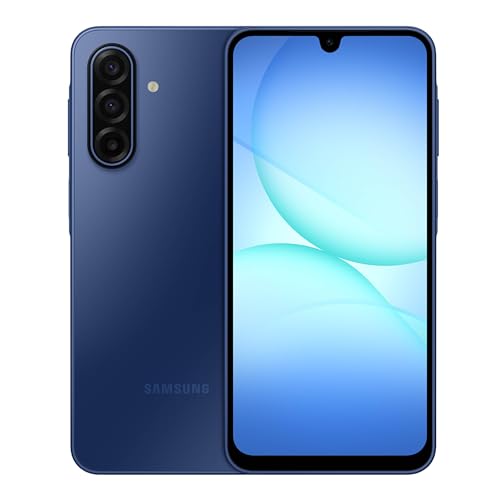
Samsung Galaxy A mid-range line — the value anchor of the unlocked market
Segment: mid-range, the tier where most households should start their search. Samsung’s Galaxy A family has become the default answer for buyers who want a modern 5G phone, a handsome screen and years of security support without entering flagship negotiations. Unlocked examples appear in promotions constantly, and the line’s breadth means a careful shopper can choose between larger displays, bigger batteries and camera emphasis while staying inside one familiar software world.
The experience surprises people whose memories of mid-range phones froze years ago. Displays are bright and fluid, bodies feel assembled rather than assembled-ish, and everyday performance through messaging, maps, banking and streaming is unruffled. Samsung’s software commitment at this level embarrasses older flagships: updates arrive for years, which transforms a modest purchase into a long service life and makes these phones ideal for parents, teenagers and households replacing a handset that faded through sheer inattention instead of boredom.
Compromises arrive in predictable places. Low-light photography is willing rather than wonderful, gaming at maximum settings will expose the processor’s station, and wireless charging is generally absent, so the bedside routine involves a cable. Some regional editions route 5G band support differently, which returns us to the recurring sermon of this guide: check the variant. A mid-range phone missing your network’s main mid-band is not a bargain at any discount, however glossy its screen.
Deal craft here is about patience and bundles. Retailers pair this line with cases, chargers and storage cards during seasonal pushes, and last season’s model often continues as the true sweet spot after a refresh. Because the saving versus a flagship is already large, prioritise the authorised local edition over a marginally cheaper import every time; the warranty and band certainty are worth more than the final sliver of discount. For sheer cost per year of competent service, nothing else in this guide argues harder.
Google Pixel a-series — the small-spend software bargain
Segment: affordable tier with flagship software manners. Google’s a-series performs a magic trick the industry keeps applauding: it borrows the camera intelligence and update generosity of its expensive siblings, trims the materials and display extravagance, and lands at a figure that makes unlocked buying painless. In deal season it frequently becomes the lowest sensible entry into long-supported 5G ownership, and its compact dimensions win over buyers tired of two-handed phones.
Photography is the headline, since the same computational care that flatters the Pro models works here on more modest hardware. Portraits hold their edges, night scenes keep their mood, and the processing never turns faces into porcelain. The software story matches: direct updates, call screening, transcription and a clean interface without duplicate app clutter. For a relative who asks you for tech support, this is the phone you can explain over a short call, and that hidden labour saving is worth money.
Temper expectations in the usual places. Charging speeds are leisurely, the build uses more plastic, storage tiers are limited, and the processor, while perfectly smooth in daily service, is not built for marathon gaming sessions. Battery life covers a normal day for typical users, with heavy navigation and hotspot duty asking for an evening top-up. Band support on the intended regional models suits the major networks, and the a-series’ popularity means carrier bring-your-own pages document it clearly.
As a deal target it rewards timing even more than the Pro line. Launch offers for a successor routinely push this phone into impulse territory, and open-box examples from major retailers carry proper returns. Readers comparing the wider affordable field should also browse best 300 dollar smartphones, where this family regularly anchors the conversation. If your priorities read camera, software and sanity, in that order, and your budget reads firmly limited, this pick is the one to watch like a hawk during every major sale.
Motorola Moto G 5G line — the uncomplicated budget workhorse
Segment: budget tier, built for buyers who measure value in years of untroubled service. Motorola’s Moto G family has served the unlocked market since before 5G arrived, and its formula remains appealing: near-stock software, generous battery capacity, sensible displays and prices that fall quickly after launch. Unlocked editions are sold widely through mainstream retailers, which keeps the warranty and returns story refreshingly ordinary.
The daily experience is calm. The interface stays close to Google’s intentions, bloat is minimal, and Motorola’s gesture shortcuts, the chop for the torch and the twist for the camera, become muscle memory within a week. Battery endurance is the family’s signature strength, routinely stretching beyond a day for moderate users and sparing owners the charger anxiety that shadows prettier phones. For delivery riders, field workers and anyone whose phone is a tool before it is a jewel, that stamina is the feature.
Set expectations honestly. Camera output is fine in daylight and ordinary at night, update commitments are shorter than Samsung’s or Google’s, and premium touches like wireless charging and high-grade water resistance do not live at this level. The software support window is the real long-term cost to weigh: a very cheap phone replaced sooner can lose its price advantage, so check the stated update policy for the specific model year rather than assuming.
Variant checks still apply, since Motorola builds carrier editions and regional editions alongside the retail unlocked model, and their band lists are not identical twins. Prefer the retail unlocked edition from a mainstream seller, confirm its bands against your network, and treat any carrier-branded bargain as a separate product requiring its own homework. When the retail edition dips during a sale, which it reliably does, this line becomes the easiest recommendation in the guide for a spare phone, a first phone or a household backup that several networks can share.
OnePlus flagship and Nord lines — the speed merchant’s alternative
Segment: flagship-adjacent and upper mid-range, depending on which branch of the family is on offer. OnePlus built its following on pace: fast processors, fast charging that genuinely changes habits, and displays tuned for smoothness. Unlocked deals on the previous flagship appear whenever a successor lands, while the Nord branch courts the mid-range with much of the same flavour. For buyers who find the big two brands’ software heavy, this is the alternative with genuine character.
Charging deserves first billing because it rearranges behaviour. A short plug-in during breakfast restores a meaningful share of the battery, which softens the anxiety of a low cell before a commute. Performance headroom is generous, gaming stays fluid, and the software keeps a lighter touch than most rivals while still offering deep customisation. Camera results are good and improving across generations, though the family’s processing lacks the Pixel’s consistency in cruel lighting and its zoom reach trails the Samsung flagship.
The homework for this brand is network homework. Historically, band support and carrier certification on OnePlus models have varied by generation and region more than the industry average, and features such as Wi-Fi calling have occasionally depended on the specific network’s stance toward the model. None of this is disqualifying; it simply means the bring-your-own-device check matters doubly here. Buy the edition intended for your market, confirm the carrier lists it, and the ownership experience tends to be smooth and swift.
Deal timing is generous to the patient. This maker’s pricing steps down in clear stages after launch, and retailer bundles with its earbuds or chargers appear through the year. If raw pace and charging theatre top your list, and your network homework comes back clean, a discounted OnePlus is the enthusiast’s pick of this guide. If you want the safest possible certification story for an elderly relative’s line, the Samsung A or Pixel a-series entries above remain the calmer recommendations.
A pre-purchase ritual worth taping inside a drawer
Good deal hunters share a ritual, and it takes less than an hour spread across an evening. First, name your network or shortlist of networks, because unlocked freedom means little until it points somewhere. Second, shortlist two or three models from the picks above and write down their regional variant codes. Third, verify each variant against your carrier’s device page and the maker’s specification sheet. Fourth, build the two-column cost comparison against the carrier promotion tempting you. Fifth, set a target figure for each model and wait for the market to meet it, which it usually does within a season.
When the day arrives, buy from a seller whose returns policy you have actually read. Inspect the phone on delivery before transferring your digital life: check the model code in settings, insert your SIM and watch which 5G layer it finds at home and at a busier location, confirm the storage matches the order, and test Wi-Fi calling if your household depends on it. Keep the packaging until the returns window closes. These unglamorous steps are the difference between a deal story you tell proudly and one you tell as a warning.
Returns windows deserve emphasis because they are the unlocked buyer’s insurance policy. A reputable retailer gives you days or weeks to discover that a phone’s size fights your hands, its camera disappoints at the school play, or its signal manners at your desk are weaker than your old handset’s. Use that window honestly and promptly. Test the places your life actually happens: the supermarket aisle with the metal roof, the basement car park, the train cutting where calls usually wobble. A phone that survives your geography has earned its discount.
Protect the purchase afterwards in ways that preserve its value. A case and screen protector bought on day one defend the resale figure that makes unlocked economics sing. Register the warranty, save the invoice somewhere searchable, and note the update commitment end date in a calendar if you are the organised sort. When the time eventually comes to sell or pass the phone along, a factory reset, an account sign-out and an honest condition description complete the cycle that made the original deal smart.
Storage, memory and the quiet ways tiers change a bargain
Deal listings love a low headline figure, and the easiest way to manufacture one is to price the smallest storage tier while photographing the range-topping configuration. Storage deserves respect because it decides how long a phone stays pleasant. Photo libraries grow, messaging apps hoard media, offline maps and music pile up, and operating systems swell with each generation. A handset that begins complaining about space in its second year pushes its owner toward an upgrade long before the hardware tires, quietly wrecking the careful economics that justified buying unlocked.
The practical approach is to audit your current phone before shopping. Look at what you actually consume, separate the photographs already backed up to the cloud from the ones living only on the device, and notice how much room games and offline video claim. Then buy headroom rather than precision. Across the industry, the step from the base tier to the next one is usually the best value upgrade available at purchase, and it is the one tier decision you can never revisit later. Memory, by contrast, is largely the maker’s problem at the tiers in this guide; mainstream models ship with enough for smooth daily service, and chasing extra memory matters mainly to heavy multitaskers and committed mobile gamers.
Expandable storage has nearly vanished from the upper tiers, surviving mainly in scattered budget models, so do not let a listing’s nostalgia mislead you. Cloud subscriptions can stretch a smaller tier, yet they convert a one-time hardware choice into a monthly habit, which belongs in the two-column cost comparison if you rely on it. The unlocked buyer’s mindset applies neatly here: pay once for the capacity you need, keep the recurring column lean, and let the phone serve for years without a storage warning interrupting a holiday video.
Buying unlocked for the whole household
Families feel the unlocked advantage in ways individual buyers rarely calculate. When every handset in the kitchen drawer is network-free, plans can be renegotiated as a portfolio: one parent on a premium network for rural work travel, the other on a discount carrier that piggybacks the same towers, teenagers on capped plans that can move when prices shift. Handsets cascade downward as children age into them, and a spare phone can join whichever network offers a temporary line during a house move, a renovation or a grandparent’s extended visit.
Standardising on one or two model families multiplies the convenience. Chargers, cases knowledge, spare cables in the car and hard-won familiarity with settings all transfer between devices. When something misbehaves, the household’s accumulated wisdom applies, and the confident teenager who serves as informal support can troubleshoot a parent’s phone because it behaves like their own. Buying those standard models unlocked, during their predictable seasonal dips, is how organised households quietly spend far less on phones than their neighbours while using newer hardware.
Gifting follows the same logic. An unlocked phone is the only safe phone to give someone whose network you do not control: no awkward discovery on Christmas morning that the handset refuses their SIM, no finance agreement lurking behind the ribbon. Pair the gift with the variant check performed against the recipient’s carrier rather than your own, and keep the receipt available to them for warranty purposes. It is a small ceremony of competence that recipients remember fondly each time the phone simply works.
The seasonal rhythm of unlocked pricing
Unlocked prices breathe with the industry’s calendar, and learning the rhythm converts luck into strategy. The deepest cuts cluster around the major retail festivals of late autumn, when every seller competes for the same wallet. New flagship launches create a second wave: the outgoing generation, often barely distinguishable in daily service, steps down in price within weeks and keeps sliding gently until stock thins. A third, quieter wave arrives when retailers clear unpopular colours or a single storage tier, which is why flexible buyers who care little about finish save disproportionately.
Manufacturer stores, big-box retailers and online marketplaces move on slightly different clocks, so a model absent from one sale may headline another a fortnight later. Price-tracking tools and wishlist alerts do the tedious watching for you; set them for your shortlisted variants and let the notifications arrive. What patience must never become is paralysis. A phone is a tool for years of daily service, and the difference between a good discount secured this month and a marginally deeper one secured next season is smaller than the value of simply getting on with using the right handset.
Refurbished programmes run on their own calendar, restocking in waves after trade-in surges that follow big launches. The weeks after a flagship release are therefore doubly interesting: new prices on the old generation soften, and graded refurbished examples of it multiply. Buyers comfortable with a certified refurbished unit, battery health disclosed and warranty attached, can stack both effects. Buyers who are not comfortable should ignore that market without guilt; the right deal is the one whose risk profile lets you sleep.
Protecting the bargain after the box opens
A deal’s value can leak away through neglect, so treat the first week as part of the purchase. Move your data with the maker’s transfer tools, then verify the essentials before wiping the old phone: banking apps re-authenticated, two-factor codes working, photographs visible in your backup, messages intact. Set up the new handset’s own backup from day one, because the unlocked phone’s resale and hand-me-down value depends on it surviving to a second life, and survival is partly a software habit.
Insurance and extended warranties deserve the same spreadsheet treatment as everything else in this guide. Manufacturer protection plans price peace of mind against screen and board failures; carrier insurance bundles often cost more across a term while adding loss cover. Households with a drawer spare and a careful streak may rationally decline both, while a field worker whose phone earns its living outdoors may rationally buy the strongest cover offered. The mistake is drifting into a monthly protection charge by default, unexamined, which is exactly the sort of quiet recurring cost unlocked buying exists to escape.
Finally, keep the old phone working for you. A previous handset in sound condition can be sold to offset the new purchase, traded through the maker’s programme when its valuation is honest, kept as the household spare, or donated through a reputable scheme after a thorough wipe. Each route has a value, and choosing deliberately among them is the last act of the deal. The unlocked buyer who manages the exit as carefully as the entrance usually finds the next upgrade substantially prepaid by the last one.
Pairing the handset with a plan that honours the strategy
An unlocked phone on an overpriced plan is a half-finished plan, so finish the job. The market beyond the big carriers has matured into a landscape of smaller brands renting capacity on those same national networks, often with simpler pricing and no appetite for locking your hardware. Coverage follows the host network, while customer service, data prioritisation during congestion and roaming arrangements vary by provider. For many households the trade is obviously worth it; for a rural worker whose livelihood depends on priority data at a congested county fair, it may not be, and only honest self-knowledge decides.
Audit your data appetite before switching anything. Most people overestimate their consumption because unlimited marketing trains them to. Your current phone reports its monthly usage plainly in its settings, and a few months of history will show whether you are a light browser who could thrive on a modest allowance or a hotspot-dependent remote worker who genuinely needs the generous tier. Matching the plan to the measured appetite, rather than the feared one, is where the unlocked strategy banks its largest and most repeatable saving, month after month, long after the handset discount is forgotten.
Switching itself has become mercifully undramatic. Numbers port between carriers as a matter of routine, eSIM activation can complete before a kettle boils, and the old provider’s retention offers will arrive precisely because leaving is easy. Keep your account details, porting PIN and identification ready, initiate the move before cancelling anything, and never close the old account manually ahead of the port, since the number travels first and the closure follows automatically. Test the new service during its trial or early window at your home, workplace and regular routes, because coverage maps flatter everyone equally.
Revisit the pairing once a year, ideally when your phone’s deal anniversary or a big retail season rolls around. Plans drift, smaller carriers sharpen offers, and your own usage mutates as jobs, commutes and children change. The unlocked owner treats the plan as a subscription to be renegotiated and the handset as an asset to be kept, which is the exact opposite of the carrier model’s instincts. That inversion, more than any single discount in this guide, is what deal hunting on unlocked phones is really purchasing.
Check prices on Amazon
Live listings for the shortlist in this guide are pulled from Amazon below, so prices and availability are always current at the moment you look.


Frequently asked questions from unlocked shoppers
Will an unlocked phone work on any network I choose?
Almost, with the variant sermon as the standing caveat. A mainstream unlocked model bought for your region, with bands matching your carrier’s deployment and a place on its bring-your-own list, will work fully in the overwhelming majority of cases. Problems cluster around imported editions, very old models missing newer bands, and niche networks with stricter certification habits. The checks in this guide exist to move you out of those clusters before money moves.
Is a carrier-unlocked phone worse than a factory unlocked one?
Not inherently. The hardware is often identical, and once the lock is lifted the phone behaves as a free device. Differences hide in bundled software, update timing on some brands, and the history questions any second-hand purchase raises: outstanding finance, prior damage, battery wear. Buy a carrier-unlocked unit from a seller who answers those questions plainly, with a returns window behind the answers, and it can be a perfectly sound bargain.
Does buying unlocked hurt my coverage or speeds?
The radio does not know who sold it. Given the same variant and the same plan tier, an unlocked phone reaches the same towers at the same speeds as its carrier-sold twin. Where differences appear, they trace back to plan restrictions, variant band gaps or feature certification, all of which this guide teaches you to check. Blaming unlocked status itself for a slow connection is like blaming a passport for a cancelled flight.
What about eSIM when I travel?
This is where unlocked ownership quietly shines. Most modern unlocked handsets accept travel eSIM profiles alongside a physical home SIM, letting you land abroad, activate local data within minutes and keep your home number alive for messages and verification codes. Carrier-locked phones can block that manoeuvre entirely. If you travel even twice a year, price this convenience into your comparison; it routinely saves more than the difference between two competing deals.
When is a carrier promotion genuinely the better buy?
When you would happily pay for its required tariff anyway, intend to stay for the full term, and value the trade-in credit at face value because your old phone truly meets its condition terms. Loyal customers on premium plans in strong coverage areas fit that description more often than unlocked evangelists admit. The spreadsheet decides, not ideology, and this guide’s loyalty is to the spreadsheet.
Should I wait for a sale or buy the moment I find stock?
Both instincts are right at different moments, and the tiebreaker is need. A broken phone, a lost phone or a device abandoned by security updates argues for buying the best current offer on a shortlisted model without theatrical delay. A working phone with a year of comfortable service left argues for setting alerts and letting the seasonal rhythm work on your behalf. What neither situation justifies is buying an unlisted model purely because its discount percentage looks dramatic; percentages are marketing, while the variant checks, update windows and ownership maths in this guide are substance. Anchor on the model first, the seller second and the headline saving last, and the timing question usually resolves itself within a single sale cycle.
How long should I keep an unlocked phone?
As long as it receives security updates, holds a day’s charge for your habits and runs your essential apps without friction. The makers in this guide publish support windows stretching across many years for their better models, which is precisely why buying a good handset unlocked beats buying a weak one cheaply. Longevity is the multiplier on every discount: the same saving spread over five years instead of two is a different financial story entirely.
One last encouragement belongs here for readers who find the checking ritual tedious on first reading. It becomes faster every time you repeat it, until the model code lookup and the two-column comparison feel as automatic as checking a train platform before boarding. The market rewards that small competence relentlessly, because most shoppers never acquire it, and their haste subsidises the discounts waiting for everyone who did.
Shop slowly, verify the variant, count the whole cost, and the unlocked market will reward you with a phone that answers to you rather than to a contract — that is the only bargain this guide ultimately cares about.
Related guides
- Best 3.0 Qualcomm Quick Chargers: QC 3.0 Adapters That Still Earn Their Outlet
- Best Time Machine Compatible Hard Drives: Mac-Ready and Reformatted Picks
- Best 3D Mechanical Engineering Laptops: Certified Workstations for CAD and Simulation
- Best Tattoo Printers: Thermal Stencil Machines for Clean, Lasting Transfers


