Our Top Picks


What's inside
- Two families, one assistant: smart speakers and borrowed brains
- Being heard: microphones, rooms, and the wake word
- Sound quality without the showroom tricks
- Connections: wi-fi, bluetooth, cables, and second chances for old kit
- Multiroom music, announcements, and routines
- The speaker as smart home hub
- Privacy, children, and guests
- Size, power, and the geography of a real home
- Setup day and the first week
- Reading listings like an engineer
- Matching the configuration to the household
- Questions buyers ask most often
- A calm buying checklist
- Everyday requests: music services, news, and the small stuff
- Parties, patios, and taking the music outside
- What happens to the speaker it replaces
- Mistakes that even careful buyers make
- Check prices on Amazon
- Care, longevity, and living with the fleet
As an Amazon Associate I earn from qualifying purchases. This post may contain affiliate links at no extra cost to you.
Choosing a speaker to use with Alexa sounds like a small decision until a household starts listing everything that speaker should handle. It might need to read a weather forecast beside the bed, time pasta on the stove, announce that a visitor is at the door, soften the lights in the lounge, and still do justice to a favourite album on a Friday evening. The market answers that wish list with two broad families. Smart speakers carry the assistant, the microphones, and the streaming hardware inside a single cabinet, ready to work minutes after the box is opened. Ordinary speakers take the other route: a bookshelf pair, a soundbar, or an older stereo system gains a voice through a compact streaming puck or an amplifier with the assistant built in, borrowing ears and a network connection from that smaller device.
Both routes can work beautifully, and both can disappoint when the room, the network, or the household’s habits are ignored. This guide therefore compares the two families through the criteria that decide daily satisfaction rather than first impressions: how reliably the microphones catch a request, how music genuinely sounds at sensible volumes, which connections each model offers, how multiroom groups behave when several units share a home, what the speaker can control beyond itself, and how thoughtfully its privacy switches are arranged. The comparison rests on published specifications, manufacturer documentation, and patterns that recur across verified buyer feedback, where owners describe what still pleases or quietly annoys them months after purchase. Where opinions disagree, room size, placement, and network quality usually explain the gap, so those threads run through every section below.
One funding note deserves space before any shortlist appears. Links leaving this page may pay the site a commission if a reader later buys something after following one, and that arrangement costs the reader nothing extra while helping to keep guides like this one free to read. It never softens a criticism or promotes a weaker model, because a speaker that frustrates a family every morning damages trust far more than any commission can repay. Figures for cost and stock move too quickly to print responsibly, so none appear here; the retailer listings carry the current details, and every model family discussed is judged against the identical checklist of hearing, sound, connections, grouping, control, and privacy.
Two families, one assistant: smart speakers and borrowed brains
A self-contained smart speaker is the simplest starting point. Microphones, processing, amplification, and drivers share one enclosure, the companion app walks the owner through connection, and a single power cable is often the only wire involved. That simplicity suits kitchens, bedrooms, and spare rooms where a household wants voice control without rearranging furniture or learning a new remote. The trade-off is that the sound is fixed at purchase: if the cabinet proves too small for the lounge, the remedy is a bigger unit or a stereo partner rather than an upgrade to one component.
The borrowed-brain route keeps existing audio equipment in service. A small puck with a line-out socket feeds an amplifier or powered speakers, while a streaming amplifier can replace an ageing receiver entirely and drive passive speakers directly. Owners who already love their bookshelf pair often prefer this path, because the voice layer arrives without surrendering a sound they chose carefully years earlier. The extra links in the chain do demand patience: input selection on the older equipment, volume behaviour split between two devices, and one more power supply behind the furniture.
Hybrid homes are common and perfectly sensible. A large smart speaker might anchor the lounge where music matters most, pucks might serve the study and the main bedroom where an existing radio or speaker already sits, and a tiny smart unit might handle timers and announcements in the kitchen. Nothing in the ecosystem forces a single approach, provided every device signs into the same household account and joins the same home network. Planning that mixture on paper first, room by room, prevents the classic mistake of buying three identical units for three very different jobs.
Soundbars deserve a mention inside this family portrait, because many now ship with the assistant onboard or accept a puck through an auxiliary or optical path. A bar that already serves the television can double as the lounge’s music speaker and voice point, reducing box count in the room where clutter is most visible. Buyers should confirm whether voice control survives when the bar is playing television audio, since behaviour differs between models and matters during film nights when a timer or a light command is still useful.
Being heard: microphones, rooms, and the wake word
Every voice feature collapses if the speaker cannot hear the person talking to it. Far-field microphone arrays are engineered to isolate a wake word from television dialogue, running water, and ordinary conversation, yet their real performance is set by the room as much as by the hardware. A unit tucked inside a closed cabinet, squeezed behind a television, or balanced on a vibrating appliance will miss requests regardless of how many microphones it carries. Open air around the top of the cabinet, a position near ear height, and a little distance from walls give the array a fair chance to do its job.
Noise is the second enemy. Kitchens fill with extractor fans, kettles, and dishwasher cycles precisely when cooks want timers and conversions, so a kitchen speaker earns its place by hearing a request spoken at normal volume over that clatter. Models differ noticeably here, and buyer feedback from kitchen owners is more instructive than any laboratory figure. A speaker that performs flawlessly in a quiet study may need a raised voice in a tiled kitchen, which is why matching the unit to its noisiest hour matters more than matching it to its quietest.
Several speakers in earshot of one another introduce a friendlier problem: which one should answer? Modern systems are designed so the unit that hears the request most clearly takes the lead, sparing households a chorus of replies. That coordination works best when devices share an account and sit far enough apart that their sense of nearest is unambiguous. Two units at opposite ends of one long room can occasionally trade answers, and nudging one of them a metre or two usually settles the rivalry without any settings being touched.
Voice profiles add a personal layer once the basics behave. Different household members can be recognised well enough to hear their own calendars, playlists, and messages, while a child’s profile can limit content and block purchases. Recognition is a convenience rather than a security lock, and households should treat it that way: spoken codes for buying, and app confirmations for anything sensitive, remain sensible habits. Listings describe which profile features a model supports, and families sharing one speaker should read that part of the page with particular care.
Finally, consider the person who does not want to be heard by a machine at all hours. Every reputable model provides a microphone mute, and the better designs cut power to the microphones at a hardware level, lighting a visible indicator that cannot be argued with. A speaker destined for a bedroom or a home office used for confidential calls should be judged partly on how obvious and reachable that switch is, because a control buried in an app menu will rarely be used when it matters.
Related reading: best bluetooth bookshelf speakers under 100
Sound quality without the showroom tricks
Cabinet size sets the ceiling for bass, and no processing trick repeals that physics. Compact cylinders do an admirable job with voices, podcasts, and background music, yet they cannot move enough air to give a large lounge the low-end weight a film score or a dance playlist asks for. Larger enclosures, sometimes helped by a passive radiator that squeezes extra low-frequency output from a sealed box, sound fuller at the same volume and stay composed when the volume climbs. Buyers should map the speaker to the biggest room it will serve, not the smallest, because headroom is what separates relaxed listening from strained listening.
Midrange clarity is the quiet star for most households. News, talk radio, audiobooks, and podcasts live in the middle frequencies, and a speaker that renders them cleanly at modest volume will be loved daily by people who rarely play music loudly. Treble deserves a balanced judgement too: crispness that sparkles at low volume can harden into harshness near maximum, particularly on bright recordings. An equaliser inside the companion app, even a simple three-band one, lets owners tame an enthusiastic top end or lift voices without buying anything else.
Stereo pairing transforms a capable single speaker into something closer to a small hi-fi. Two identical units, assigned as left and right, widen the soundstage so instruments occupy positions rather than a single point, and films gain a sense of space that mono playback cannot fake. The pairing rules matter: most systems insist on matching models, bought with that intention in mind. A household dreaming of stereo should therefore buy the pair from the same family at the same time, rather than hoping a later, different purchase will cooperate.
Placement shapes sound as surely as specification does. A speaker on a bookshelf gains bass reinforcement from the surfaces around it, which can flatter a small unit or overwhelm a large one. Corners exaggerate low frequencies further still, while a position out on an open counter sounds leaner and clearer. Because every room bends the result, the wisest habit after purchase is simple experimentation: try two or three plausible spots over the first week, listen to familiar material at everyday volume, and let the room itself cast the deciding vote.
For the borrowed-brain household, sound quality is inherited from the existing speakers, which is precisely the appeal. A puck adds nothing to the audio chain except a signal, so a treasured pair of bookshelf speakers keeps its character while gaining voice control, timers, and streaming. Readers weighing that path for a main listening room may enjoy browsing traditional passive options alongside smart models, since the assistant no longer dictates the cabinet, the finish, or the driver size.
Connections: wi-fi, bluetooth, cables, and second chances for old kit
Wi-fi carries the assistant, the streaming services, and the multiroom groups, so its quality quietly governs the whole experience. Dual-band support helps in crowded homes where the lower band is shared with neighbours, older laptops, and a small army of gadgets. A speaker that drops offline during the evening peak will frustrate its owners no matter how lovely it sounds at noon, which is why router position and band choice belong in any troubleshooting conversation. A few hub models add an ethernet socket or accept an adapter, and a wired feed can steady a unit that sits in a wi-fi shadow behind masonry or metal shelving.
Bluetooth plays a supporting role with its own charms. A phone can send music directly when a guest wants to share a track, when the home network is busy, or when a battery model has wandered into the garden beyond comfortable router range. Pairing stability and remembered devices matter in shared homes: a speaker that recalls several phones gracefully saves the nightly ritual of reconnecting. Listings state the bluetooth version a model carries, and while the number alone guarantees little, it hints at range and at how modern the radio inside is likely to be.
Cables look unfashionable and solve unfashionable problems brilliantly. An auxiliary input lets a television, a turntable preamp, or an older games console share the speaker, while a line-out turns a voice puck into the control centre of an amplifier that predates streaming entirely. Optical inputs appear on soundbars and a few larger speakers, giving television audio a clean digital path. Buyers reviving older equipment should photograph the sockets on their current kit before ordering, because the difference between a line-out and a headphone socket has ended many cheerful unboxings.
Charging and power connections deserve the same scrutiny as audio ones. Proprietary power bricks are easy to lose during a house move, while a common connector standard makes replacement painless. Battery models add questions of their own: how the unit behaves while charging, whether it can live permanently on a dock, and how gracefully it warns before an empty battery silences a garden party. None of these details is glamorous, and all of them surface in owner feedback with remarkable consistency.
Related reading: best bluetooth party speakers
Multiroom music, announcements, and routines
Grouping is where a collection of speakers becomes a system. Units assigned to a room can play together, so a request made in the hallway starts the same programme in the kitchen and the lounge without a tour of volume controls. Volume stays adjustable per room, which matters when a podcast should murmur in a study while the same stream plays properly in the workshop. Groups can also span the whole home for gatherings, filling several spaces with one playlist and sparing the host a dozen separate requests.
Announcements turn the network into a household tannoy, broadcasting a short spoken message to every unit at once. Dinner readiness, departure warnings, and the location of a missing school bag all travel well by this route. Two-way drop-in calling between rooms works more like an intercom, useful for checking on a sleeping child or asking whether the person upstairs wants tea. Households vary in how welcome they find these features, and the app allows them to be limited or disabled per device, which keeps a bedroom speaker out of the broadcast loop at night.
Routines chain small actions into a single phrase or schedule. A morning routine might read the forecast, share calendar highlights, start a news briefing, and raise the lights, while an evening one dims the lounge, locks up through connected hardware, and begins a quiet playlist in the bedroom. Building a routine takes minutes inside the app, and the sensible approach is to keep each one short enough to debug when a step misbehaves. A routine that tries to do nine things will fail mysteriously; three separate routines rarely do.
Mixed-brand groups require a note of caution. Speakers from different makers can sometimes join the same music group through shared standards, yet timing differences may leave an audible echo between rooms, and features like stereo pairing generally stay within one family. A household planning several rooms should pick a main family for grouped music and treat any outsiders as solo performers. That single decision, made before the second purchase, prevents most multiroom disappointment.
The speaker as smart home hub
Some models carry extra radios that let them speak directly to bulbs, plugs, and sensors without a separate bridge. Zigbee has served that role for years, while Thread and Matter represent the newer, shared standards designed to make accessories from different brands cooperate. A speaker with hub hardware inside can anchor a growing smart home from a kitchen counter, which saves money and shelf space for households starting with a few lights and a thermostat. Listings spell out which radios a unit includes, and that short list deserves close reading because it decides which accessories the home can adopt later.
Voice control of the wider home follows from those connections. Lights grouped by room answer to short, natural phrases; a thermostat accepts a new target temperature from the sofa; a compatible lock can report its status at bedtime. The quality of the experience depends on tidy naming inside the app. A bulb called something cryptic will be forgotten by its owners, while plain room-and-device names make commands feel effortless. Spending ten minutes renaming accessories after installation pays back every single day.
Built-in sensors extend a few speakers further. Temperature sensing can trigger a routine when a nursery cools at night, and presence or sound detection on certain models can flag a ringing alarm or breaking glass while the house is empty. These features vary widely between models and change with software updates, so the product pages and the maker’s current documentation are the right places to confirm them. Treat sensor features as a welcome bonus rather than the foundation of a security plan, and dedicated alarms keep their proper role.
Households planning a projector corner or a media room sometimes ask whether the same voice system can run the evening’s entertainment, and the answer is broadly yes: compatible televisions, streaming sticks, and projectors can join the same routines that handle the lights. Readers sketching that kind of room may find it useful to compare projection options with voice control in mind before settling the speaker layout, because the position of the main unit should serve both music and film nights without being moved.
Related reading: best android projectors with bluetooth
Privacy, children, and guests
An always-ready microphone asks for trust, and trustworthy design answers with visible controls. The strongest arrangement is a physical switch that disconnects the microphones and lights an unmistakable indicator, backed by an app section where recordings can be reviewed and deleted. Automatic deletion on a rolling schedule suits owners who prefer not to curate anything manually, while a complete voice history suits those who like auditing what was heard. Neither preference is wrong; the point is that the speaker should support both without burying either behind menus.
Purchasing by voice deserves deliberate friction. Requiring a spoken confirmation code, or disabling voice buying entirely on speakers children can reach, prevents the legendary accidental orders that fill anecdote sections of review pages. Households can also separate privileges by profile, so a child’s requests draw from approved content and cannot reach payment methods. These settings live in the app rather than on the device, and a new owner should walk through them during the first setup session, not after the first surprise parcel.
Guests raise gentler questions. A visitor may not want their conversation near an attentive microphone, and a host may not want a visitor ordering taxis from the household account. Muting the kitchen unit during a party takes two seconds and settles both concerns, while guest connectivity options on some systems let visitors cast music without joining the family’s accounts. Speakers in spare rooms benefit from a quick review of which features are enabled, particularly drop-in calling, which should never surprise someone sleeping in that room.
Children’s use rewards a little structure. A speaker in a child’s room can answer homework questions, play stories, and run a gentle morning alarm, all of which families value. Content filters, explicit-music blocking, and a disabled purchasing path turn that convenience into something parents can relax about. Volume limiting, offered by some models and apps, protects both young ears and the sanity of everyone downstairs. As with profiles, the listing summarises the headline controls, and the app reveals the full set once the device is home.
Size, power, and the geography of a real home
Room-by-room thinking beats badge collecting. A kitchen wants a compact footprint, a splash-tolerant finish, and microphones that cope with hard surfaces and running water; deep bass is wasted where the main jobs are timers, recipes, and radio. A lounge wants the opposite emphasis: enough cabinet to fill the space, stereo potential, and a finish that can sit beside the television without looking like a gadget that wandered in from the office. Bedrooms reward small units with gentle displays or none at all, since a bright clock face at midnight is a feature only until the first sleepless night.
Bathrooms and covered porches introduce moisture, which is where water-resistance ratings stop being fine print. A rating describes what a cabinet can survive, from light splashes to a genuine soaking, and the listing states it plainly. Steam alone will not trouble most electronics, yet a speaker balanced on a wet vanity lives a harder life than one on a dry shelf. Battery models shine in these in-between spaces because they remove the trailing cable, and they can retreat indoors for charging without any installation being undone.
Power arrangements shape placement more than most buyers expect. A mains unit needs a socket within reach of a sometimes short cable, and the prettiest spot in the room is useless if the lead stretches across a doorway. Extension leads behind furniture solve the problem untidily; a slightly different position usually solves it well. For rented homes, the freedom to move a speaker between rooms as habits change often outweighs a fixed installation, and a fleet of modest units that can be reshuffled beats one grand unit in the wrong room.
Workshops, garages, and studios add dust, temperature swings, and background machinery to the brief. A rugged finish, physical buttons that work with gloves, and enough volume to clear a bench saw’s idle hum matter more than delicate acoustics. Conversely, a quiet study used for calls wants restraint: modest size, a reachable mute, and indicator lights that colleagues on a video call will never notice. Naming the room’s worst condition, then shopping for that condition, is the most reliable shortcut in this entire guide.
Related reading: best 5g tablets
Setup day and the first week
Installation follows a familiar rhythm across brands. The speaker joins the home network through the companion app, receives any waiting software updates, gets named after its room, and learns which music services the household uses. Fifteen unhurried minutes per unit is a fair allowance, and rushing helps nobody: a speaker updated before its stereo partner arrives will pair smoothly, while two units at different software levels can refuse to cooperate until both are current. Naming deserves care, because the room name becomes part of every future request spoken aloud.
The first week teaches what the spec sheet could not. Owners discover whether the kitchen unit hears over the kettle, whether the bedroom display glows too brightly, and whether the lounge pair sounds better a shelf lower. Small moves are normal and worthwhile; a speaker is furniture as much as electronics, and furniture gets rearranged. Households should also test their favourite routine once in daylight before trusting it as a morning alarm, since a routine that fails silently at dawn teaches a memorable lesson about verification.
Troubleshooting begins with the boring culprits. A unit that stops responding has usually lost the network, been muted by a helpful relative, or been moved to a dead spot behind a metal appliance. Restarting the speaker, then the router, resolves a large share of mysteries, and checking that phone and speaker sit on the same network fixes most app complaints. Requests answered by the wrong room point to naming collisions or to two units placed too close together, both curable in minutes. Persistent dropouts in one corner of a home suggest the network needs attention before the speaker needs replacing.
Music services occasionally unlink themselves after password changes, leaving voice requests puzzled while app playback still works. Re-linking the service inside the assistant’s settings restores order, and setting the household’s preferred service as the default prevents the assistant from opening a catalogue nobody subscribes to. Buyers who meet these small frictions in week one should not read them as verdicts on the hardware; they are the ordinary settling-in of a networked product, and they recur across every brand in the category.
Reading listings like an engineer
A product page contains nearly everything needed for a confident decision, provided it is read in the right order. Start with dimensions and weight, because a speaker that cannot fit the shelf is disqualified before its sound is considered. Move to inputs and radios: auxiliary sockets, line-out, ethernet options, bluetooth version, and any hub hardware. Continue with grouping rules, especially whether stereo pairing demands identical models. Finish with the unglamorous lines about warranty, returns, and what the box actually includes, since a missing cable or mount has a way of appearing in one-star reviews written by people who skipped that paragraph.
Buyer feedback rewards a particular reading technique. Ignore the happiest and angriest extremes for a moment and look for repeated, specific observations: several owners mentioning that a unit hears poorly in tiled rooms, or that a stereo pair lost sync after an update, describes a pattern worth weighing. Single dramatic stories may reflect a faulty individual unit, which warranties exist to solve. Feedback about delivery, packaging, or a courier’s habits says nothing about the speaker and can be set aside entirely. Dates matter too, because a complaint from before a major software update may describe a problem that no longer exists.
Renewed and refurbished listings appear alongside new stock on the same pages and deserve identical scrutiny rather than automatic suspicion or automatic enthusiasm. The questions are practical: who refurbished the unit, what warranty stands behind it, and whether the return terms match those for a new purchase. A manufacturer-refurbished speaker with a full warranty can be a shrewd buy for a secondary room, freeing budget for the main room’s pair. Whatever the condition, the checklist of hearing, connections, and grouping applies unchanged.
Compatibility claims deserve translation into plain language. A badge promising that a speaker works with the assistant may mean full onboard voice control, or merely that the unit can be controlled from a separate device while having no microphones of its own. Both arrangements are legitimate, but they serve different rooms and different budgets. The listing’s description of microphones, or their absence, settles which arrangement is on offer, and buyers who need hands-free requests in that room should insist on the onboard kind.
Matching the configuration to the household
A music-first household should spend where ears spend their evenings. One strong speaker, or a stereo pair, in the main listening room delivers more lasting pleasure than four small units scattered thinly, and secondary rooms can start with modest models that handle radio and requests. The upgrade path stays friendly: small units migrate to bedrooms and studies as the main room grows, so early purchases rarely become waste. What matters is choosing one family for the rooms that will play together, keeping grouping and pairing rules on your side from the beginning.
A convenience-first household thinks in coverage rather than fidelity. Timers in the kitchen, announcements that reach the whole house, lights that answer from any room, and a morning briefing beside the bed ask for a speaker within earshot everywhere, even if each one is humble. Here the hub question moves to the front: one unit with the right radios can coordinate bulbs and sensors for the entire home, while its simpler siblings concentrate on listening and speaking. Battery portability helps this household too, carrying coverage onto the patio during long summer evenings.
A household reviving an existing stereo should protect that investment. The puck route costs the least, preserves a familiar sound, and can be reversed in an afternoon if tastes change. Its quirks are operational rather than sonic: the amplifier must sit on the right input, and volume may live in two places at once. Families who listen together adapt quickly; households where several people use the system casually may prefer the single-remote simplicity of a self-contained speaker in that room instead. Neither instinct is wrong, and recognising which household you are prevents buying the other one’s solution.
Renters and frequent movers form a fourth pattern. Their ideal fleet is light, cable-tidy, and indifferent to wall fixings, with nothing that requires drilling or permanent installation. Compact smart speakers and battery models dominate this shortlist, and the buying questions shift toward packed size, durability of finishes, and how painless a factory reset is when a unit changes rooms or owners. A system that can be boxed in twenty minutes and rebuilt in a new home the same evening is worth more to this household than any single specification.
Questions buyers ask most often
Can ordinary speakers really work with Alexa, or is that a compromise?
It is a genuine arrangement rather than a compromise, with one honest caveat. A puck or streaming amplifier supplies the microphones, the network connection, and the assistant, while the existing speakers supply the sound, which often surpasses what a similarly priced smart speaker can manage. The caveat is operational: the older equipment must be switched on and set to the correct input before it can answer or play. Households comfortable with that small ritual gain excellent sound for modest money, and households who know they will forget the ritual should choose self-contained units.
How many speakers does a home actually need?
One per room where voice control will genuinely be used, which is usually fewer rooms than the first enthusiastic plan suggests. Kitchens, main bedrooms, and the principal living space earn their units immediately; halls, spare rooms, and bathrooms often wait until the household has lived with the system and knows its habits. Starting with two or three well-chosen units and expanding later also spreads the learning curve, since routines, groups, and profiles are easier to design once real patterns have emerged. Expansion stays simple because later units join the same account in minutes.
Will a speaker still play music if the internet connection fails?
Voice control and streaming both depend on the connection, so an outage silences requests and cloud music alike. Bluetooth offers a partial lifeline on models that support it, letting a phone send stored or downloaded music directly to the speaker while the network recovers. A puck feeding an amplifier preserves whatever local sources that system already had, such as a turntable or a disc player. Homes with unreliable connections should weigh those fallbacks when choosing between families, and a battery model with bluetooth covers garden listening through most outages.
What should be checked before buying a second unit for stereo?
Three things: that the two models are identical or explicitly listed as pairable, that both run current software, and that the room offers two sensible positions roughly equidistant from the main seat. Stereo rewards symmetry, and a pair squeezed onto one shelf wastes its potential. The listing for the first speaker usually names its pairing rules, so a buyer planning stereo eventually should confirm them before the first purchase rather than the second. Choosing the larger model with stereo in mind also avoids the disappointment of a small pair straining in a big room.
A calm buying checklist
Begin with rooms, written down, each with its main job and its worst condition: noise in the kitchen, darkness in the bedroom, moisture near the bath, distance in the lounge. Against each room, note the family that fits, smart or borrowed-brain, and the one feature that room cannot live without. That short document, half a page at most, will eliminate most of the catalogue more honestly than any star-chasing shortlist, and it travels well between retailers and sale seasons because the rooms do not change when the offers do.
Next, settle the system questions before the product questions. Which family will handle grouped music? Does any unit need hub radios for lights or sensors, and which standards should those radios speak? Are there children whose profiles and purchasing limits need arranging, or guests whose privacy argues for a reachable mute in the spare room? Answers here decide whole branches of the catalogue. Only then do individual models enter the conversation, bringing their dimensions, inputs, and finishes to be measured against a brief that is already clear.
Then read each finalist’s listing completely, including the paragraphs most shoppers skip. Confirm the microphones are onboard if hands-free control is the point. Confirm the inputs match the equipment already owned, photographed rather than remembered. Confirm pairing rules if stereo is planned, water resistance if the room is damp, and the return window if the room is acoustically unusual. Note what the box includes and what it assumes the buyer already has. Ten minutes of this reading prevents the majority of exchanges, refunds, and quietly resentful one-star reviews.
Budget last, and budget for the system rather than the speaker. A stereo pair needs its partner; a mounted or shelf installation may need a stand; a hub-led home will soon want the bulbs and sensors that make the hub worthwhile. None of that argues for extravagance. It argues for sequencing: buy the main room properly, live with it for a fortnight, and let experience rather than advertising choose the second purchase. Households that follow that order rarely regret the fleet they end up with, because every unit in it was bought to answer a need that had already been felt.
For the family still torn between one handsome smart speaker and a modest puck reviving the stereo in the corner, let the room where everyone actually gathers cast the final vote, because a system that sings where life happens will be forgiven every small compromise it carries elsewhere.
Everyday requests: music services, news, and the small stuff
Beyond music, the daily texture of a voice speaker is made of small requests, and judging a model by those errands is surprisingly revealing. Timers multiply in a busy kitchen, where several can run at once with names attached, so the cook can ask about the rice without disturbing the eggs. Weather, conversions, spelling help, trivia, and quick arithmetic all arrive without a phone being found, wiped, and unlocked. A speaker that handles this traffic crisply, with short answers and no fuss, becomes part of the household’s furniture of the mind within a fortnight.
Music services are configured once and then shape every request that follows. Linking the household’s subscriptions inside the app, choosing a default service, and setting a default station style prevent the assistant from guessing wrongly in front of guests. Families with overlapping subscriptions can assign different defaults per voice profile, so one person’s request opens their own library and listening history rather than a partner’s. Podcasts and radio follow the same pattern: the services linked are the services reachable by voice, and a five-minute linking session on setup day quietly removes a month of small annoyances.
News and briefings deserve a sentence of their own, because they are the feature many owners cite when asked what surprised them. A short morning briefing, assembled from sources the household selects, turns a speaker beside the bed or the kettle into a gentle start to the day. Flash briefings can be trimmed when a source grows repetitive, extended when a topic heats up, and scheduled inside a routine so nobody has to remember to ask. The configurability is the point: a briefing that reflects the household’s interests gets listened to, while a generic one gets skipped by the third morning.
Communication features round out the everyday picture. Calling and messaging between household devices, announcements already discussed, and calls to contacts who share the ecosystem all run through the same microphones that handle music. Quality here depends less on the drivers than on microphone placement and echo handling, which circles back to the hearing criteria covered earlier. A speaker perched in a reverberant hallway may play radio perfectly yet make every intercom exchange sound like a conversation inside a stairwell, and only the room-by-room plan catches that in advance.
Accessibility is the most underreported strength in the whole category. For a household member with limited mobility or low vision, speaking a request can be far easier than finding a remote, reading a screen, or crossing a room to reach a switch. Lights, heating, music, calls for help within the home, and spoken reminders all become reachable from a chair or a bed. Buyers shopping with an older relative in mind should prioritise clear speech output, a generous maximum volume for calls, and physical controls that can be operated by touch alone, because those details decide whether the technology genuinely serves that person.
Parties, patios, and taking the music outside
Gatherings expose a speaker system to its friendliest stress test. Guests request songs, the volume creeps upward as conversation swells, and the kitchen unit suddenly matters as much as the lounge pair. Grouped playback earns its keep here, carrying one playlist through the rooms where people actually circulate, while per-room volume keeps a sleeping child’s corridor out of the celebration. A host who has rehearsed the group names once, quietly, before the doorbell rings will look impressively fluent when the evening asks for music in three places at once.
Outdoor listening follows different rules again. A battery model carried to the patio avoids trailing cables across doorways and can retreat before the weather turns, while a mains unit near an open window serves a small terrace without any carrying at all. Volume outdoors behaves deceptively, because open air swallows bass and neighbours hear more than the garden’s occupants expect. The courteous and musical answer is usually a speaker placed closer to the listeners at moderate volume rather than a powerful one aimed outward from the house, and listings for portable models state the water resistance and battery arrangements that decide whether the plan survives contact with real weather.
What happens to the speaker it replaces
An upgrade usually leaves a predecessor behind, and a thoughtful household finds that unit a second career instead of a drawer. An older smart speaker that sounds thin in the lounge may be perfectly happy running timers in a utility room, reading briefings in a hallway, or serving as the announcement point near the front door. A puck liberated from the main stereo can give a bedroom radio a voice for almost no effort. Passing a reset unit to a relative is equally honourable, provided accounts are unlinked and the recipient gets the companion app guidance that makes setup feel welcoming rather than inherited.
There is also a sensible environmental thread here. Audio equipment ages slowly compared with phones, and a speaker that still hears well and plays cleanly has years of errands left in it somewhere. Keeping it in service, gifting it, or selling it with an honest description all beat storing it until its software is ancient. The fleet view that guided the buying applies to the retiring as well: every unit in the house should have a room, a job, and a reason to be plugged in.
One more retirement route deserves mention: the workshop, the garage, and the garden shed forgive cosmetic wear, welcome physical buttons, and rarely demand audiophile manners. A unit demoted there often becomes the most-used speaker in the household, precisely because nobody is precious about it. Dust it occasionally, keep it clear of paint tins and kettles, and let it enjoy a long, useful afterlife among the tools.
Households with a spare unit and a spare room sometimes discover a gentler use as well: a quiet speaker in a guest room, set up with limited features and a friendly printed card, makes visitors feel hosted rather than merely accommodated.
Mistakes that even careful buyers make
The commonest error is buying for the catalogue photograph instead of the room. A speaker shown on a vast, empty sideboard will live on a crowded counter between a toaster and a fruit bowl, hearing requests through steam and seeing its indicator lights reflected in a kettle. Measuring the actual surface, checking the socket situation, and imagining the unit’s busiest hour prevents that mismatch. The second commonest error is its mirror image: choosing the smallest, cheapest unit for the largest room because it will mostly play the radio, then discovering that mostly was doing heavy lifting on film nights and family gatherings.
Overbuying microphones and underbuying sound is another familiar pattern. A home can reach a point where every room answers, yet no room sounds genuinely good, and the household realises it built a very responsive intercom instead of a music system. The correction is sequencing again: establish one room that sounds right, then extend coverage. The reverse error exists too, where a magnificent main speaker leaves the rest of the home shouting requests through doorways. Both errors come from skipping the room-by-room plan, and both are avoidable with half a page of notes.
Ignoring the household’s least technical member is a quieter mistake with daily consequences. If one person cannot remember which input the amplifier needs, cannot find the mute switch, or cannot face the app, the system will be bypassed rather than used, and resentment will attach itself to the innocent hardware. Demonstrating the three commonest requests, labelling the amplifier’s chosen input, and keeping one simple printed card near the main speaker sound humble, yet they decide whether a smart system feels like a household appliance or a private hobby.
Finally, many buyers treat the first purchase as the final architecture. Habits change: a study becomes a nursery, a spare room becomes an office, a teenager leaves and returns with different hours. A fleet built from one family, with units that can be renamed, regrouped, and relocated in minutes, adapts gracefully to those changes. A menagerie of incompatible bargains does not. Flexibility rarely appears on a spec sheet, but it is purchased every time a buyer chooses the coherent system over the isolated bargain.
Check prices on Amazon
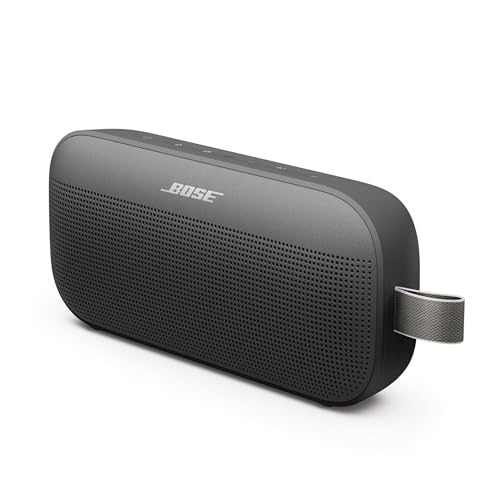
Live listings for the shortlist in this guide are pulled from Amazon below, so prices and availability are always current at the moment you look.







Care, longevity, and living with the fleet
Speakers ask for little maintenance, yet a small amount of attention keeps them pleasant. Fabric grilles collect dust that a soft brush or a vacuum’s upholstery tool lifts away; glossy cabinets show fingerprints that a barely damp cloth erases. Kitchen units benefit from an occasional wipe, because cooking vapour settles on every surface in the room, microphones included. Keeping vents and the top panel clear matters more than any cleaning ritual, since blocked airflow and smothered microphones degrade the two things the speaker exists to do.
Software is the other half of longevity. Updates arrive automatically on most models and occasionally deliver new features, better grouping behaviour, or fixes for problems owners had stopped mentioning. A speaker that has been offline in a cupboard for a year should be allowed to update fully before it is judged, because its behaviour on ancient software says nothing about its current self. Households gifting a used unit onward should factory-reset it, unlink it from their account, and let the next owner enjoy the small ceremony of a fresh setup.
Expectations deserve one last calibration. A voice speaker is a networked computer wearing a grille, and it will occasionally need the patience that description implies: a restart after a router change, a re-linked service after a password update, a group rebuilt after a room is renamed. None of that signals a poor purchase. It signals a product category that trades a little upkeep for a great deal of convenience, and households that accept the trade early tend to remain fond of their systems for years.
So the search ends where it began, in the rooms themselves: a kitchen that answers over the kettle, a lounge that fills with music from two matched cabinets, a bedside unit that keeps its lights low and its microphone honestly switchable, each one chosen for the life that will actually happen around it.


