What's inside
- Key Takeaways
- Quick Picks
- How We Chose These Picks
- What Separates the Six 15.6-Inch Contenders?
- Why Does 15.6 Inches Remain the Default Size?
- Which GPU Tier Should a 15.6-Inch Buyer Target?
- How Much Do Screens Vary Within This One Size?
- How Do You Get a 15.6-Inch Laptop Set Up for Work and Play?
- What Mistakes Are Specific to This Crowded Class?
- Final Recommendation
- An Evening With Each Machine, Honestly Observed
- Work, School and Everything Between the Games
- Cooling Compared: The Class’s Real Hierarchy
- Upgrades and the Second SSD Question
- External Monitors and the Desktop Illusion
- Buyer Profiles, Matched Without Mercy
- Settings Guidance for the Classic Size
- What Ownership Costs Beyond the Price
- Longevity: Which of These Will You Still Like in Year Four?
- A Note on Buying the Previous Season’s Model
- The Sound of the Class: Speakers, Fans and Headsets
- Keyboards and the Numpad Divide
- How the Class Serves Different Game Libraries
- When the Answer Is Not in This Guide
- First-Week Rituals for the Classic Size
- The Resale and Hand-Me-Down Horizon
- A Word About Weight, Since Everyone Asks
- What Separates a Good 15.6-Inch Purchase From a Great One
- The Class in One Sitting: A Buyer’s Speed Round
- And a Last Thought on Refresh Rates
- Ports, Plugs and the Geography of a Desk
- Why This Guide Trusts Temperament Over Tier Lists
- The View From the Other Side of the Purchase
- Frequently Asked Questions
- Related Guides
As an Amazon Associate I earn from qualifying purchases. This post may contain affiliate links at no extra cost to you.
widgetverdict.com is reader-supported. When you buy through links on our site, we may earn an affiliate commission.
Fifteen point six inches is gaming’s home address. It is the size the industry designs for first, the size with the deepest choice and the fiercest competition, and the size most players picture when they close their eyes. Rounding up the best 15.6 gaming laptops therefore means refereeing a crowded field rather than exploring a niche — and one guest needs introducing immediately: Lenovo’s Legion 5a, whose 15.3-inch OLED panel sits a whisker below the class line yet competes so directly with these machines, in size, price and intent, that excluding it on a technicality would serve nobody.
The six machines here span the class’s full personality range: an HX-powered MSI flagship for the size, two RTX 5060 machines with opposite temperaments, the durable TUF, the discreet Victus, and the evergreen Nitro that starts so many gaming lives. Prices and configurations wander, as they always do in this segment, so use the verified links to check price on Amazon and confirm the exact specification of the unit in front of you.
What unites the six is maturity. The 15.6-inch class has been refined for a decade, and even its budget entries now avoid the catastrophic flaws — dreadful screens, single-channel memory traps, cooling that surrenders — that once made shopping here a minefield. The differences that remain are the pleasant kind: emphasis, temperament and taste.
Key Takeaways
- The Katana 15 HX is the performance ceiling here, pairing an HX-class processor with an RTX 5070 for players who want the classic size at full stretch.
- The Legion 5a’s OLED screen outclasses every LCD in this line-up; at 15.3 inches it belongs in any 15.6-inch conversation.
- Lenovo’s LOQ with RTX 5060 is the modern default: current silicon, calm design, no drama.
- The TUF A15 remains the commuter’s answer, and the Victus the household’s diplomat.
- The Nitro V 15 is the class’s starter kit — plainest on day one, easiest to upgrade by year two.
Quick Picks
| Pick | Badge | Why it earns a place |
|---|---|---|
| MSI Katana 15 HX RTX 5070 | Top performance of the six | MSI’s HX processor and RTX 5070 make this the speed pick of the classic size. |
| Lenovo Legion 5a RTX 5060 15.3 OLED | The near-size OLED guest | At 15.3 inches the Legion sneaks into this class and steals the screen crown. |
| HP Victus 15 RTX 4050 Ryzen 7 | Discreet Ryzen all-rounder | HP’s calm design and efficient chip suit homes where the laptop does everything. |
| ASUS TUF Gaming A15 RTX 4060 | The durable sweet spot | ASUS pairs the RTX 4060 with a reinforced chassis for daily carriers. |
| Lenovo LOQ RTX 5060 (2026) | New-gen power, plain clothes | Lenovo’s RTX 5060 LOQ is the modern default in a work-friendly shell. |
| Acer Nitro V 15 RTX 4050 | The upgradeable starter | Acer’s formula remains the easiest first gaming laptop to own and improve. |
How We Chose These Picks
Eligibility centred on the classic footprint: machines built around a 15.6-inch-class display, with the Legion admitted as the acknowledged borderline case because buyers cross-shop it against this class constantly and its panel is marginally smaller rather than categorically different. From a long field we ranked on sustained gaming performance, panel quality, cooling behaviour and ownership temperament, in that order.
Variety was a deliberate criterion. A guide that recommends six near-identical machines teaches nothing, so the final six were chosen to represent the class’s real strategies: maximum performance, maximum screen quality, durability, discretion, modern value, and upgradeable economy. If your priorities match one strategy cleanly, your decision is already made and the detailed sections simply confirm it.
Verification followed the usual discipline — only pool-confirmed listings carry links, and every pick’s specification was checked against its listing rather than its family name, a precaution this class’s sprawling configurations make essential.

MSI Katana 15 HX RTX 5070 — Top performance of the six
MSI builds the Katana 15 HX for buyers who read the HX suffix with recognition. Intel’s HX-class processor brings desktop-leaning core counts and sustained power to a 15.6-inch chassis, and the RTX 5070 beside it is the strongest graphics chip in this guide. Together they chew through the scenarios that separate gaming laptops: sprawling simulation turns, CPU-heavy strategy endgames, streaming while playing, and the heaviest current releases at high settings on the QHD-class panel many listings carry.
The Katana formula keeps its traditional bargain — the shell is practical rather than precious, the styling restrained for a gaming line, and the money visibly spent on silicon and cooling rather than sculpture. The cooling earns its keep: HX chips run hot by design, and MSI gives this one the airflow to sustain its behaviour through marathon sessions rather than showcase bursts. The full keyboard with numpad suits the strategy and productivity crossover crowd perfectly.
Choose the Katana if performance is the brief and the laptop lives mostly at a desk. It is the machine in this guide most likely to still feel fast when the next GPU generation arrives to make everything else feel old.
Key specifications
- Graphics: RTX 5070
- Processor class: Intel HX-series processor
- Display: 15.6-inch display with high-refresh QHD-class panel in many listings
- Memory: 16GB or more of memory depending on listing
- Storage: 1TB SSD in most listings
- Chassis: a practical shell with a full keyboard and numpad
Strengths
- Strongest CPU and GPU pairing in this guide
- Cooling sustains HX-class performance
- Full keyboard with numpad for work and strategy games
Trade-offs
- Practical shell lacks premium theatre
- Size and brick suit desks better than daily commutes
- Fans work audibly when the HX chip stretches
Best for: performance-first players and simulation fans who game mainly at a desk
Not suited for: daily travellers, or buyers who prioritise design and quiet above pace
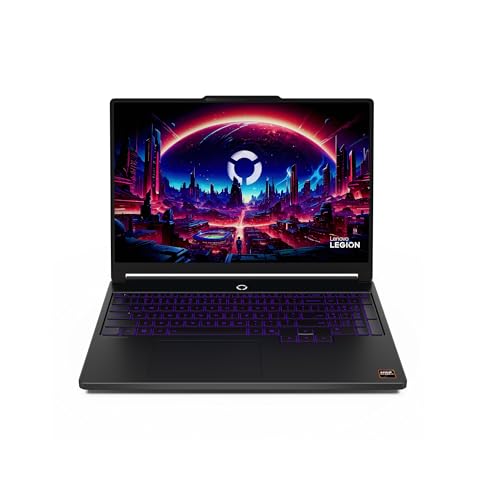
Lenovo Legion 5a RTX 5060 15.3 OLED — The near-size OLED guest
Admit the guest and it promptly steals the evening. The Legion 5a’s 15.3-inch OLED is the finest screen in this guide by a distance that embarrasses the size debate — contrast and colour that make the LCD machines look like they are displaying photographs of the game rather than the game. Its RTX 5060 and Ryzen AI pairing is thoroughly modern, efficient and well cooled in the Legion manner, and the chassis is the most portable here by a clear margin.
Why include a 15.3-inch machine in a 15.6-inch guide? Because shoppers do. The two sizes sit side by side in every retailer’s listings, the physical difference is a few millimetres of bezel and a slightly smaller footprint, and the Legion’s panel advantage is large enough that any honest 15.6-inch roundup must reckon with it. Consider it the class’s control group: the machine that shows what the others are trading away for their extra millimetres.
If screen quality and portability top your list, stop reading rankings and buy the guest. The class’s hosts are excellent; the guest is beautiful.
Key specifications
- Graphics: RTX 5060
- Processor class: AMD Ryzen AI processor
- Display: 15.3-inch OLED display with OLED panel with fast response in typical listings
- Memory: 16GB or more of memory depending on listing
- Storage: 512GB SSD or larger depending on listing
- Chassis: a slim metal-leaning chassis with strong cooling for its size
Strengths
- OLED panel in a class of its own here
- Most portable chassis in the guide
- Modern, efficient RTX 5060 performance
Trade-offs
- Slightly smaller screen than the class standard
- OLED asks for basic panel-care habits
- Premium positioning beside larger rivals
Best for: screen-led buyers who want near-15.6 size with far better image quality and portability
Not suited for: anyone chasing the absolute biggest panel or peak performance

HP Victus 15 RTX 4050 Ryzen 7 — Discreet Ryzen all-rounder
The Victus returns in this guide wearing its Ryzen configuration, and the repetition across categories is itself a finding: this is simply one of the most liveable mainstream gaming laptops made. The Ryzen 7’s efficiency flatters daily life — quiet light-load behaviour, respectable unplugged stretches for work — while the RTX 4050 covers 1080p gaming with the help of sensible settings and upscaling.
Its design remains the diplomat’s: nothing about the shell announces gaming, the keyboard is calm under the fingers, and HP’s software footprint stays out of the way. Cooling tuned for civility rather than records keeps shared rooms peaceful. Against the Katana it concedes performance cheerfully; against the LOQ it trades a GPU generation for a lower-key personality and, often, a friendlier listing.
Households buying one laptop for everything — school, work, streaming, games — should start here and only move up the guide if a specific appetite (OLED, HX power, reinforced travel) genuinely applies.
Key specifications
- Graphics: RTX 4050
- Processor class: AMD Ryzen 7 processor
- Display: 15.6-inch 144Hz-class panel in the common configuration
- Memory: 16GB in most retail listings
- Storage: 512GB SSD in most listings
- Chassis: a restrained shell that looks at home outside a gaming room
Strengths
- Ryzen efficiency suits all-day mixed use
- Design fits any room without explanation
- Civilised noise and thermals for shared homes
Trade-offs
- RTX 4050 is the modest GPU of this group
- Panel is fast rather than beautiful
- Conservative tuning leaves peak performance unused
Best for: families sharing a single discreet machine across work, study and evening play
Not suited for: benchmark hunters who judge everything by one flagship title

ASUS TUF Gaming A15 RTX 4060 — The durable sweet spot
The TUF A15’s RTX 4060 configuration is the class’s insurance policy written in hardware. The GPU is the value champion of its generation, the chassis is reinforced against the commute, and the platform’s maturity means every quirk is documented and every driver stable. Students who will carry a laptop for four years and game on it for the same four years are this machine’s natural constituency.
Daily life with the TUF is defined by low anxiety: cooling with headroom, a deck that stays composed, and a build that shrugs at the knocks of bags and benches. The styling remains assertively angular, the battery is a lectures-not-expeditions affair, and the screen is competent rather than inspiring — the familiar TUF ledger, balanced as ever toward survival.
Buy it when the laptop must last physically as long as it lasts computationally. In a class where hinges and heat kill more machines than obsolescence does, that is a profound advantage.
Key specifications
- Graphics: RTX 4060
- Processor class: AMD Ryzen processor
- Display: 15.6-inch, high-refresh in the usual spec
- Memory: 16GB fitted as standard
- Storage: 512GB SSD fitted as standard
- Chassis: a reinforced chassis with military-standard durability claims
Strengths
- RTX 4060 delivers strong, efficient 1080p play
- Reinforced chassis built for years of carrying
- Mature platform with stable, known behaviour
Trade-offs
- Angular styling is not for everyone
- Battery life is merely adequate
- Screen quality trails the Legion’s OLED by a wide margin
Best for: students and commuters who need one machine to survive years of travel and play
Not suited for: buyers for whom screen quality or sleek design leads the decision

Lenovo LOQ RTX 5060 (2026) — New-gen power, plain clothes
If the class has a default answer for this model year, it is the LOQ with RTX 5060. Lenovo pairs the newest mainstream GPU with its best budget keyboard, rear-exhaust cooling that respects your mouse hand, and styling so sober the machine could attend a job interview. Performance is thoroughly current — frame generation, efficient silicon, high-refresh 1080p play at strong settings — delivered without a single light bar.
The compromises are the honest budget ones: a panel chosen for speed over colour, a sizeable brick, materials that feel practical rather than plush. None of them touches the core experience, and the LOQ’s firmware gives owners unusually grown-up control over fan behaviour for shared spaces. It is the machine least likely to be regretted by the widest range of buyers, which is what default answers are for.
Choose it if you want this generation’s technology in the class’s most sensible suit, and let the specialists above and below argue about extremes.
Key specifications
- Graphics: RTX 5060
- Processor class: modern Intel or AMD processor options
- Display: 15.6-inch high-refresh panel in the common configuration
- Memory: 16GB DDR5 at the usual spec
- Storage: 512GB SSD at the common spec
- Chassis: a full-size chassis with rear and side ports
Strengths
- Current RTX 5060 with frame-generation support
- Excellent keyboard and rear-exhaust cooling
- Sober design suits work and shared spaces
Trade-offs
- Panel prioritises refresh over colour richness
- Power brick adds bag weight
- Materials are practical rather than premium
Best for: buyers wanting modern performance in a calm, versatile everyday machine
Not suited for: buyers seeking OLED beauty or reinforced travel durability

Acer Nitro V 15 RTX 4050 — The upgradeable starter
The Nitro V 15 closes the guide as it has closed a thousand shopping lists: the accessible, upgradeable, thoroughly understood first gaming laptop. Its RTX 4050 and fast panel cover the fundamentals, its Intel processor keeps daily work snappy, and its chassis opens easily for the storage upgrade that most owners perform within two years — an upgrade that transforms the machine’s usefulness more than any rival’s cosmetic advantage.
Expect the budget ledger in full: plastic that feels like plastic, speakers that point at the desk, fans that narrate heavy scenes. Also expect a machine that never confuses its owner, supported by the largest community knowledge base in the class. First-time buyers learn gaming laptops on Nitros the way drivers once learned on a handful of forgiving cars, and the analogy holds: everything after feels easier because the Nitro taught you the controls.
Buy it to start, to learn, and to upgrade — or buy it because its price leaves room for the monitor and headset that complete a first setup. Either way it earns its place in the classic size’s story.
Key specifications
- Graphics: RTX 4050
- Processor class: Intel Core processor
- Display: 15.6-inch panel in the 144Hz class as typically sold
- Memory: 16GB DDR5 in the common configuration
- Storage: 512GB SSD in the common configuration
- Chassis: a compact budget shell with a gamer-leaning lid
Strengths
- Accessible entry to the class with easy upgrades
- Huge community knowledge and parts availability
- Fast panel and capable mainstream performance
Trade-offs
- Materials and speakers are plainly budget-grade
- Fans are audible under load
- RTX 4050 trails the guide’s newer GPUs
Best for: newcomers to PC gaming and owners planning a storage upgrade later
Not suited for: buyers wanting premium feel or the newest silicon
What Separates the Six 15.6-Inch Contenders?
The classic size contains multitudes, and this table is the map: performance at the top, temperament all the way down. Match the standout column to your own priorities and the ranking writes itself.
| Model | Graphics | Screen | Standout point |
|---|---|---|---|
| MSI Katana 15 HX RTX 5070 | RTX 5070 | 15.6-inch display | HX power and RTX 5070 ceiling |
| Lenovo Legion 5a RTX 5060 15.3 OLED | RTX 5060 | 15.3-inch OLED display | OLED brilliance, compact frame |
| HP Victus 15 RTX 4050 Ryzen 7 | RTX 4050 | 15.6-inch display | Calm all-round household duty |
| ASUS TUF Gaming A15 RTX 4060 | RTX 4060 | 15.6-inch display | Durability with a sweet-spot GPU |
| Lenovo LOQ RTX 5060 (2026) | RTX 5060 | 15.6-inch display | Modern default in plain clothes |
| Acer Nitro V 15 RTX 4050 | RTX 4050 | 15.6-inch display | Starter machine that grows with you |
Why Does 15.6 Inches Remain the Default Size?
Because it is the engineering sweet spot where everything fits: a full keyboard, sometimes a numpad; cooling with room to breathe; batteries of useful size; and panels produced in such volume that quality is high and prices sane. Manufacturers prototype here first, reviewers benchmark here most, and accessory makers — bags, sleeves, stands — assume this footprint before any other. Choosing the classic size means choosing the deepest market in gaming laptops, with all the competition benefits that depth creates.
The size also splits the lifestyle difference perfectly. It is large enough to be a desktop replacement at home and small enough to be a genuine portable, which is why so many owners never seriously consider another diagonal again.
Which GPU Tier Should a 15.6-Inch Buyer Target?
The RTX 5070 in the Katana is the stretch goal — worth it for players of demanding titles who keep machines longest. The RTX 5060 pair represents the modern mainstream, with frame generation extending their reach. The RTX 4060 TUF is the value connoisseur’s tier, and the RTX 4050 machines remain honest 1080p tools when their other virtues — price, discretion, upgradeability — lead your decision.
Above all, remember wattage: in this class, chassis differ enough that a well-fed lower GPU can shadow a starved higher one. Cooling design, covered in every pick above, is the tell.
How Much Do Screens Vary Within This One Size?
Enormously — more than any other component. The Legion’s OLED sits at one pole; fast, basic LCDs at the other; and a spectrum of brightness and colour quality between them decides daily pleasure more than the GPU tier does for many owners. If you take one discipline from this guide, let it be reading the panel line of any listing as carefully as the graphics line. A 15.6-inch laptop is, in the end, a screen you occasionally carry — buy the screen.
How Do You Get a 15.6-Inch Laptop Set Up for Work and Play?
Exploit the size’s versatility deliberately. At the desk, give it a stand, an external keyboard if you type for hours, and the monitor connection it deserves; in the bag, strip it to the machine, the brick and a mouse. Save two performance profiles — one civilised for shared and working hours, one unrestricted for plugged-in evenings — and let the manufacturer’s app switch between them so the laptop’s personality matches the room it is in.
Then perform the class’s rite of passage: check the display’s refresh rate in Windows, because these machines still occasionally ship displaying a lower rate than their panels support, and update the graphics driver before installing your library. Twenty minutes of setup converts a good purchase into a configured tool.
What Mistakes Are Specific to This Crowded Class?
Configuration confusion is the endemic disease: the same model name spans GPUs, panels and memory totals that belong in different guides entirely. Buy the specification table, never the name. Second is assuming the newest GPU badge wins regardless of cooling; the Katana and LOQ earn their performance through airflow as much as silicon. Third is forgetting the numpad question — the Katana and Nitro include one, the Legion and LOQ layouts differ — which matters enormously to spreadsheet and strategy players and not at all to everyone else.
The final mistake is analysis paralysis, this class’s special tax. Six good machines are reviewed above; the cost of a month spent choosing between them exceeds the difference between any two.
Final Recommendation
Performance seekers: the Katana 15 HX, without hesitation. Screen lovers and travellers: the Legion 5a, whose OLED justifies its guest invitation many times over. The modern default for everyone else is the LOQ RTX 5060, with the TUF A15 for daily carriers, the Victus for households that value calm, and the Nitro V 15 for first-time buyers who want a machine that grows with them.
The classic size earned its crown by accommodating every kind of player. Whichever of these six matches your temperament, you are buying into the most refined, best-understood class in gaming laptops — a safe pair of hands, at exactly the size where the industry does its best work.
An Evening With Each Machine, Honestly Observed
The Katana’s evening begins with intent. The HX processor shrugs at the alt-tabbed browser, the stream, the voice server and the game simultaneously, and the RTX 5070 renders the night’s most demanding scenes without the settings negotiations lesser machines schedule. By midnight the fans have told the room a long story about physics, but the frame rates never once joined the conversation. It is the evening of a player who treats performance as the hobby’s foundation and builds everything else on top.
The Legion’s evening is the one guests remember. Someone glances at the screen during a dusk race or a neon city scene and asks, genuinely, whether it is a television. The OLED does that. Between matches the machine returns to being a slim, quiet laptop that would not embarrass a studio apartment, and its owner enjoys the double life without ever quite saying so.
A Victus evening is defined by what does not happen: no complaints from the next room, no explanations to family, no heat on the wrists during the long strategy session on the sofa. The Ryzen chip meters out its efficiency, the game runs at settings chosen once and forgotten, and the laptop behaves like household infrastructure — which, for the homes it serves, is the highest praise available.
The TUF’s evening starts wherever the day ended — a library desk, a site office, a friend’s floor — because the machine arrived there in a bag without ceremony or damage. It plays with the steadiness of a metronome, its cooling headroom absorbing the warm room and the long session alike, and it will make the same journey tomorrow. Durability is a boring virtue until the first time a lesser hinge fails; TUF owners tend to be people who have lived that paragraph.
The LOQ’s evening is the modern mainstream at its best: a new release running beautifully at high settings, frame generation smoothing the heavy districts, a keyboard that makes the between-game chat a pleasure, and a silhouette that lets the machine live on the kitchen table without dominating it. It is the evening most buyers are actually shopping for, whether or not they know it yet.
The Nitro’s evening belongs to the beginner and the tinkerer, who are so often the same person six months apart. The games run, the panel keeps up, the fans announce themselves honestly, and somewhere in month two the owner opens the bottom panel, adds storage, and feels the particular pride of a machine improved by their own hands. No other pick in this guide offers that rite of passage so readily.
Work, School and Everything Between the Games
Classic-size laptops lead double lives more than any other class, and the six divide the day job differently. The Katana’s numpad and processor muscle court the spreadsheet-and-simulation professional. The Legion’s screen flatters anyone whose work is visual, and its size flatters anyone whose work involves trains. The LOQ’s keyboard is the typist’s choice of the group; the Victus’s discretion is the office’s; the TUF’s build is the field worker’s; the Nitro’s price is the student’s.
All six share the class’s baseline competence: documents, research, video calls and media are trivially handled, and none will be the reason a deadline is missed. The differences are texture — how the machine feels across a thousand small interactions — and texture is precisely what a buyer should sample in person when a shop allows it. Ten minutes with a keyboard teaches more than ten reviews, including this one.
Battery expectations should be set by class, not by hope: a working stretch of light tasks for all, longest in the Ryzen Victus and the efficient Legion, shortest when the Katana’s HX heart is awake. Sockets remain the gaming laptop’s natural habitat, and the classic size’s bricks are sized accordingly.
Cooling Compared: The Class’s Real Hierarchy
If this guide were allowed only one ranking, it would rank cooling, because cooling is what converts a specification into an evening. The Katana’s system has the hardest job — an HX processor and a 5070 — and the most hardware devoted to it, and it succeeds at the cost of volume. The LOQ and Legion achieve the class’s best balance of temperature and manners, their designs exhausting heat away from the user’s hands. The TUF’s headroom shows in consistency rather than silence; the Victus chooses calm by limiting ambition; the Nitro works hardest relative to its price and lets you hear the effort.
Owners can move any of these machines one rung up that hierarchy with kindness: a stand, clear vents, a room below sauna conditions. They can move one down just as easily with a bed, a blanket and a blocked intake. The classic size forgives more than smaller classes do, but it keeps accounts.
Upgrades and the Second SSD Question
Game libraries grow at a rate that embarrasses launch-day storage choices, and this class’s saving grace is that most of its chassis welcome a second drive. The Nitro makes the ritual easiest, the TUF and Katana are close behind, and even the slimmer Legion and LOQ generally accommodate expansion better than their silhouettes suggest — though in every case the listing and the manufacturer’s manual for your exact model are the authority, not a stranger’s teardown of a cousin configuration.
Memory follows the same moral: sixteen gigabytes today, an accessible path to more tomorrow, is worth more than a fixed larger amount in a sealed machine you cannot open. When two listings differ only in storage or memory, buy the one whose limitation you can fix later — which is usually the smaller SSD — and bank the difference for the upgrade you will actually perform.
External Monitors and the Desktop Illusion
Docked to a good monitor, the stronger machines here — Katana, Legion, LOQ — sustain the full desktop illusion: 1440p play, a big canvas for work, peripherals that never move. The class’s size helps; there is room for the ports, and the cooling does not depend on the lid’s angle the way some smaller designs do. The RTX 4050 pair drives 1080p external panels happily and should be matched to them rather than to 4K ambitions.
The practical detail is the cable path: confirm which port on your chosen model carries the display signal with the fewest compromises, buy one certified cable, and set the external panel’s refresh rate deliberately in Windows. Setups fail socially, not technically — a flickering hub or a 60Hz oversight convinces owners their laptop is weak when only the plumbing is.
Buyer Profiles, Matched Without Mercy
The simulation devotee — flight models, city builders, grand strategy at turn four hundred — should not be browsing: the Katana’s processor exists for them, and every other pick is a compromise they will feel in the late game. Buy the HX machine, feed it memory as the years demand, and accept the fan’s narration as the sound of arithmetic.
The aesthete with a commute should not be browsing either: the Legion is the only machine here that satisfies the eye and the bag simultaneously, and its RTX 5060 is ample for every library that is not a benchmarking hobby. The aesthete without a commute, meanwhile, should look honestly at whether a larger OLED machine elsewhere serves them better — this guide’s loyalty is to the reader, not the diagonal.
The parent, the partner, the flatmate-conscious buyer: the Victus. The student with a four-year horizon and a daily walk: the TUF. The mainstream player who wants this year’s technology without a personality transplant: the LOQ. The beginner whose budget must also buy the games: the Nitro, whose savings convert directly into a library. Six profiles, six answers, and the pleasant discovery that the class’s crowding is a feature — somewhere in it is a machine shaped like your life.
Settings Guidance for the Classic Size
At 1080p on these panels, the modern recipe is stable across the six: textures high, upscaling at quality, ray tracing rationed to the titles and GPUs that flatter it — the Katana most, the RTX 4050 pair least — and a frame cap a breath below the panel’s maximum for single-player smoothness. The Legion’s OLED adds one instruction: enable HDR in the games that offer it and calibrate it once, properly, because that panel can show what the others merely describe.
Competitive players should invert the recipe without sentiment: detail down, latency modes on, caps high, and the panel’s full refresh verified in two places — the manufacturer’s app and Windows — because this class still hides its speed behind defaults often enough to matter.
What Ownership Costs Beyond the Price
Budget a little beyond the laptop, whoever you are. A sleeve or bag insert sized for the class, a mouse worthy of the panel, and eventually the second SSD are the predictable companions; a headset joins them for anyone in a shared home. The Nitro’s buyer meets these costs soonest and smallest; the Katana’s buyer meets them with a larger charger bag and a stand worthy of the machine’s desk ambitions. None of it is hidden, all of it is plannable, and planning it is the difference between a purchase and a setup.
Longevity: Which of These Will You Still Like in Year Four?
Year four separates purchases into the kept and the tolerated. The kept share traits visible today: a screen that never became an eyesore, cooling that never became a roar, a chassis that never became a wobble, and performance headroom that absorbed the years’ heavier games. By those lights the Katana ages on performance, the Legion on its panel, the TUF on its constitution, and the LOQ on its balance. The Victus and Nitro age as honest tools — their owners’ expectations were calibrated at purchase, which is its own form of longevity.
The intolerant-making faults are equally predictable: a dim screen resented daily, a hinge loosening monthly, storage anxiety weekly. Notice that none of them is a frame rate. Buy against the daily irritations and the years take care of themselves.
A Note on Buying the Previous Season’s Model
This class’s depth creates a shadow market of last season’s configurations at persuasive prices, and it deserves a fair hearing. A previous-generation 15.6-inch machine with a strong GPU, a good panel and a full warranty can be the smartest money in the entire category — the TUF’s RTX 4060 configuration is practically the standing example of mature value. The discipline is to compare against the current listings with the same checklist: panel first, GPU wattage second, memory and storage third, and the badge last. Nostalgia for a famous nameplate is not a specification, and neither is fear of last year’s silicon.
The Sound of the Class: Speakers, Fans and Headsets
Speaker quality in this class ranges from the Legion’s respectable pair — adequate for video, casual music and game audio in a pinch — down to units that exist mainly to confirm that sound is occurring. None replaces a headset for competitive awareness or a shared room’s peace, and the wisest accessory budget in this entire guide remains a modest headset bought early. Fan noise, meanwhile, is the class’s true soundtrack: present in all six, composed in the Legion and LOQ, forthright in the Katana and Nitro, and everywhere more tolerable through a stand and a sensible profile than through any setting buried in a forum post.
One underappreciated check during the return window is coil whine — the faint electrical chirping some units produce under particular loads. It is harmless, uncommon, and maddening to the minority who can hear it in a silent room. Your first week, in your quietest space, is when to discover whether your unit sings; exchanges exist for this.
Keyboards and the Numpad Divide
This class contains the guide’s widest keyboard variety. The LOQ and Legion offer the best typing feel, their decks firm and their travel generous. The Katana and Nitro include numpads that data-heavy users prize and competitive players ignore. The TUF and Victus sit in the comfortable middle, their boards unremarkable in the best sense — nothing to learn, nothing to forgive.
Backlighting follows price: single-zone calm in the mainstream, per-key theatre at the top. Judge it by your rooms rather than by photographs; a dim bedroom values any backlight, while a lit office values none. And remember that every one of these decks yields to an external keyboard at a desk, which is why keyboard feel should rank below screen and cooling for desk-bound buyers and above them for travellers.
How the Class Serves Different Game Libraries
Esports libraries flatter everyone here; the panels are fast, the GPUs are beyond sufficient, and the deciding factors become keyboard, network port and the player’s own peripherals. Story-driven libraries flatter the Legion’s screen and the Katana’s headroom, in that order — beauty first, then the muscle to sustain it. Simulation libraries belong to the Katana’s processor and to whichever machine the owner has fed the most memory. Backlog libraries — the decade of classics most of us actually play — flatter the value picks, whose GPUs are overqualified for history and whose savings buy more history.
That last point deserves emphasis, because guides rarely make it: the average player’s library is mostly older games, and a machine bought for the average library rather than the launch-day showcase is a machine bought wisely. The Victus and Nitro are not consolation prizes in that light; they are correctly sized answers to the most common question.
When the Answer Is Not in This Guide
Step outside these six when your needs leave the class’s centre: when portability is measured in flights per month, the smaller machines elsewhere in this project deserve your attention; when the laptop will never leave a desk and screen size is the joy itself, the larger class beckons; when silence is a hard requirement, no gaming laptop is the answer and a desktop is. Knowing when a guide does not apply is part of using it well, and the classic size’s very centrality means its borders are well marked. Most players, though, live inside those borders — which is, for the final time, why 15.6 inches wears the crown.
First-Week Rituals for the Classic Size
Week one with any of these machines should follow the same calm liturgy. Day one belongs to updates and verification: the specification checked against the listing, the panel inspected against dark and bright screens, every port introduced to a real device. Day two belongs to the desk — stand positioned, cable path settled, profiles created for work and play. Somewhere in the first weekend belongs the long session: your heaviest game, your warmest room, two uninterrupted hours, while the return window stands wide open.
Owners who perform this liturgy rarely meet their machine’s faults as surprises in month four. They also report a subtler benefit: the laptop becomes theirs faster, its quirks catalogued and forgiven or exchanged while forgiveness is cheap. The classic size’s maturity means the ritual is quick — these are known machines with known behaviours — but maturity is not a reason to skip it. It is the reason it works.
The Resale and Hand-Me-Down Horizon
Few technology purchases hold a second act like a good 15.6-inch gaming laptop. The size is the market’s lingua franca: every future buyer understands it, searches for it, and can picture it on their desk. Legion, TUF, Katana and LOQ nameplates carry recognition that converts directly into a quick, fairly priced sale or a delighted hand-me-down recipient, and the Nitro’s ubiquity gives it a permanent floor of demand.
Preserve that future with the cheap rituals — box kept, charger original, exterior wiped before photographs, battery health reported honestly. The machine you sell well in year four is the machine you bought well today, and the classic size makes both transactions easier than any other in this guide’s wider family.
A Word About Weight, Since Everyone Asks
The classic size spans a meaningful range of heft, from the Legion’s travel-friendly figure to the Katana’s desk-leaning presence, with the brick adding its own vote to every journey. Judge weight by your calendar rather than by absolutes: a machine carried twice a year can be any weight it likes, while a machine carried twice a day should be auditioned with its charger in your actual bag, on your actual shoulder, before the return window closes. Manufacturers’ figures exclude the brick with suspicious consistency; your shoulder will not.
Desk-bound buyers should invert the concern entirely. Weight at a desk is stability, cooling volume and a hinge that does not wobble when the table is bumped — the Katana’s presence is a feature in its natural habitat. The class’s genius is that it contains both philosophies at one diagonal, and the only error is buying one while living the other.
What Separates a Good 15.6-Inch Purchase From a Great One
The specification, remarkably, is the smaller half. The greater half is fit: the machine’s size against your desk, its noise against your household, its keyboard against your hands, its screen against your eyes at your lighting. Great purchases in this class are the ones where the owner can name the trait they prioritised — the Katana’s muscle, the Legion’s panel, the TUF’s constitution — and good purchases are merely the ones where nothing is wrong. Both are available here in abundance, which is the class’s final kindness.
So decide your trait before you decide your model. Write it in a sentence, the way this guide has written six of them, and let the sentence do the shopping. The buyer who knows they are purchasing calm, or spectacle, or survival, does not drift toward the wrong machine under the pressure of a countdown timer — and this crowded, competitive, wonderful class rewards that clarity more than any other in gaming laptops.
The Class in One Sitting: A Buyer’s Speed Round
Imagine the six lined up on a table and a friend demanding the summary before the shop closes. The Katana is the athlete, all processor and graphics, happiest under the heaviest load you own. The Legion is the artist, its OLED making every other screen at the table look like a photocopy. The Victus is the diplomat, welcome in every room and fluent in every task. The TUF is the soldier, built for the journey and unbothered by it. The LOQ is the professional, modern and composed, dressed for the office and ready for the evening. The Nitro is the apprentice, cheapest to hire and quickest to teach, growing into the role with every upgrade its owner performs.
Notice that none of those summaries mentions a benchmark. That is deliberate, and it is the guide’s closing argument: at the classic size, with the class this mature, you are choosing a character to live with. Choose the character whose company your days will enjoy.
And a Last Thought on Refresh Rates
Every panel in this guide is fast by the standards of a few years ago, and the differences among them matter mostly to the competitive minority. For everyone else, brightness and colour will decide daily happiness long after the refresh figure is forgotten, which is why this guide keeps returning to the Legion’s OLED as the class’s luxury and to panel inspection as the buyer’s first duty. Speed is a specification; a beautiful image is an experience, and experiences are what remain in memory when the machine is four years old and the benchmarks are archaeology.
Check the refresh rate once, set it correctly, and then go back to judging screens with your eyes. They were the intended instrument all along.
Ports, Plugs and the Geography of a Desk
The classic size’s chassis room buys a practical luxury smaller classes ration: ports on multiple sides, a wired network jack on several of these machines, and room for the charger, the monitor and the peripherals to coexist without a hub’s diplomacy. Arrange them once with intent — charger and display at the back where the cables can fall away, the mouse receiver where it will live permanently, one front-facing port kept free for the temporary guests of drives and controllers — and the desk stays as calm as the Victus’s styling.
It is a small paragraph about a small thing, and it is the kind of small thing that decides whether a setup feels designed or accumulated. The classic size lets you design. Take the ten minutes.
Why This Guide Trusts Temperament Over Tier Lists
Tier lists rank machines; lives rank experiences. The six laptops above will all be called excellent and inadequate somewhere on the internet this week, by owners whose rooms, libraries and journeys differ from yours. The defence against that noise is the method this guide has used throughout: define your strategy — performance, beauty, durability, calm, modernity or growth — and let the strategy choose. A Katana bought by a traveller is a worse laptop than a Legion bought by the same person, and no benchmark will ever record the fact. Your calendar will.
The View From the Other Side of the Purchase
Owners looking back at this decision from a year later rarely talk about the specification they chose; they talk about the evenings. The Katana owner remembers the expansion that ran flawlessly. The Legion owner remembers showing a friend a night race. The TUF owner remembers the drop that did not matter. The Victus owner remembers never thinking about the laptop at all, which was the point. Buy the evening you want to remember, and the specification will have been right by definition.
Frequently Asked Questions
Why is a 15.3-inch laptop in a 15.6-inch guide?
Because buyers cross-shop the Legion 5a against this class constantly, its footprint differs by millimetres, and its OLED panel is the best screen among the machines considered. Excluding it would have made the guide tidier and less useful.
Is the RTX 5070 Katana overkill for 1080p gaming?
For today’s esports and mainstream titles, comfortably more than enough; for the heaviest releases and for owners who keep laptops four or five years, it is headroom you will eventually use. Its HX processor also serves simulation and productivity loads that humbler chips feel.
Which of these is best for a student?
The TUF A15 for durability across a degree, the Victus for shared-house calm, and the Legion if the budget stretches and the laptop doubles as the entertainment screen. All three carry well and behave in libraries.
Can these laptops handle 1440p gaming?
On external monitors, the Katana, Legion and LOQ handle it enjoyably in most titles with upscaling; the TUF follows closely. The RTX 4050 pair is happiest at 1080p, whether on the internal panel or outside it.
How important is a numpad on a gaming laptop?
Entirely personal. Strategy, simulation and spreadsheet users often consider it essential — favouring the Katana or Nitro layouts — while competitive players rarely touch it and may prefer the centred keyboards of the Legion or LOQ.
Related Guides
The classic size sits between two tempting neighbours, and the guides below explore both — the travellers’ 14-inch class and the big-screen 17-inch world. best 14-inch gaming laptops for travellers best 17-inch gaming laptops for big-screen play best gaming laptops at the twelve-hundred tier.
There is comfort in buying the size the whole industry agrees on: parts will exist, advice will abound, bags will fit, and your machine will be understood by every technician and future buyer it ever meets. Add the right temperament from the six above and the classic size stops being the default choice and becomes, simply, the correct one.
One closing mercy for the undecided: in a class this mature, the difference between your first and second choice is smaller than the difference between buying and endlessly browsing. Pick the temperament, place the order, and spend the saved month playing — the hobby you were shopping for in the first place.
And if the evening you want involves a sofa, a controller and the television across the room, remember that every machine here drives that screen happily through a single cable. The classic size is as comfortable in the living room as at the desk — one more reason it became the default, and one more evening it can offer you.
Choose once, choose by temperament, and let the classic size do what it has done for a decade of players: disappear into the game, night after night, without ever asking to be thought about.
That disappearance — of the machine, the noise, the worry — is the true product on sale in this entire guide, in six flavours.
Pick the flavour your evenings call for, verify the listing in front of you one careful time, and welcome home the size that gaming grew up in.
The table is set, the class is deep, and your next favourite evening is now one good, well-checked, confidently placed decision away from your desk and your very favourite chair at home tonight, ready when you are.
Fifteen point six inches is where gaming laptops grew up — pick the temperament that matches yours, and the classic size will take care of everything else.