What's inside
- Key Takeaways
- Quick Picks
- How Did We Choose Laptops That Can Survive Both a Degree and a Game Library?
- What Specification Matters Most Across Four Years of College?
- How Should a Student Actually Balance Gaming and Study on One Machine?
- Which Laptops Handle Lectures by Day and Lobbies by Night?
- What Should Students Check in the First Week of Owning a College Gaming Laptop?
- How Much Should a Student Actually Spend on a College Gaming Laptop?
- What Software Setup Serves Both Coursework and Gaming?
- How Do You Choose Between These Six as a Real Student?
- What Happens to a College Gaming Laptop After Graduation?
- What Do Students Actually Argue About After a Term With These Machines?
- The Freshers Week Test Every Buyer Should Run Mentally
- How Do the Six Picks Compare Side by Side?
- What Mistakes Do Students Make When Buying a Gaming Laptop for College?
- Final Recommendation
- Frequently Asked Questions
- Related Guides
As an Amazon Associate I earn from qualifying purchases. This post may contain affiliate links at no extra cost to you.
widgetverdict.com is reader-supported. When you buy through links on our site, we may earn an affiliate commission.
A college laptop leads a double life that no other machine is asked to live. It takes notes in a silent library at nine, runs a group project’s spreadsheets at noon, survives being shoved into a backpack between lectures, and then — in a dorm room at ten — it is supposed to become a gaming rig that keeps up with friends on machines bought for nothing else. This guide to the best college and gaming laptops takes both halves of that life seriously, because a laptop that only games will fail the degree, and a laptop that only studies will fail the evenings that make college memorable.
Where to buy: the six machines below link to listings verified for processor, graphics, memory, storage and display, so the configuration in each analysis is the configuration on sale. Two figures deserve a second look before you order any of them: memory, because 8GB configurations appear in this list and will age fastest in a degree-length ownership, and storage, because a game library and a coursework archive compete for the same drive for four years. Where a pick has a lean figure, the analysis says so plainly and weighs it against the price.
The shortlist spans the realistic student budget arc: an affordable Acer and two HP Victus models at the entry end, a Lenovo Legion and an ASUS Strix at the aspirational end, and one elderly MSI that earns its place only at a leftover-stock price. What unites them is balance — enough GPU for genuine 1080p gaming, processors that laugh at coursework, screens suited to both essays and matches, and builds that can survive a backpack. Each analysis judges its machine as a student first and a gaming rig second, which is the order a degree will impose anyway.
Key Takeaways
- The Acer Nitro V is the value anchor: a modern RTX 4050 platform at a student-friendly level, with 8GB of memory as its main caveat.
- The two HP Victus models split by memory — the 16GB configuration is the one to prefer for a full degree.
- The Lenovo Legion 5a brings an OLED WQXGA screen and 32GB of memory for students who also create and edit.
- The ASUS ROG Strix G16 is the performance ceiling here, best for esports players and computing-heavy courses.
- The MSI GF65 Thin only makes sense at a clear leftover-stock discount, where its lightness suits small dorm desks.
- For a four-year degree, memory and warranty matter more than one GPU tier — buy the configuration you will not outgrow.
Quick Picks
| Pick | Badge | Why it earns its place |
|---|---|---|
| Acer Nitro V (Core i5, RTX 4050) | Best value for most students | A modern RTX 4050 gaming platform at an entry price, with memory as the one figure to watch. |
| Lenovo Legion 5a (2026) | Premium all-degree powerhouse | An OLED WQXGA screen, RTX 5060 and 32GB of memory for students who create as well as play. |
| HP Victus 15 (Core i5-12450H, 16GB) | Balanced 16GB student staple | The Victus formula with the degree-friendly memory figure, Wi-Fi 6 and a backlit keyboard. |
| ASUS ROG Strix G16 (2025) | Performance ceiling for serious players | A Core i7-14650HX and RTX 5060 with a fast 16-inch screen, for esports and heavy courses. |
| HP Victus Gaming 15 (Core i5-13420H, 8GB) | Newer CPU, lean memory | A fresher Intel processor and RTX 3050 at a keen level, with 8GB of memory as the trade. |
| MSI GF65 Thin 10UE | Lightweight leftover — price decides | A thin RTX 3060 machine that suits small desks, but only at a clear discount to modern picks. |
How Did We Choose Laptops That Can Survive Both a Degree and a Game Library?
Coursework competence was assumed, then checked: every processor here handles documents, browsers, video calls, coding environments and the statistical or design tools of most degrees without drama, so selection moved to the differentiators. Memory came first, because it decides whether a machine feels fast in year three or merely in month three, and it is why the 16GB and 32GB configurations are praised wherever they appear and the 8GB ones carry explicit warnings. Storage came second, for the same longevity reason, with 1TB configurations favoured for students who will accumulate games, media projects and coursework simultaneously.
Gaming credibility was the second gate: a discrete RTX GPU in every pick, capable of real 1080p play with DLSS, because a college gaming laptop that cannot actually game is just a laptop. Screens were judged for both lives — high refresh for matches, adequate brightness and colour for long reading and any design coursework. Portability was weighted honestly rather than absolutely: a 16-inch machine is a fine choice for a student whose gaming happens at one dorm desk, and a poor one for a student crossing a sprawling campus six times a day, so the analyses name which student each size suits.
Value across a degree framed every judgement. A cheap machine replaced in year two costs more than a mid-priced machine that lasts four years, so we favoured configurations with headroom and treated the one previous-generation pick — the MSI GF65 — as a price-dependent exception rather than a peer of the modern machines. Battery comments stay qualitative, as listings rarely substantiate hour figures, and students should plan around chargers in libraries regardless of model.
What Specification Matters Most Across Four Years of College?
Memory is the specification students most often underbuy and most bitterly regret. Eight gigabytes runs a first-year workload of documents and browsers acceptably, then a second-year combination of a statistics package, forty tabs, a video call and a game launcher turns the same machine sluggish — not because the processor aged, but because the memory ceiling was always there. Sixteen gigabytes is the comfortable degree-proof figure, and the 32GB configurations in this guide are for students whose courses add editing, virtual machines or serious multitasking. Where a pick lists 8GB, treat a future upgrade as part of the plan and confirm the machine allows one.
Storage runs a close second. Modern games are enormous, coursework accumulates, and phones back up somewhere — a 512GB drive that feels spacious in September of freshman year becomes a juggling act by junior year. The 1TB configurations here remove that friction entirely. If you choose a 512GB pick, budget for an external drive or be disciplined about uninstalling finished games, and keep coursework backed up to cloud storage regardless: a stolen or failed laptop should cost you hardware, never your dissertation.
The screen is the specification you will literally look at for thousands of hours, so its everyday qualities — brightness for bright libraries, matte finish against reflections, enough size for split-screen reading and writing — matter as much as its gaming refresh rate. Two picks here offer genuinely lovely panels, the Legion’s OLED WQXGA and the Strix’s fast 165Hz display, and for students in design, media or architecture-adjacent courses, that screen quality is coursework equipment, not indulgence. For everyone else, a good 1080p IPS panel serves both lives perfectly well.
How Should a Student Actually Balance Gaming and Study on One Machine?
Separate the modes physically and digitally. Physically: a small desk dock or even just a dedicated charger-and-mouse spot turns the dorm desk into the gaming station, while the laptop alone goes to lectures — a ritual that helps your brain file the two activities in different places. Digitally: keep coursework and games on different browser profiles or user accounts if willpower needs scaffolding, and let the game launchers stay closed during the study day, because the machine that is always one click from a match makes every essay harder than it needs to be.
Use the hardware’s own profiles as the boundary. Most of these machines offer quiet and performance modes; binding your study hours to the quiet profile — integrated graphics, calm fans, library-appropriate silence — and gaming hours to the performance profile plugged in at your desk makes the distinction automatic. The quiet profile has a social benefit too: a gaming laptop at full fan in a silent reading room announces itself, and none of these machines is at its most charming in that moment.
Protect the machine like the degree depends on it, because it does. A padded sleeve inside the backpack, a hard surface rather than a bed for gaming sessions, cloud backups of coursework switched on from week one, and the warranty paperwork kept somewhere findable. The most common college laptop disaster is not a failed component; it is a spilled drink in week nine with no backup. A cheap external drive and an afternoon of setup in September is the best insurance a student can buy, and it costs less than one textbook.
Which Laptops Handle Lectures by Day and Lobbies by Night?
Ranked for the student life as a whole — coursework headroom, gaming credibility, carry and value across a degree — the six below each suit a recognisably different kind of student. The analyses name that student explicitly, because the right answer for an esports-playing engineering major and a budget-watching humanities student were never going to be the same machine.

Acer Nitro V (Core i5, RTX 4050) — Best value for most students
Start the shortlist where most student budgets actually live. This Nitro V pairs a Core i5-13420H with an RTX 4050 — a combination that plays modern games properly at 1080p with DLSS, drives a 165Hz screen that flatters fast titles, and handles every coursework workload a degree can invent without breaking stride. Acer’s value formula spends on the silicon and saves on the trimmings, which is the correct priority for a student: the plastic shell and modest speakers will never be mistaken for a flagship, but the frame rates and the essay-typing are entirely real. As the affordable door into college gaming, it is the machine against which the pricier picks must justify themselves.
Its caveat deserves the same prominence as its price: the listed 8GB of memory is the tightest figure in this guide, and over a four-year degree it will be felt — in multitasking, in newer games, in the general snappiness of year three. Treat this Nitro as a two-part purchase, laptop now and a memory upgrade when budget allows, after confirming the configuration’s upgrade path, and the arithmetic still favours it strongly. Students who know they will never open a laptop should instead step up to a 16GB pick below and pay the difference once, in September, rather than in frustration for four years.
A term into ownership, Nitro V students report a pattern worth planning for: the machine’s value build shrugs off backpack life better than its glossy surfaces suggest, but the charger is the component to protect, because a value laptop’s brick lives in bags and under desks and its cable takes the strain. Coil it loosely, keep it out of the crush zone at the bottom of the bag, and this pick’s total cost of ownership stays as low as its sticker promised. It is also the machine here most likely to be opened by a confident friend for that memory upgrade — choose your technician wisely and keep the original module safe.
- Display: 15.6-inch FHD IPS, 165Hz as listed
- Processor: Intel Core i5-13420H as listed
- Graphics: RTX 4050 laptop GPU as listed
- Memory: 8GB DDR5 as listed
- Storage: 512GB class as listed
Strengths
- Modern RTX 4050 platform at a student-friendly level
- 165Hz screen serves competitive gaming well
- Processor handles any coursework workload easily
Trade-offs
- 8GB of memory is the guides tightest figure
- 512GB storage demands game-library discipline
- Value-line build, speakers and webcam
Best for: budget-conscious students who game seriously and can plan a memory upgrade along the way
Not suited for: hands-off owners who want a configuration that needs nothing for four full years
Lenovo Legion 5a (2026) — Premium all-degree powerhouse
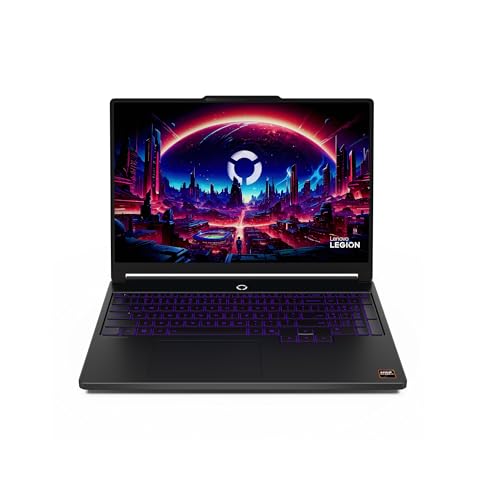
The Legion 5a is the pick for the student whose degree and whose gaming both make real demands. Its OLED WQXGA display at 165Hz is the finest screen in this guide — colour-rich for design and media coursework, sharp for text, fast for games — and behind it sit an RTX 5060, a Ryzen 7 250 and a full 32GB of memory with 1TB of storage. That memory and storage pairing is the four-year argument in numbers: no upgrade errands, no juggling installs, no year-three slowdown from a machine swapping itself breathless. Lenovo’s keyboards remain a quiet coursework superpower, and the Legion’s cooling keeps long sessions — rendering or raiding — composed.
The costs are money and moderation. This is a premium purchase that only makes sense if its strengths map to your life: creative coursework that uses the screen, gaming that uses the GPU, multitasking that uses the memory. A student whose degree is essays and whose gaming is casual will be buying headroom they never visit, and the Nitro above plus a textbook budget is the wiser allocation. But for the computing, engineering, media or simply serious student, the Legion 5a is the one machine here that can plausibly be bought in freshman September and still feel current at graduation.
The Legion’s OLED deserves a study-specific footnote: for reading-heavy courses, dark-mode documents on that screen in a dim library are a genuinely luxurious way to meet a deadline, with contrast that makes long PDFs easier on tired eyes. Balance it with the usual OLED sense — vary content, let the taskbar hide, avoid leaving a static document at full brightness for an entire day — and the panel will reward a full degree of mixed use. It is also the screen your film society friends will vote for on movie night, a social asset no specification table captures.
- Display: 15.3-inch OLED WQXGA, 165Hz as listed
- Processor: Ryzen 7 250 as listed
- Graphics: RTX 5060 as listed
- Memory: 32GB as listed
- Storage: 1TB as listed
Strengths
- OLED WQXGA 165Hz screen leads the guide
- 32GB memory and 1TB storage are degree-proof
- RTX 5060 gaming with Lenovos strong cooling
Trade-offs
- Premium price needs a matching workload to justify
- OLED care habits apply for static coursework screens
- Powerful hardware tempts longer gaming sessions than essays prefer
Best for: computing, engineering and media students who game seriously and want one machine for the whole degree
Not suited for: light-workload students, who would be paying for headroom they never use

HP Victus 15 (Core i5-12450H, 16GB) — Balanced 16GB student staple
This Victus configuration is the sensible centre of the student market: an RTX 3050 that games honestly at 1080p, a 144Hz screen, Wi-Fi 6, a backlit keyboard for dim dorm evenings — and, crucially, 16GB of memory fitted from the start. That single figure is why this Victus ranks above its sibling below for degree duty, despite near-identical headlines. Sixteen gigabytes is the difference between a machine that multitasks through a research project in year three and one that stutters through it, and HP’s plain, inoffensive Victus styling helps everywhere else: it looks like a normal laptop in a seminar because it is one, right up until the game launches.
Set gaming expectations at the RTX 3050’s honest level. Esports and the vast back catalogue of PC gaming run beautifully; the newest AAA releases ask for medium settings and DLSS, which remains a perfectly enjoyable way to play. The 512GB SSD needs the usual library discipline, and the Victus’s speakers and webcam are student-adequate rather than delightful. As a complete, no-errands purchase for a student who games regularly but not obsessively, this is the guide’s quiet recommendation — the one with no asterisk attached to its memory line.
Victus owners in shared houses discover its social virtue quickly: it is the machine nobody is precious about. It lends gracefully, travels to the library without ceremony, and its plain shell does not advertise its value to a room. For a student whose laptop will be borrowed, carried and occasionally left on a seminar table while they fetch coffee, that anonymity is a security feature the premium picks cannot offer. Pair it with a lock cable and the cloud backups this guide keeps recommending, and the 16GB Victus becomes the lowest-stress ownership experience in the entire shortlist.
- Display: 15.6-inch Full HD, 144Hz as listed
- Processor: Intel Core i5-12450H as listed
- Graphics: RTX 3050 as listed
- Memory: 16GB RAM as listed
- Storage: 512GB PCIe SSD as listed
- Connectivity: Wi-Fi 6 as listed
- Extras: Backlit keyboard as listed
Strengths
- 16GB of memory fitted — no upgrade errand needed
- Understated styling suits every campus setting
- 144Hz screen and RTX graphics cover real gaming
Trade-offs
- RTX 3050 needs settings discipline in newest titles
- 512GB storage fills across a degree
- Build and speakers are purely functional
Best for: typical students who want balanced gaming and zero configuration homework for four years
Not suited for: players focused on max settings in the newest releases, who should step up a GPU tier

ASUS ROG Strix G16 (2025) — Performance ceiling for serious players
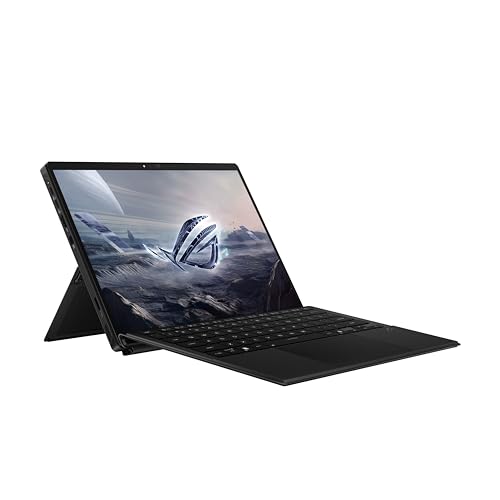
The Strix G16 is what happens when a student refuses to compromise either life. Its Core i7-14650HX is a desktop-class HX processor that devours compiling, data work and heavy multitasking, the RTX 5060 drives its 16-inch 165Hz screen properly in modern games, and the 16:10 aspect ratio quietly serves coursework better than any other display here — extra vertical room is extra lines of code, extra paragraphs of an essay, extra rows of a spreadsheet on every screen, every day. A 1TB SSD and 16GB of DDR5 complete a configuration with no weak line, wrapped in ROG’s unapologetically gaming design language.
That design language is the one campus consideration: the Strix looks like a gaming laptop in a lecture theatre because it is one, RGB and all, though lighting can be tamed to a single calm colour in seconds. Size is the other — a 16-inch HX machine is a dorm-desk anchor that commutes between buildings reluctantly, so it suits students whose accommodation and faculty are close, or whose gaming society life justifies the anchor. For the esports player, the computing student, the one whose laptop is genuinely their main machine for everything, the Strix is the ceiling of this guide and priced like it.
The Strix’s 16:10 screen has a gaming dividend nobody mentions: older games and emulated titles with fixed aspect ratios letterbox more gracefully, and strategy games gain vertical map room that genuinely changes how they play. Its fans, meanwhile, have a library mode worth discovering — the quiet profile at integrated graphics is civilised enough for reading rooms, provided you actually select it before opening the lid rather than after the first spin-up announces you. Learn that one habit and the Strix’s campus manners stop being a concern entirely.
- Display: 16-inch FHD+ 16:10, 165Hz, 3ms as listed
- Processor: Intel Core i7-14650HX as listed
- Graphics: RTX 5060 as listed
- Memory: 16GB DDR5 as listed
- Storage: 1TB Gen 4 SSD class as listed
Strengths
- HX-class processor devours heavy coursework
- 16:10 screen serves documents and code daily
- RTX 5060 and 165Hz suit serious gaming
Trade-offs
- Large and heavy for cross-campus carrying
- Gaming styling needs taming for formal settings
- Premium pricing across the configuration
Best for: esports players and computing-heavy students anchored to one desk for most gaming
Not suited for: students with long daily walks between lectures, who will feel every gram

HP Victus Gaming 15 (Core i5-13420H, 8GB) — Newer CPU, lean memory
The second Victus in this guide exists to teach a shopping lesson, and its analysis leans into it. On headline terms it looks like the better Victus: a newer Core i5-13420H, the same RTX 3050 class graphics, the same 144Hz screen. Then the memory line arrives — 8GB, and of DDR4 rather than DDR5 — and for a degree-length purchase that line outweighs the processor’s freshness. Everyday student multitasking is memory-hungry long before it is processor-hungry, so the sibling above, with an older CPU and double the memory, is the machine we would hand a student who asked which Victus to buy. This one earns its place for a specific buyer instead.
That buyer is the upgrader: a student comfortable adding a memory module in first term, who finds this configuration priced keenly enough that laptop-plus-upgrade beats the 16GB model outright. For them, the newer processor is a genuine foundation and the gaming experience once memory is sorted matches its sibling. For everyone else, read this entry as the guide’s worked example of its own central rule — in a college laptop, buy memory before processor bragging rights, because four years of daily use will vote on that decision every single day.
The second Victus has an upgrade path with a fringe benefit: the afternoon spent fitting memory is also the afternoon a student learns their machine’s internals — where the battery sits, how the fans come out for cleaning, which screws matter. That familiarity pays rent for four years in confidence and maintenance. Buy the module from a reputable brand, match the existing specification, keep the receipt with the warranty papers, and run the machine hard for an evening afterwards to confirm stability while the return window on the module is still open.
- Display: 15.6-inch FHD, 144Hz as listed
- Processor: Intel 8-core i5-13420H as listed
- Graphics: RTX 3050 as listed
- Memory: 8GB DDR4 SDRAM as listed
- Storage: 512GB NVMe SSD as listed
Strengths
- Newer Core i5 processor is a strong foundation
- Same 144Hz, RTX 3050 gaming recipe as its sibling
- Often priced to reward a DIY memory upgrade
Trade-offs
- 8GB of DDR4 memory is the configurations weak line
- Upgrade errand falls on the buyer
- 512GB storage needs the usual discipline
Best for: confident upgraders who will fit extra memory in the first term and pocket the saving
Not suited for: buyers wanting a finished four-year configuration out of the box

MSI GF65 Thin 10UE — Lightweight leftover — price decides
The GF65 Thin is this guide’s previous-generation guest, and it should be bought the way you would buy last year’s textbook edition: happily, if the discount is real and the content still serves the course. Its RTX 3060 remains a capable 1080p gaming chip, its thin chassis genuinely suits the cramped desks and shelves of student housing, and its lightness is a daily kindness on a campus. For coursework, even its older Core i5 handles documents, browsers and calls without complaint, because coursework was never the demanding half of this double life.
The conditions are strict, and the analysis will not soften them. The price must undercut the modern Nitro V above clearly, because the Nitro’s newer platform is the better four-year bet at similar money. The listed 8GB of memory carries the same upgrade conversation as the other lean picks. And a first-year student should weigh support horizons: a previous-generation machine bought in year one is an old machine by graduation. A final-year student, a postgraduate on a one-year course, or anyone whose horizon is shorter than a full degree gets the kindest version of this deal — flagship-era gaming, student-friendly weight, leftover price.
The GF65’s lightness has a final campus virtue that only appears in winter: it is the pick most likely to be carried home for the holidays without a second thought, in a bag already full of everything else a student owns. Machines that travel get used; machines that need their own luggage get left, and a gaming laptop left in a dorm over the break is a month of its short life wasted. For the postgraduate buyer this guide aimed it at, that portability across a single intense year may be worth more than the newer platform they declined to pay for.
- Display: 15.6-inch 144Hz IPS-level screen as listed
- Processor: Intel 10th Gen Core i5-10500H
- Graphics: RTX 3060
- Memory: 8GB as listed
- Storage: 512GB SSD
- Colour: Black as listed
Strengths
- Light, thin chassis suits small student spaces
- RTX 3060 still games well at 1080p
- Simple black design blends anywhere
Trade-offs
- Previous-generation platform ages across a full degree
- 8GB of memory needs an upgrade plan
- Only sensible at a clear discount to modern rivals
Best for: postgraduates and final-year students with a shorter horizon and a sharp eye for the discount
Not suited for: freshers buying for four years at anything near modern-pick prices
What Should Students Check in the First Week of Owning a College Gaming Laptop?
Set up the safety net before the fun. Turn on cloud backup for your coursework folders, note the warranty and returns details somewhere outside the laptop itself, and photograph the serial number. Then run the machine through its real life: a day of lectures on battery to learn its honest unplugged manners, an evening of gaming plugged in to confirm temperatures and fan behaviour are sane, and a video call to check the webcam and microphone your seminars will judge you by. Any fault found this week is a returns conversation; the same fault found in month three is a repair saga.
Learn the three settings that govern student life on a gaming laptop: the quiet profile for libraries, the refresh-rate step-down for battery days, and the keyboard backlight control for dark lecture halls and darker dorm rooms. Create the study and gaming separation suggested earlier in this guide — profiles, accounts or simply rituals — while motivation is fresh in September rather than during revision week, when every distraction is amplified and every habit is already set.
Finally, insure the social side: a laptop lock cable for library sessions, a sleeve that actually fits, and a note of your accommodation’s insurance position on electronics. None of the picks in this guide can protect themselves, and the most sophisticated specification in the world is worth nothing on a machine that has been dropped down a stairwell or left in an unlocked room. Boring, cheap, decisive — the recurring theme of every good student purchase.
How Much Should a Student Actually Spend on a College Gaming Laptop?
Work backwards from the degree’s total technology budget rather than forwards from the shiniest machine. The laptop is the largest item, but the honest list includes the sleeve, mouse, backup storage, a possible memory upgrade, insurance or a repair reserve, and the software or society costs that make the machine useful. A student who spends everything on the laptop and nothing on the ecosystem owns a fragile setup; a student who reserves a tenth of the budget for the surroundings owns a resilient one. The picks in this guide were ranked with that reserve in mind, which is why the value entries score so well.
Finance offers deserve a cold eye. Spreading a premium machine’s cost can be rational when the machine genuinely serves four years — the Legion and Strix cases — but it converts a purchase into a commitment that outlives the excitement by years, and student circumstances change faster than repayment schedules. If financing is the only route to the top of this table, the middle of the table bought outright is usually the wiser degree companion. The best student laptop is the one whose cost stops being thought about by October.
Second-hand temptation will arrive, usually in the form of a graduating student’s premium machine at a tempting figure. Apply this guide’s used-market discipline from the RTX 3060 article’s spirit: inspect in person, test under load, verify the exact configuration, and price in a battery that has lived a student life. A well-kept used flagship can be the smartest buy in the whole market — and a careless one is how students inherit other students’ problems at the exact moment their own budget is emptiest.
What Software Setup Serves Both Coursework and Gaming?
Begin with separation that costs nothing: one browser profile for study, one for everything else, so that forty research tabs and the gaming world’s distractions never share a window. Install the coursework suite first and the game launchers second, in a quiet moment in September, and configure cloud backup before either — the order sounds fussy and is in fact the entire trick, because setups built in calm weeks survive frantic ones. Most universities provide the office suite, storage and security tools free; claim them before paying for anything.
Learn your machine’s control software properly, because it is the cockpit for the double life: fan profiles, GPU switching, keyboard lighting and performance modes all live there, and the student who masters it gets a quiet library machine and a full-power gaming rig from the same hardware. The student who never opens it gets a loud compromise in both places. Thirty minutes with that software in week one is the highest-value configuration time in this entire guide, and it is free.
Keep a small maintenance rhythm: updates on a plugged-in evening each week, a storage check each month so the game library never strangles the coursework drive, and a backup verification each term — open a backed-up file from the cloud and confirm it is real, because an untested backup is a hope rather than a plan. None of this requires expertise. It requires only the recognition that a college laptop is infrastructure, and infrastructure rewards rhythm over heroics.
How Do You Choose Between These Six as a Real Student?
Start by deleting rows honestly. If your budget cannot reach a row without finance you dread, delete it — the remaining rows all game and all study, and dread is a terrible specification. If your campus is large and your accommodation distant, delete the heaviest row. If your course is essays and reading, delete the rows whose power you cannot spend. What survives this deletion is usually two machines, and between two honest finalists, the tiebreakers are memory first, screen second, and the feel of the keyboard you will type a dissertation on third.
Then run the four-year test on the survivor: picture it in your final term, with the memory it has, the storage it has, the battery it will have. If the picture works, buy it and stop reading laptop reviews — the opportunity cost of continued shopping is measured in the first term’s attention. If the picture fails on memory or storage, step one row up or plan the upgrade now, while the decision is cheap. Almost every regret in this category is visible in advance through exactly this exercise.
Finally, remember what the machine is for. The degree is the point; the gaming is the reward that makes the degree’s evenings worth having, and the friends in the lobby are worth more than the frame rate they arrive at. Buy the laptop that serves both without consuming the budget, the attention or the desk that the rest of college needs. That is the whole of this guide’s advice, and every row in it can honour that advice for the right student.
What Happens to a College Gaming Laptop After Graduation?
The lucky ones become the first work machine, and the configurations with memory and storage headroom — the Legion above all — make that transition without embarrassment. The rest begin a second life that is worth planning for rather than discovering: a home media and gaming box under the television, a hand-me-down that starts a younger sibling’s degree, a dedicated machine for the hobbies that employment leaves less time for. A laptop bought with a four-year horizon and a graceful second life in mind depreciates kindly; one bought as a disposable fresher toy does not.
Graduation is also the moment to perform the maintenance the degree never left time for: a full backup, a fan and vent clean, fresh thermal paste if temperatures have crept, and an honest battery health check. An afternoon’s work returns a surprising amount of the machine’s youth, and it is the right farewell to hardware that carried a dissertation. Keep the charger and any upgrade receipts with it if it is being passed on — the next owner’s first week will be easier for your paperwork.
If you sell instead, sell honestly: state the battery health, the upgrades, the quirks, and price it like the used machines this cluster of guides taught you to inspect. Somewhere a fresher is reading a guide very much like this one, hoping the previous owner of their first gaming laptop was you at your most conscientious. Be that owner. It is a good note for a degree to end on.
What Do Students Actually Argue About After a Term With These Machines?
Talk to students a term in and the arguments are never about the specifications the adverts led with. Nobody debates whose GPU tier is higher by November. They debate noise — whose machine can be opened in the library’s silent floor without a fan announcement — and they debate weight on the morning walk, and they debate, with surprising passion, whose charger has survived being yanked, coiled and crushed in a bag for ninety days. The machines in this guide were ranked with those November arguments in mind, which is why quiet profiles, honest sizing and charger discipline keep appearing in analyses that could have spent their words on benchmark theatre instead.
The second argument is about the screen at essay distance. By the first deadline week, every student has spent a ten-hour day reading their own machine, and the panels that were bought for gaming reveal their second character: the Legion’s OLED and the Strix’s tall 16:10 canvas become coursework luxuries their owners mention unprompted, while a dimmer panel on a cheaper pick becomes a daily small tiredness its owner cannot quite name. This is the deepest reason this guide weights display quality for both lives rather than treating it as a gaming figure — you will read a degree off this glass, and your eyes keep the receipts.
The third argument is money, conducted honestly in hindsight. Students who bought the middle of this table — the balanced Victus, the Nitro with its planned upgrade — report the least regret per pound of any group, because their machines matched their actual lives. Students who bought the ceiling for a floor-level workload admire their laptops and wince at their bank statements in the same breath. Students who bought the floor for a ceiling-level course — the media student on an 8GB machine, rendering at midnight — hold the only genuine grievance in the whole pattern, and it is the one this guide’s memory warnings exist to prevent.
Nobody argues about the brand on the lid. That may be the most useful sentence in this section for a fresher currently agonising between two near-identical finalists: by November, the logo is furniture, the keyboard is a relationship, and the machine’s manners — quiet, light, charged, backed up — are its reputation. Choose for November, not for unboxing day, and you will have chosen the way the students who are happy with their machines all say they wish they had.
And one argument never happens at all: nobody wishes they had spent less time on backups. The student whose machine died in week nine with cloud copies of everything was an anecdote for a day. The student whose died without them was a cautionary tale for a year. If this guide’s repetition of that single piece of advice feels excessive, it is calibrated to the stakes — a dissertation is worth more than every frame rate in this roundup combined, and it costs one afternoon in September to protect it forever.
The Freshers Week Test Every Buyer Should Run Mentally
Before the money moves, run one final simulation: freshers week, as your chosen machine will live it. Monday it takes notes in three lectures and survives on battery because you remembered the refresh-rate habit — or it does not, and you spend the year hunting sockets. Wednesday it is borrowed by a new friend for a group call, and its webcam and speakers either hold the conversation or become the story. Friday it runs the society’s games night off a desk in a room that smells of pizza, fans working, charger cable taped out of the walkway, and it either belongs there or spends the evening apologising. Sunday it backs up a week’s coursework to the cloud while you sleep, because you set that up in September like this guide begged you to. Walk your finalist through those five days honestly, with its real memory figure, its real weight, its real screen, and the machine that survives the simulation without excuses is the machine to buy. Every pick in this guide survives it for somebody — the simulation’s job is simply to tell you whether that somebody is you, while the answer is still free.
How Do the Six Picks Compare Side by Side?
| Pick | Screen | Graphics | Strongest suit |
|---|---|---|---|
| Acer Nitro V (RTX 4050) | 15.6″ FHD 165Hz | RTX 4050 | Value anchor — watch memory |
| Lenovo Legion 5a | 15.3″ OLED WQXGA 165Hz | RTX 5060 | Degree-proof premium |
| HP Victus 15 (16GB) | 15.6″ FHD 144Hz | RTX 3050 | Balanced, no-errand staple |
| ASUS ROG Strix G16 | 16″ FHD+ 165Hz | RTX 5060 | Performance ceiling |
| HP Victus 15 (8GB) | 15.6″ FHD 144Hz | RTX 3050 | Upgrader special |
| MSI GF65 Thin | 15.6″ 144Hz | RTX 3060 | Lightweight leftover value |
Read the memory figures behind this table before the graphics column, because they predict your year-three experience better than any other line: 32GB in the Legion, 16GB in the Strix and the first Victus, 8GB in the Nitro, second Victus and MSI. The graphics ordering is simpler — the 5060 pair lead, the 4050 and 3060 follow closely for 1080p student gaming, and the 3050 pair ask for settings discipline in the newest titles while running the back catalogue beautifully.
The right row depends on your degree’s shape. Creative and computing courses monetise the Legion’s screen and the Strix’s processor; humanities and social sciences monetise the Victus’s balance and the Nitro’s price. Every row games; not every row needs to be bought. The most common student error is purchasing the ceiling of the table for a floor-level workload, then discovering the textbook and society budgets were the real specification all along.
What Mistakes Do Students Make When Buying a Gaming Laptop for College?
Buying for the games of freshman week rather than the degree is the classic error. A machine specced entirely around one autumn release, with 8GB of memory and a tiny SSD, will still be your coursework machine in year three when the game is forgotten and the limitations are daily. Reverse the priority: degree-proof the memory, storage and screen first, then take the best gaming performance the remaining budget buys. Every pick in this guide was ranked with that order in mind.
Underestimating the carry is the second. A 16-inch performance machine is a joy on a dorm desk and a burden across a hilly campus in the rain, and students routinely discover their faculty is further from their accommodation than the open day suggested. Be honest about your geography. The lighter picks here exist because a laptop left in the room out of dread is worse than a slightly slower laptop that actually attends lectures.
Skipping backups and warranty admin is the third, and the cruellest, because it converts small accidents into academic emergencies. Cloud coursework backup from week one, warranty details stored off the machine, insurance checked once — an afternoon of dull tasks that can save a degree’s worth of work. No frame rate in this guide is worth more than a dissertation folder.
Finally, spending the whole budget on the laptop and nothing on the ecosystem: no sleeve, no mouse, no external backup, sometimes no money left for the societies where the friends who fill those gaming lobbies are actually met. The best college purchase leaves a little in reserve, because the laptop is equipment for a life, not the life itself.
Final Recommendation
Most students should start at the balanced centre: the 16GB Victus if the budget allows a finished, no-errands machine, or the Nitro V if it does not, with a memory upgrade pencilled into the first term. Both game properly, both study properly, and neither will embarrass its owner in a library or a lobby. Students whose courses genuinely load a machine — compiling, editing, modelling, data — should stretch to the Legion 5a for its screen and degree-proof memory, or the Strix G16 if esports and HX power headline their evenings.
The second Victus and the MSI are the conditional picks, and their conditions are printed in their analyses rather than whispered: upgrade the Victus’s memory or admire its sibling instead; buy the GF65 only at a real discount and with a horizon shorter than a full degree. Honoured, both conditions produce satisfied owners. Ignored, both produce the reviews that warn other students off perfectly decent hardware.
Four years from now you will not remember the frame rate of a match in your first term, but you will remember whether the machine beside you ever let you down — so buy the Legion 5a if your budget reaches it, and graduate on the same laptop you started with.
Frequently Asked Questions
Is 8GB of memory enough for a college gaming laptop?
For a first year of documents, browsing and gaming, it copes — but it is the figure most likely to frustrate by year three, when coursework software, multitasking and newer games all press harder. This guide flags every 8GB pick explicitly. Either choose a 16GB configuration, as in the Legion, Strix and one Victus here, or confirm your 8GB machine can be upgraded and plan to do it.
Can one laptop really handle both coursework and serious gaming?
Yes — that is the entire premise of this category, and every pick here does it. Modern RTX gaming laptops run office, coding and creative coursework effortlessly on the same hardware that games in the evening. The real art is in configuration and habits: enough memory, a screen suited to long reading, quiet profiles for libraries, and backups for the coursework half of the machines life.
Should I buy a 14-inch or a 16-inch laptop for college?
It depends on your campus geography and your desk. A 16-inch machine like the Strix gives you a bigger, better screen for both essays and games but is a reluctant daily carry. A 15.6-inch pick is the usual compromise, and lighter designs like the GF65 suit students crossing campus constantly. Be honest about how far you will actually walk with it each day.
Is an RTX 3050 still enough for student gaming?
For esports, the enormous back catalogue, and modern titles at 1080p with sensible settings and DLSS, yes — the two Victus picks here are built on exactly that proposition. For max settings in the newest releases, step up to the RTX 4050 Nitro or the 5060 machines. Most student gaming is social and back-catalogue, which is why the 3050 Victus remains a rational buy.
How long should a college laptop last?
Aim for the full degree: four years is the planning horizon behind this guide’s emphasis on memory, storage and headroom. A mid-priced machine with 16GB of memory will usually outlast a cheaper 8GB machine that needs replacing in year two, making it the cheaper purchase in the end. Previous-generation picks like the GF65 suit shorter horizons — a masters year or a final-year replacement.
What accessories should a student budget for alongside the laptop?
A padded sleeve, a comfortable mouse for both gaming and long coursework sessions, an external drive or cloud storage for backups, and ideally a laptop lock for shared spaces. Together they cost a fraction of the laptop and protect both halves of its life. If the budget forces a choice, the backup comes first — coursework is irreplaceable in a way hardware is not.
Related Guides
If the shortlist above leaves the decision open, try the neighbouring cuts: Best Gaming Laptops for Live Streaming on Twitch for creator duty, Best Gaming Laptops With RTX 3060 for the budget end of the used shelf, and Best White Gaming Laptops for the same hardware judged by finish.

[…] companion guides pick up where this one stops: Best College and Gaming Laptops for the same money spent on a student’s desk, Best Gaming Laptops for Live Streaming on […]