Our Top Picks
 Simetufy 12 Pack 8x10 Canvas Boards for Painting8"x10" White10 x 8 x 0.99 inches0.5 poundsCheck on Amazon



What's inside
- Best Blank Canvas Sets for Artists: Boards and Stretched Canvas, Separated Honestly
- Flat Canvas Boards vs Stretched Canvas: The Difference That Decides Everything
- Flat Canvas Boards: The Stackable, Storable Workhorses
- ESRICH Canvas Boards, 8×10, 5-Pack: The Small Starter Set of Flat Panels
- Simetufy Canvas Boards, 8×10, 12-Pack: Gesso Primed Flat Panels in a Dozen
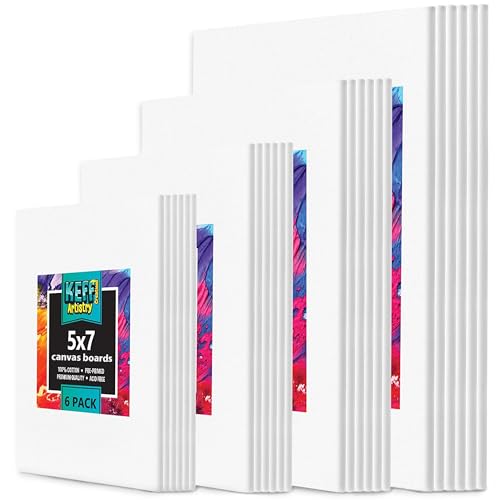
- KEFF 24-Pack: Four Sizes of Triple-Primed Canvas Boards
- BAKEYBA 100-Pack 8×10 Flat Canvas Boards: The Bulk Box for High-Volume Painting
- Stretched Canvas: The Framed Surface That Hangs as It Is
- GOTIDEAL Stretched Canvas, 14 Pieces: A Multi-Size Set for Trying Every Scale
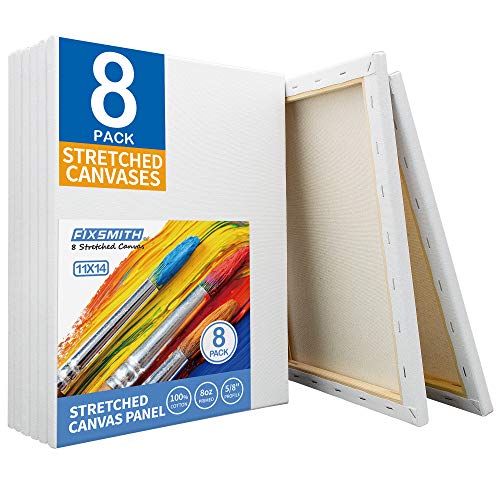
- FIXSMITH Stretched Canvas, 11×14, 8-Pack: One Generous Size, Eight Times Over
- ESRICH Stretched Canvas, 18 Multi-Pack: The Biggest Assortment in This Guide
- FIXSMITH Stretched Canvas, 8×10, 12-Pack: The Smaller Sibling in the Same Line
- How to Choose: Match the Set to the Way You Actually Paint
- Care, Storage, and Getting the Most From a Pack
- Check prices on Amazon
- The Short Verdict
As an Amazon Associate I earn from qualifying purchases. This post may contain affiliate links at no extra cost to you.
Best Blank Canvas Sets for Artists: Boards and Stretched Canvas, Separated Honestly
A blank canvas set looks like one of the simplest purchases in an art studio, right up until the options arrive. Some packs in this category are flat canvas boards, also called canvas panels, which are thin, rigid, and easy to store in a drawer or portfolio. Others are stretched canvas, where cotton fabric is pulled over a wooden frame so the finished painting can hang on a wall without any extra framing. Both are legitimate painting surfaces, both are sold under the same broad search terms, and both appear side by side in the eight sets our research compared for this guide. Treating them as interchangeable is the fastest way to order the wrong thing, so this article keeps the two formats separate from the first page to the last.
Here is the honest shape of the shelf. The flat board side of the list contains the ESRICH 8×10 canvas boards in a 5-pack, the Simetufy 8×10 canvas boards in a 12-pack, the KEFF 24-pack that its own listing describes as canvas boards across four sizes, and the BAKEYBA 100-pack of flat 8×10 canvas boards built for high-volume work. The stretched canvas side contains the GOTIDEAL 14-piece multi-size set, the FIXSMITH 11×14 stretched canvas in an 8-pack, the ESRICH stretched canvas 18 multi-pack, and the FIXSMITH 8×10 stretched canvas in a 12-pack. Two brands appear in both camps, and where a pack is simply a different size or count within the same product line, this guide says so plainly instead of pretending it is an unrelated discovery.
That structure shapes everything that follows. If you paint studies, run a classroom, or work through daily exercises, flat boards usually make more sense because they stack flat, ship flat, and store flat. If you paint finished pieces meant for a wall, stretched canvas gives you a surface with depth, a small amount of spring under the brush, and edges that can be painted and displayed as they are. Neither format is better in the abstract. Each one answers a different question about how the finished work will live, and the right set is the one that matches your answer.
Our research for this guide compared listings on the details that actually separate these products: format, size or mix of sizes, pack count, fabric, priming, and the painting media each listing names. Every size and quantity mentioned below comes straight from the product title for that set, and where a title does not state a detail, this guide does not invent one. Read the format sections first if you are still deciding between boards and stretched canvas, or skip straight to the product sections if you already know which surface your next project needs.
Flat Canvas Boards vs Stretched Canvas: The Difference That Decides Everything
A flat canvas board is a sheet of canvas fabric bonded to a rigid backing board. The result is thin and firm, with no flex and no hollow space behind the surface. Because there is nothing inside to crush or warp, boards tolerate being stacked, leaned, mailed, and stored in tight spaces. They slide into portfolios, fit into flat files, and sit neatly in the kind of shallow drawers studios use for paper. For students, beginners, and anyone producing a high volume of studies, that practicality is the whole point. A board also behaves predictably under a palette knife and under heavy, scrubbed brushwork, because the surface never gives way beneath the tool.
Stretched canvas is built differently. Cotton fabric is stretched across a wooden stretcher frame and fixed at the back, leaving the center of the surface slightly springy. That gentle bounce changes how a brush feels, especially with longer strokes and loaded paint. The frame also gives the finished piece physical depth: the FIXSMITH sets in this guide, for example, list a 5/8 inch profile, which is the depth of the frame from front to back. A stretched canvas can hang directly on a nail or hook, its edges can be painted as part of the work, and it reads as a finished object the moment it leaves the easel. The trade-offs are storage and fragility. Stretched canvases take up far more shelf space than boards, they should never be stacked face to face under weight, and a careless knock can dent or puncture the unsupported center.
Priming is the second idea worth understanding before you buy. Most canvases in this category arrive primed, meaning the cotton has already been coated with gesso or a similar ground that seals the fabric and gives paint something to grip. Raw, unprimed cotton would drink the oil out of oil paint and leave colors looking dull, and it would soak up acrylic unevenly. A primed surface lets you start painting straight from the pack, although many painters still add a layer of their own gesso when they want a smoother or more absorbent ground. Listings in this guide describe their priming in different words, from a simple statement that a set is primed, to the Simetufy boards described as gesso primed, to the KEFF pack described as triple-primed, and those wording differences are reported here exactly as the listings present them.
Cotton is the fabric across this entire category. Every set in this guide that names a fabric names cotton, and several specify 100% cotton in their titles. Cotton canvas is the standard general-purpose painting surface: affordable, widely available, and suitable for the acrylic, oil, gouache, watercolor, and tempera media these listings mention. It has a moderate woven texture, often called tooth, that holds paint and shows brush marks. Finer or rougher weaves exist in the wider market, but no listing in this guide makes claims about weave grades, so this article does not rank these sets on texture beyond noting that cotton is the shared foundation.
Size is the third deciding factor, and this category splits neatly in two. Some sets commit to a single size repeated across the pack, such as the many 8×10 options here, which suits a series, a class working to one brief, or a painter who has settled on a favorite format. Other sets mix sizes in one box, which suits experimentation, gifts, and studios that serve more than one kind of project. Neither approach is superior, but buying a multi-size pack when you only ever paint one size leaves you with canvases that gather dust, and buying a single-size pack when you need variety means ordering again within the week.
Flat Canvas Boards: The Stackable, Storable Workhorses
Flat boards earn their place in a studio through sheer convenience. A term of art classes, a month of daily painting challenges, or a run of color studies can consume dozens of surfaces, and boards let you keep all of them in a single flat stack. They are also the friendlier format for younger painters and school settings, because there are no staples, no hollow backs, and no frames to damage. Four of the eight sets in this guide are boards, and they span the full range from a small starter pack to a bulk box meant to supply a whole program.
ESRICH Canvas Boards, 8×10, 5-Pack: The Small Starter Set of Flat Panels
The ESRICH canvas boards listing describes a 5-pack of 8×10 canvases for painting, made as cotton primed, acid free blank canvas panels, and it names oil paint, watercolor, acrylic paint, gouache, and tempera as the media the panels suit. That is one of the broadest media lists in this guide, and it positions this small pack as a general-purpose starting point rather than a specialist surface. Five panels is a modest count, and that modesty is the point: this is the pack to buy when you want to try canvas boards without committing shelf space or budget to a large box, or when a short project needs a handful of matching surfaces.
The 8×10 size deserves a word of its own, because it recurs throughout this category. At 8 by 10 inches, a panel is large enough for a complete small painting, a portrait study, or a landscape sketch, yet small enough to finish in a single sitting and to frame in one of the most common ready-made frame sizes. Painters building a daily practice often settle on a size like this precisely because the surface never feels like a major commitment. With five panels, you can plan a short series, work through a week of studies, or give each member of a small group one panel for a shared exercise.
The acid free note in the listing matters for anyone who keeps their work. Acidic materials break down over time and can yellow or weaken a surface, so an acid free panel is the safer home for a painting you intend to keep, gift, or sell rather than treat as disposable practice. Combined with the cotton priming, the listing presents these panels as ready to paint on straight from the pack for the five media it names. Note carefully, though, that ESRICH sells more than one kind of canvas in this guide: the same brand also offers the stretched multi-pack covered later, and these flat boards are a different product in a different format, not a smaller version of the stretched set.
Who should choose this pack? A beginner buying a first set of boards, a painter who wants a few panels for a defined project, or anyone curious about whether flat panels suit their way of working. Who should look further down this section? Anyone painting in volume. Five panels disappear quickly in a classroom or a daily challenge, and the larger board packs below exist precisely for that appetite, at counts of twelve, twenty-four, and one hundred.
Simetufy Canvas Boards, 8×10, 12-Pack: Gesso Primed Flat Panels in a Dozen
The Simetufy listing describes a 12-pack of 8×10 canvas boards for painting, presented as blank flat canvas panels that are gesso primed and made from 100% cotton, for acrylic, oil, watercolor, and tempera paint. The phrase flat canvas panels in the title is worth appreciating, because it states the format without ambiguity: these are boards, not framed canvases, and they will arrive as a neat stack of rigid panels. The gesso primed description tells you the ground has been applied for you, so the panels are intended to be painted on as they come.
Twelve is a practical middle count. It covers a month of weekly painting sessions, a short course, or a dozen studies in a series, and it does so in a single uniform size. Uniformity matters more than it first appears. A series painted across identical panels can be displayed as a grid, stored as one tidy stack, and framed with a single frame size ordered in quantity. Painters who sell small works at markets or online also benefit from a standard size, because packaging, framing, and photographing the finished pieces all become repeatable tasks rather than fresh puzzles.
The media list here covers the four paints most board painters actually use. Acrylic is the default for boards in classrooms because it dries fast and cleans up with water. Oil works on primed cotton boards as well, and boards are a traditional support for oil sketches and plein air studies because they are light to carry and rigid in a pochade box. Watercolor and tempera appear in this listing too, which points these panels toward school and mixed-media settings as much as toward easel painting. As with every set in this guide, the listing’s own words are the boundary of the claim: the title names those four media, and this guide reports them as stated.
Set beside the ESRICH 5-pack above, the Simetufy dozen shows how this category is really organized. Same size, same flat format, same cotton foundation, different count and different priming language. Choosing between them is less about quality rankings that no listing supports and more about how many panels your next stretch of work will consume, and whether the gesso primed, 100% cotton description matches the surface you prefer to start from.
KEFF 24-Pack: Four Sizes of Triple-Primed Canvas Boards
The KEFF listing describes a 24-pack of canvas for painting, made from 100% cotton and described in its title as triple-primed canvas boards, with six each of four sizes: 5×7, 8×10, 9×12, and 11×14 inches, for acrylic paint, oil, and watercolor, and aimed at adults and kids alike. Because the listing itself calls these canvas boards, this guide places the KEFF pack in the flat board section where it belongs, even though multi-size assortments are often assumed to be stretched canvas. Read listings by their own words and you will rarely order the wrong format.
The assortment is the story here. Six panels in each of four sizes gives a studio a small ladder of formats: 5×7 for quick studies, miniatures, and greeting-card-scale work; 8×10 for the standard small painting; 9×12 for a step up in breathing room; and 11×14 for the largest pieces in the box, a size that suits a more developed composition while still framing easily. For a family buying one box for several painters, or a teacher who wants to offer a choice of scales for the same assignment, that spread removes the need to guess a single size in advance.
Triple-primed is the other phrase to unpack. Priming coats the cotton so paint sits on the surface rather than sinking into the fabric, and a listing that describes its boards as triple-primed is telling you the ground was built up in multiple coats. In general industry terms, more coats of gesso usually mean a smoother, less absorbent starting surface, and painters who like their first layer to glide rather than grab often prefer a well-primed board. This guide reports the description as the listing gives it; what matters for your decision is that KEFF chooses to compete on priming and assortment rather than on a single repeated size.
Because the pack mixes sizes, think about storage and framing before you buy. The panels will stack by size rather than as one uniform pile, and finished pieces will need frames in up to four sizes if you choose to frame them. For many buyers that variety is exactly the value. For a painter deep into a single-size series, one of the uniform packs in this guide will serve better, and the KEFF box will serve the household, classroom, or restless experimenter who wants options in a single purchase.
BAKEYBA 100-Pack 8×10 Flat Canvas Boards: The Bulk Box for High-Volume Painting
The BAKEYBA listing describes a 100-pack of 8×10 inch flat canvas boards for painting, presented as canvas panels in 100% cotton, white and blank, for acrylics, oil, gouache, and tempera paints. One hundred panels is not a casual purchase, and the listing is not aimed at a casual painter. This is the supply-cabinet option: the box a school art program, a community workshop series, a paint-party host, or a prolific daily painter buys so that running out of surfaces stops being a recurring problem.
Bulk buying changes the psychology of painting, and that is a genuine part of this pack’s appeal. When a single panel represents a noticeable purchase, every painting feels precious and failed experiments feel costly. When panels come by the hundred, the pressure drops. Students try bolder ideas, beginners start over without regret, and teachers can hand out a fresh board for every exercise instead of rationing surfaces across a term. Art educators have made this argument for cheap sketchbooks for generations, and it applies to canvas boards in exactly the same way: abundance encourages practice, and practice is where progress lives.
The uniform 8×10 size keeps the logistics simple at this scale. One size means one stack footprint, one frame size for finished pieces, one storage shelf, and no sorting. The listed media, acrylics, oil, gouache, and tempera, cover the paints most group settings actually use, with acrylic and tempera doing most of the work in classrooms and gouache serving illustrators and designers who paint in flat, opaque layers. Watercolor is not named in this particular listing, and this guide notes that absence rather than assuming it: if your program paints primarily in watercolor, compare the board listings above that name it explicitly.
Before ordering a hundred of anything, count your storage honestly. A hundred flat panels stack into a manageable pile, far smaller than a hundred stretched canvases would occupy, but the box still needs a dry, flat home away from anything that could spill on it. Buyers who clear that small hurdle get the simplest proposition in this entire guide: one size, one format, one hundred chances to make a painting.
Stretched Canvas: The Framed Surface That Hangs as It Is
Stretched canvas serves the painter whose work is headed for a wall. The frame built into every piece gives it presence, lets it hang without a separate frame, and provides the slight spring that many brush painters prefer. The costs are bulk and care: stretched canvases store upright or carefully separated, travel awkwardly, and should be kept where nothing can press into the unsupported center. Four sets in this guide are stretched, and they divide into two multi-size assortments and two single-size packs from the same FIXSMITH line.
GOTIDEAL Stretched Canvas, 14 Pieces: A Multi-Size Set for Trying Every Scale
The GOTIDEAL listing describes a 14-piece multi pack of stretched painting canvas, blank paint canvases for acrylic and oil, offered as art supplies for artists and adults, in sizes 4×4, 4×6, 5×7, 8×10, 9×12, and 11×14, as a set of 14. Six different sizes in one box makes this the sampler of the stretched category: instead of committing to a wall of identical canvases, you get a spread that runs from a tiny 4×4 square up to an 11×14, with rectangular stops along the way.
That spread suits a particular kind of painter. If you are furnishing a gallery wall, mixed sizes let you compose a cluster of small finished pieces that hang together. If you are learning, different sizes teach different lessons: the 4×4 and 4×6 canvases force simple, bold compositions, the middle sizes suit everyday subjects, and the 11×14 asks you to sustain an idea across a larger field. If you sell small works, an assortment lets you offer several sizes from one purchase. The listing names acrylic and oil as its media, which are the two paints most associated with stretched canvas, and it addresses the set to artists and adults rather than to children’s settings, where flat boards usually make more sense.
Because every piece here is stretched, remember the handling rules that come with the format. Store the canvases upright and separated so the frames do not press into neighboring surfaces, keep them out of damp spaces, and hang finished work from the frame rather than resting weight on the fabric. A multi-size set also means deciding in advance which subjects deserve the scarce large canvases and which belong on the small ones; with only fourteen pieces, a little planning stretches the box further. Painters who already know their size should skip the sampler logic entirely and look at the single-size stretched packs below, where the count goes deeper on one format.
FIXSMITH Stretched Canvas, 11×14, 8-Pack: One Generous Size, Eight Times Over
The FIXSMITH listing for this set describes a stretched white blank canvas at 11×14 inches in an 8-pack, primed and made from 100% cotton, with a 5/8 inch profile, described as a super value pack for acrylics, oils, and other painting media. Every phrase in that title does useful work. Stretched tells you the format. The single repeated size tells you the intent. The profile measurement tells you how deep the finished pieces will sit from the wall. And the pack count tells you this is a set for a painter who works in a series or returns to the same format again and again.
Eleven by fourteen is a satisfying middle-large size for stretched canvas. It is big enough for a landscape with real sky in it, a still life with several objects, or a portrait with shoulders and background, yet it remains light to handle, quick to store, and easy to frame if you prefer a frame, since 11×14 is a standard frame size. Eight matching canvases invite a body of work: a season of landscapes, a set of studies of the same subject in different light, or a run of pieces intended to hang or sell together. Consistency of surface matters in a series, and buying the canvases as one pack from one line is the simplest way to get it.
The 5/8 inch profile is the standard shallow depth for canvases of this kind. Paintings on a profile like this sit close to the wall, look tidy with or without a frame, and fit readily into many ready-made floater frames if you later decide a frame would finish the piece. Painters who want a deep, chunky gallery profile should note that this listing specifies the shallower depth and choose accordingly; painters who want the classic, unobtrusive format will find this exactly right.
Hold this set in mind alongside the next FIXSMITH pack, because the two are siblings. This is not a different kind of canvas from the 8×10 FIXSMITH set below; it is the same stretched, primed, 100% cotton line with the same 5/8 inch profile, offered at a different size and count. Which sibling belongs in your studio depends only on the size you paint and how many canvases you want waiting.
ESRICH Stretched Canvas, 18 Multi-Pack: The Biggest Assortment in This Guide
The ESRICH stretched canvas listing describes an 18 multi-pack of blank canvases for painting in sizes 12×16, 11×14, 9×12, 8×10, 5×7, and 3×5, cotton primed, for oil and acrylic paint, and addressed to beginners and artists. With eighteen pieces across six sizes, this is the largest stretched assortment in this guide, and the only one that reaches up to 12×16 at the top end. It is also the second ESRICH product in this article, and the distinction matters: the ESRICH 5-pack near the top is a set of flat boards, while this set is stretched canvas on frames. Same brand, two different formats, two different jobs.
The size ladder here runs from the genuinely tiny 3×5, suited to miniatures, place-card art, and quick color notes, through the familiar small and medium sizes, up to a 12×16 that can carry a finished landscape or a fuller composition. A beginner working through this box gets a built-in curriculum: start small, where mistakes are cheap and compositions stay simple, and climb the sizes as confidence grows. A teacher or parent stocking a mixed-ability group gets the same ladder in a single purchase. An experienced painter gets small canvases for studies alongside larger ones for the finished versions of the same ideas, which is a classic working method: solve the composition small, then paint it big.
The listing names oil and acrylic, the two media that dominate stretched canvas painting, and describes the cotton as primed, so the canvases are presented as ready to paint from the pack. What the assortment asks of you is storage and planning. Eighteen framed canvases occupy real space, and they store best upright, separated, and dry. It also asks you to think like a curator of your own supply shelf, reserving the single largest sizes for ideas that deserve them. For the painter who wants one purchase to cover months of varied work, no other set in this guide spreads as wide.
FIXSMITH Stretched Canvas, 8×10, 12-Pack: The Smaller Sibling in the Same Line
The FIXSMITH 8×10 listing describes a stretched canvas for painting in a pack of 12, primed canvases in white, blank, made from 100% cotton with a 5/8 inch profile, for acrylics, oils, and other painting media. As flagged in the 11×14 section above, this is a size and count variant of the same FIXSMITH stretched line: same format, same cotton, same priming claim, same profile depth, different dimensions and a deeper count. Treating the two as variants rather than rivals is the honest way to read the shelf, and it makes the choice between them refreshingly simple.
Choose the 8×10 dozen if your work lives at that size. Twelve canvases support a sustained series of small paintings, a run of portrait or still life studies, or a stock of finished pieces for a market stall or online shop, all in a size that ships easily, frames cheaply, and suits the smaller walls of apartments and offices. The deeper count also forgives experimentation: with twelve surfaces waiting, a failed start is a lesson rather than a loss, and painters who scrape down and restart will appreciate having spares in the same size.
Choose the 11×14 eight-pack instead if your compositions need the room. Neither pack is the upgraded version of the other; they are the same idea at two scales. That pattern, one line offered in several sizes and counts, is common across this whole category, and recognizing it protects you from paying twice for variety you do not need. Decide your size first, then your count, then let the brand and format follow from those two decisions.
How to Choose: Match the Set to the Way You Actually Paint
Start with the destination of the work. Paintings that will be framed behind glass, stored in a portfolio, mailed to a buyer, or kept in a class folder point to flat boards. Paintings that will hang as they are, with painted edges and a little depth on the wall, point to stretched canvas. Next, decide your size honestly. Look at the last ten paintings you finished or the projects you have genuinely planned, and buy for that size, not for an imagined future style. Then set your count by your pace: a weekly painter needs a dozen surfaces to feel well supplied, a daily painter or a classroom should think in the dozens, and a program buying for a term should look at the bulk end of this guide.
Media should confirm the choice rather than drive it. Acrylic painters are served by every set here. Oil painters should note which listings name oil explicitly, as most do. Gouache and tempera appear in the board listings from ESRICH and BAKEYBA, which fits the flat, illustration-friendly character of those paints. Watercolor is named in several board listings, including ESRICH, Simetufy, and KEFF; canvas is never a substitute for watercolor paper, but primed boards give watercolorists a rigid, experimental surface for mixed work. Finally, weigh priming language: a set described as gesso primed or triple-primed is telling you the ground is a selling point, while a set described simply as primed covers the essential requirement that the cotton is sealed and ready.
Many painters plan a painting digitally before touching a brush, sketching compositions on a screen and printing reference images to pin beside the easel. If that sounds like your process, our guide to best affordable drawing tablets for artists covers the sketching side of the studio, while larger reference prints are easier to judge with the printers in best a3 photo printers and the wider formats compared in best 13×19 photo printers. And if your studio experiments extend to making your own frames, jigs, or painting tools, the machines in best 3d multi color printers show what a modern desktop printer can produce. The canvas, though, remains the analog heart of the workflow, and no screen replaces the first loaded brushstroke on a primed surface.
Care, Storage, and Getting the Most From a Pack
Store flat boards flat, ideally in their stack with a clean sheet of paper between finished paintings, and keep the stack somewhere dry. Store stretched canvases upright, leaning at a slight angle, with cardboard or foam between pieces so frames never press into painted surfaces. Keep both formats away from damp walls, radiators, and direct sun, and never rest anything heavy against the unsupported middle of a stretched canvas. Before painting, a quick wipe with a dry cloth removes shelf dust; if you prefer a smoother or more absorbent ground than the one supplied, a thin extra coat of gesso, sanded lightly when dry, is the standard adjustment painters make to any primed cotton surface.
When a painting is finished, let it dry fully before stacking or leaning it against anything, and remember that oil paint dries far more slowly than acrylic, gouache, or tempera. Boards can be framed in standard frames once the glazing and backing are sorted; stretched canvases can hang immediately or drop into a floater frame for a more finished edge. Label the back of each piece with the date, title, and medium while you still remember them. Future you, and anyone who owns the painting later, will be grateful.
Check prices on Amazon
Live listings for the shortlist in this guide are pulled from Amazon below, so prices and availability are always current at the moment you look.


The Short Verdict
For a first small set of flat panels, the ESRICH 8×10 5-pack keeps the commitment tiny. For a dozen uniform boards, the Simetufy 12-pack is the natural step up. For variety in board form, the KEFF 24-pack spreads six panels across each of four sizes, and for serious volume, the BAKEYBA 100-pack stands alone. On the stretched side, the GOTIDEAL 14-piece set samples six sizes, the ESRICH 18 multi-pack ranges widest and largest, and the two FIXSMITH packs, 11×14 in an 8-pack and 8×10 in a 12-pack, serve painters who have settled on one size and want depth of stock in it. Every one of those sentences follows from format, size, and count, which is exactly how this category should be bought.
Affiliate disclosure: This article may contain affiliate links to the canvas sets discussed above. If you buy through one of those links, we may earn a commission from the retailer, and that commission never increases the price you pay. It helps support our research and the guides we publish, and we compared listings here on format, size, pack count, fabric, priming, and stated media so you can choose the set that fits your studio.