Our Top Picks


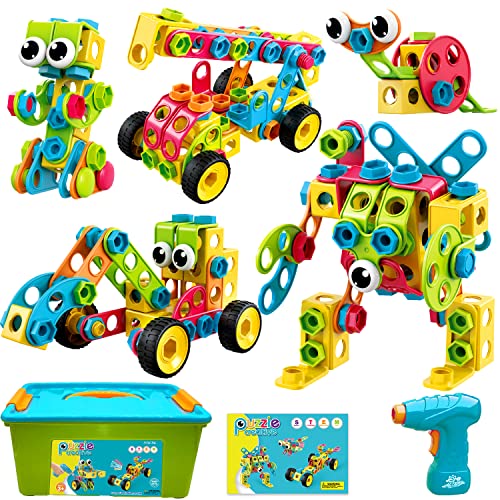


What's inside
- Why building play matters far beyond rainy afternoons
- Begin with the child in front of you
- Safety first: piece size, materials, and supervision
- The main building families, explained plainly
- Open-ended value: the sets children return to for years
- Age-by-age guidance that respects real development
- Compatibility and the economics of growing a collection
- Storage, tidying, and preserving household sanity
- Durability: what survives childhood, siblings, and the vacuum cleaner
- Skills building play develops, stage by stage
- Screen-free depth in a connected household
- Themes, characters, and the power of story
- Special situations: travel, classrooms, gifts, and shared spaces
- Reading listings and parent feedback with clear eyes
- Common mistakes families make, and kinder alternatives
- Blending building play with everyday family life
- Judging piece quality before the box is opened
- Building challenges that stretch play for months
- Inclusive play: building for every kind of learner
- Sustainability and passing sets along
- What different budgets typically deliver
- Questions parents ask most often
- A short checklist before you order
- Seasonal rhythms: birthdays, holidays, and rainy-day reserves
- Building outdoors and beyond the playroom
- When a set is not working: troubleshooting with kindness
- Conversations that deepen building play
- How playrooms evolve as builders grow up
- A brief note on sets for very energetic builders
- Keeping instructions, spares, and inspiration organised
- Check prices on Amazon
- Final thoughts for growing builders
As an Amazon Associate I earn from qualifying purchases. This post may contain affiliate links at no extra cost to you.
A quick note before you browse: Some links here may earn us a commission from the retailer, at no added cost to your family, and that income supports the research behind guides like this one. Our comparisons rest on published safety guidance, manufacturer specifications, and recurring patterns in parent feedback, because a building set succeeds in a real living room, not in a glossy catalogue photograph.
Why building play matters far beyond rainy afternoons
Blocks, bricks, tiles, and beams invite children to turn imagination into something they can hold. A tower that collapses teaches balance more vividly than any lecture, while a bridge rebuilt three times quietly trains patience. Building play blends storytelling, early engineering, hand strength, and spatial reasoning inside an activity children experience simply as fun.
The benefits compound across ages. Toddlers practise grasping, stacking, and the glorious cause-and-effect of knocking things down. Preschoolers plan simple structures, negotiate shared pieces, and narrate whole worlds around their creations. Older children tackle symmetry, gears, vehicles, and architectural challenges that demand measuring, revising, and occasionally starting again with better ideas.
A well-chosen set also respects the adults in the room. Pieces that store sensibly, survive stepping on, and clean easily get played with more often because nobody dreads tidying them away. Conversely, a beautiful kit with fragile connectors or hundreds of near-identical fragments can exhaust families within a fortnight, however impressive its box art appeared.
This guide compares building styles by age fit, safety, openness, durability, and growth potential rather than by novelty alone. Families who are also researching screens for children may appreciate our separate guide to best android tablets for kids, though the happiest playrooms usually balance digital entertainment with gloriously analogue construction time.
Begin with the child in front of you
Age labels on boxes offer a starting point, not a verdict about your child. Some four-year-olds happily follow pictorial instructions for an hour, while some seven-year-olds prefer free building and storytelling to any prescribed model. Watch how your child already plays: do they sort colours, build enclosures for toy animals, or engineer ramps for rolling cars?
Motor skills matter enormously. Small bricks demand precise pinching and considerable finger pressure to connect and separate. Larger blocks forgive clumsy grips and reward early success, which keeps frustration low during the crucial first months of building enthusiasm. A child who struggles to separate pieces will abandon even a beloved theme, so match connection strength to little hands honestly.
Consider play style and company. Siblings of mixed ages need pieces safe for the youngest child present, because toddlers explore collections belonging to older brothers and sisters. Solo builders may enjoy intricate kits, while social builders need enough pieces for parallel creations without constant negotiation over one special wheel or window.
- Observe whether your child prefers instructions or improvisation.
- Check grip strength against typical connection tightness.
- Account for younger siblings who will handle pieces.
- Measure your storage space before choosing huge sets.
- Notice favourite themes: vehicles, animals, houses, machines.
Safety first: piece size, materials, and supervision
Choking hazards dominate safety thinking for children under three. Choose large, chunky pieces that cannot fit through a toilet-roll tube, a rough home gauge many parents use alongside official guidance. Always follow the manufacturer’s stated minimum age, and inspect hand-me-down sets carefully because older collections may include small accessories no longer appropriate for your household.
Materials deserve scrutiny too. Quality wooden blocks use smooth finishes and non-toxic paints, while reputable plastic systems mould pieces with rounded edges and consistent tolerances. Magnetic construction toys require particular respect: magnets must be fully encased, and any cracked tile should leave play immediately, since loose high-powered magnets pose serious medical dangers if swallowed.
Supervision scales with age and piece type rather than disappearing at a birthday. Even confident school-age builders benefit from an adult nearby when sets include long rods, elastic components, or tools for tightening connectors. Establish a simple family rule that building pieces stay in the play area and never travel to mouths, beds, or the bath.
Cleanliness forms part of safety in shared settings. Plastic bricks wash in warm soapy water inside a mesh bag, wooden pieces prefer a damp cloth so finishes survive, and fabric storage bins need occasional laundering. Sets bought second-hand deserve a thorough clean before joining your collection, plus a check for cracks, sharp breaks, and missing safety caps.
The main building families, explained plainly
Large first blocks for toddlers
Oversized interlocking blocks and classic wooden units dominate first building experiences for good reason. They stack without force, topple harmlessly, and clean up in minutes. Wooden blocks add satisfying weight and a calm, open-ended character, while large plastic bricks introduce colour coding and simple connections that prepare children for smaller systems later.
Classic small bricks
Interlocking brick systems offer the deepest creative ecosystem: houses, vehicles, creatures, and entire towns from one compatible universe of pieces. Their strengths include precise fit, vast theme variety, and instructions that grow from simple builds to complex engineering. Their weaknesses are equally familiar, namely tiny pieces underfoot, separation struggles for younger children, and collections that expand relentlessly.
Magnetic tiles and panels
Flat magnetic shapes snap into luminous castles, cubes, and geometric sculptures with gratifying speed. Children who frustrate easily often flourish here because connections forgive imprecision and results look impressive quickly. Tiles teach early geometry beautifully, showing how triangles brace squares and how flat nets fold into solids, although large structures can collapse suddenly when magnetic strength reaches its limits.
Wooden and marble-run systems
Wooden construction ranges from simple unit blocks to grooved marble runs and architectural kits with columns and arches. These sets age gracefully, suit mixed-age play, and encourage balance-based problem solving rather than click-fit permanence. Marble runs add prediction and cause-and-effect drama, though families should confirm marble size against the youngest child’s safety needs.
Engineering kits with gears, rods, and motors
Older children graduate toward beams, gears, pulleys, and sometimes simple motors or coding elements. Such kits reward methodical builders and introduce genuine mechanical principles through cranes, cars, and fairground rides. They also multiply small parts and demand patient reading, so they suit children who already enjoy models, puzzles, or science kits at the kitchen table.
Open-ended value: the sets children return to for years
Open-ended sets provide pieces without prescribing a single finished model. A box of varied blocks becomes a zoo on Monday, a spaceship on Wednesday, and a birthday cake by Friday. That flexibility stretches play value across developmental stages, because the same pieces support increasingly sophisticated ideas as the builder grows.
Themed kits offer a different pleasure: completing a recognisable castle, fire station, or dinosaur. Finishing a guided build delivers pride and teaches instruction-following, sequencing, and careful checking. Many families balance both approaches, keeping a core open collection for daily creativity plus occasional themed kits for holidays and focused projects.
Piece variety drives openness more than raw quantity. Wheels, windows, slopes, arches, figures, and baseplates multiply storytelling possibilities far beyond another hundred identical rectangles. When comparing listings, study the inventory photographs and ask what a child could plausibly build beyond the pictured model. If every piece serves one licensed scene, replay value may fade once that scene loses novelty.
Instructions deserve a balanced verdict. Excellent pictorial guides build confidence and independence, especially when steps highlight new pieces clearly and pace difficulty gently. Poor guides skip stages, hide connections behind awkward angles, and turn family time into forensic reconstruction. Parent feedback mentions instruction clarity constantly, making it one of the most reliable signals on product pages.
Age-by-age guidance that respects real development
Around one to two years
At this stage, building means stacking two or three large pieces, carrying them around, and delighting in collapse. Choose chunky, washable pieces with no detachable small parts, and keep quantities modest so tidying stays cheerful. Soft blocks suit very young toddlers, while sturdy wooden cubes introduce satisfying weight once little arms grow stronger.
Three to four years
Preschoolers build enclosures, towers, and simple vehicles, often narrating elaborate stories over modest structures. Large bricks, magnetic tiles, and generous wooden sets shine here. Children begin sorting by colour and size, attempting symmetry, and cooperating briefly before parallel play reasserts itself. Sets should separate easily, because adult rescue missions every two minutes undermine independence.
Five to seven years
School starters usually manage classic small bricks, follow multi-step guides, and persist through moderate frustration. Themed kits, marble runs, and beginner engineering sets enter the picture. Fine motor control still varies widely, so a brick separator tool and a shallow building tray quickly become family treasures during this stage.
Eight years and beyond
Older builders crave complexity: working gears, realistic architecture, vehicles with steering, and challenges that occupy a whole weekend. They also develop collecting instincts and strong theme loyalties. Families researching other tech gifts for this age group sometimes browse best gaming monitors 240hz for older siblings, a reminder that one household often spans wildly different play needs at once.
Compatibility and the economics of growing a collection
Compatible systems protect your investment because new sets enrich old ones instead of starting rival piles. Before committing to a brand ecosystem, confirm that pieces bought today will connect with expansions next year and that replacement parts remain available. Some budget systems imitate standard sizes imperfectly, producing frustratingly loose or stubborn connections when mixed.
Start smaller than enthusiasm suggests. A medium core set reveals whether your child loves the system before birthdays add themed expansions. Many families waste money on a giant flagship kit for a child who ultimately prefers magnetic tiles, while a modest trial box would have delivered that insight kindly and cheaply.
Cost per hour of play beats shelf price as a value measure. A durable set used weekly for five years and then handed down represents extraordinary value compared with a novelty kit abandoned after one build. Durability, compatibility, and open-endedness therefore matter more than dramatic box size during seasonal sales.
Second-hand markets and hand-me-downs stretch budgets beautifully for major systems. Inspect used pieces for cracks, chew marks, discolouration, and completeness, and wash everything thoroughly. Avoid used magnetic sets unless every tile looks pristine, and skip unbranded lots whose materials and age grading you cannot verify.
Storage, tidying, and preserving household sanity
Storage design decides whether building play happens daily or only when adults feel brave. Wide, shallow bins let children find pieces without excavating, while lidded boxes keep collections dust-free between uses. Clear containers reduce the rummaging chaos that scatters pieces across carpets, and a dedicated building mat defines the play footprint for younger children.
Sorting systems should match the child’s age, not an adult’s fantasy of order. Toddlers need one big bin and a fast scoop-up routine. Preschoolers manage broad colour tubs. Older builders enjoy compartment trays for tiny specialised elements, provided sorting never becomes a longer chore than the building session itself.
Display space honours effort. A low shelf where finished models survive for a week encourages pride and revisiting, whereas immediate dismantling can feel cruel after hours of concentration. Agree a family rhythm: photograph treasured creations, display them briefly, then return pieces to circulation with the builder’s permission whenever possible.
Lost-piece tolerance varies by system. Open block collections shrug off a missing piece, while a themed kit missing one printed element may frustrate perfectionists. Some manufacturers sell replacements or offer missing-piece services described on their support pages, a detail worth checking before buying intricate kits for meticulous children.
Durability: what survives childhood, siblings, and the vacuum cleaner
Quality plastic pieces resist cracking because their material flexes slightly under stress and their moulding keeps wall thickness consistent. Cheap imitations often feel brittle, warp in warm rooms, or develop sharp edges where pieces snap. Parent feedback quickly exposes such weaknesses, with recurring mentions of split tiles, loosening magnets, or connectors that arrive already stressed.
Wooden sets fail differently. They dent, their paint chips gradually, and moisture can swell poorly finished pieces, yet solid wood rarely becomes dangerous when damaged. A well-made wooden collection can serve several children and still look handsome, especially when makers use water-based finishes and generously rounded corners throughout.
Connection durability matters as much as piece survival. Bricks that grip firmly when new should still hold after hundreds of assemblies, and magnetic panels should retain strength through years of enthusiastic castle building. Systems relying on thin clips or brittle hinges deserve extra caution, particularly for children who build forcefully and rebuild constantly.
Care habits extend lifespan considerably. Keep pieces away from radiators and prolonged direct sunlight, wash them according to material guidance, and store heavy wooden blocks where dropping them will not damage floors or toes. Teach children that standing on pieces, however tempting during pirate games, shortens the life of everyone’s favourite sets.
Skills building play develops, stage by stage
Fine motor development arrives disguised as play. Pinching bricks, aligning tiles, threading rods, and placing a final roof piece all strengthen the hand control children later use for handwriting, buttons, and scissors. Occupational therapists often recommend construction play precisely because children practise these movements willingly for long stretches.
Spatial reasoning grows as builders rotate shapes mentally, predict stability, and translate flat instruction diagrams into three-dimensional objects. Those abilities underpin later confidence in geometry, drawing, and practical problem solving. Parents can nurture them with gentle questions about which piece might fit, rather than reaching in and completing the tricky section themselves.
Early mathematical thinking hides inside sorting, counting, patterning, and comparing heights. A child who discovers that two small blocks equal one long block is exploring equivalence physically. Building conversations naturally introduce words like taller, wider, balanced, and symmetrical, giving abstract vocabulary a concrete anchor in the child’s own creation.
Social and emotional growth may matter most of all. Collaborative builds require negotiation, turn-taking, and repair after disagreements, while solo builds offer calming focus. Collapse moments, handled supportively, teach that failure can be information rather than disaster. The child who rebuilds a fallen tower with a wider base has learned an engineering lesson and a life lesson simultaneously.
Screen-free depth in a connected household
Building sets compete with screens by offering agency: children decide what exists and why. Unlike a video that proceeds regardless, a half-built garage waits patiently for its architect to return after lunch. That unhurried quality makes construction toys valuable anchors in busy homes, suitable for quiet mornings, sibling afternoons, and grandparent visits alike.
Some modern kits blend physical pieces with apps for instructions or augmented overlays. Such hybrids can help older children visualise steps, yet families should confirm the physical set remains fully playable if the app disappears or a tablet battery dies. Readers comparing audio gear for family spaces may also know our guide to best gaming headsets with microphone, though building time happily needs no soundtrack beyond conversation and concentration.
Rotation keeps collections feeling fresh without new purchases. Store part of a large collection and swap portions monthly, so familiar pieces regain novelty. Rotation also reduces visual clutter, helps children focus deeply on fewer choices, and makes birthdays feel abundant when a beloved expansion returns from the cupboard like an old friend.
Themes, characters, and the power of story
Themes can ignite enthusiasm in reluctant builders. A child devoted to trains, dinosaurs, or rescue vehicles may happily build for hours around a beloved subject while ignoring generic pieces. Use that spark strategically: choose themed kits whose pieces remain useful after the headline model is dismantled, especially standard bricks, wheels, and structural elements.
Licensed sets carry both magic and risk. Familiar characters motivate completion and imaginative retelling, but highly specialised printed pieces limit alternative builds. Balance them with neutral pieces so the story world can expand beyond the film scene on the box. A castle needs villagers, carts, and questionable dragons of the child’s own invention.
Figures transform structures into homes for narrative. Even simple block sets gain storytelling power when a few characters, animals, or vehicles move in. If a set lacks figures, children will improvise with soft toys and action figures anyway, which often produces the funniest and most memorable play of all.
Cultural and occupational variety in figures and themes quietly broadens a child’s world. Construction crews, scientists, farmers, artists, and families of many backgrounds enrich the stories children tell themselves about who builds, explores, and leads. Many modern ranges embrace that variety thoughtfully, and it is worth favouring when other factors are equal.
Special situations: travel, classrooms, gifts, and shared spaces
Travel building requires containment above all. A small magnetic set in a tin, a zippered pouch of chunky pieces, or a compact kit with its own tray can rescue train journeys and restaurant waits. Avoid taking irreplaceable pieces on trips, and choose sets whose loss would disappoint rather than devastate. A dedicated travel pouch also signals to children which toys belong to the journey bag.
Classrooms and playgroups need durability, washable materials, and enough pieces for several builders simultaneously. Teachers often favour wooden blocks and large bricks because they survive institutional enthusiasm and support cooperative projects. Home buyers with multiple children can borrow that logic: scale piece counts to the number of regular builders, not the dimensions of the box photograph.
Gift-givers should ask parents about existing systems before adding a new universe of incompatible pieces. A compatible expansion delights, while a rival system may languish untouched. When in doubt, choose open-ended classics, include a storage container, and keep the receipt available. For children you know less well, avoid the smallest piece categories unless parents confirm they suit the household.
Grandparents’ houses benefit from sets that live there permanently. A modest wooden collection or a tub of large bricks gives visiting children a familiar ritual without overwhelming a spare room. Pieces that clean quickly and store in one container respect hosts, and children love rediscovering the special set that belongs to that home.
Reading listings and parent feedback with clear eyes
Product pages present piece counts prominently, but count alone misleads. A set boasting enormous numbers may include hundreds of tiny single studs, while a smaller collection of varied, larger elements supports richer building. Study inventory images, piece dimensions, and the ratio of specialised parts to versatile basics before judging generosity.
Photographs can exaggerate scale by placing sets against small furniture or unusually tiny hands. Check stated dimensions and compare them with a ruler on your table. Baseplates, storage boxes, and completed models all benefit from this humble reality check, especially when buying for a specific shelf or play table.
Parent feedback reveals the lived experience: whether instructions confused children, whether pieces separated too easily, whether the box disintegrated within a week. Look for patterns across many reviews rather than one furious account of a missing wheel. Comments mentioning the child’s age are gold, because suitability shifts so quickly during early childhood.
Questions sections on listings often clarify compatibility, material composition, and whether figures are included. Manufacturer answers there can settle doubts that marketing copy avoids. If a listing cannot state materials clearly or hides its age guidance in fine print, treat that vagueness as useful information in itself.
Common mistakes families make, and kinder alternatives
The most frequent error is buying for the age a child will reach eventually rather than the child today. An advanced kit stored for later often misses its moment entirely, while a perfectly matched simpler set builds skills and confidence right now. Growth room is wise; a two-year leap usually is not.
Second, adults sometimes over-direct construction play. Correcting every wobbly wall robs children of experimentation and turns building into performance. Offer help when asked, ask questions instead of issuing instructions, and let structurally dubious creations stand or fall on their own merits whenever safety allows.
Third, families underestimate tidying friction. A magnificent collection without a home becomes floor debris that adults resent and children ignore. Solve storage before expanding the collection, and involve children in designing a cleanup routine they can genuinely complete in a few minutes.
Fourth, buyers chase every expansion in a themed range, crowding out variety. One beloved theme plus contrasting materials, perhaps wood beside bricks or tiles beside marble runs, produces richer play than exhaustively completing a single catalogue. Children invent more freely when their materials disagree slightly with one another.
- Match the set to today’s skills, with modest headroom.
- Let children lead; assist when they invite you.
- Arrange storage before the collection grows again.
- Mix materials instead of completing every themed range.
- Photograph favourite builds before pieces return home.
Blending building play with everyday family life
Construction toys shine brightest when they connect with a child’s wider world. After visiting a farm, build its barn. After reading about bridges, challenge a river of blue scarves. Following a nature walk, recreate a discovered beetle hotel from blocks and leaves outside the set. These small bridges between experience and play deepen memory and conversation.
Siblings can share projects through roles rather than identical tasks. One child gathers pieces, another follows instructions, a third designs the garden around the finished house. Rotating roles across sessions prevents the oldest child becoming permanent chief engineer while younger ones only fetch and watch.
Adults who build alongside children model persistence beautifully. Make your own modest structure, let it wobble, laugh, and improve it aloud. Children absorb attitudes toward difficulty from these moments more than from speeches. Families who also keep active gear for older children sometimes compare notes with best android smartwatches fitness, but building together remains one of the cheapest ways to share unhurried time across generations.
Quiet building corners help children choose construction play independently. Good light, a stable surface, and a small rotating selection of pieces invite focus without overwhelming choice. Keep the corner near family life rather than isolated, because much building joy comes from narrating progress to a nearby adult who glances up and admires at the right moments.
Judging piece quality before the box is opened
Reputable makers publish material information, age grading, and care instructions without burying them. Consistent colour, clean moulding, and pieces that feel substantial rather than hollow usually signal better manufacturing. You cannot handle pieces through a screen, so zoom into listing photographs for rough edges, thin walls, and tiles whose magnet pockets look securely sealed.
Tolerance separates delightful systems from maddening ones. Pieces should connect with a confident click, hold under gentle movement, and separate without tools or tears. Reviews describing either extreme, structures collapsing spontaneously or children needing adult strength for every separation, warn that tolerances miss the sweet spot for the stated age.
Printed details outlast stickers, which peel after enthusiastic play and washing. For younger children especially, favour moulded or printed decoration and treat sticker-heavy kits as projects for patient older builders. Similarly, transparent pieces look magical but show scratches quickly, a cosmetic issue some children mind and others never notice.
Packaging quality predicts storage success. A flimsy box that tears on first opening condemns pieces to random bags, while a sturdy container with a real lid becomes part of the system. Some families decant everything into uniform bins regardless, but a good original box still helps gift-giving, resale, and keeping instructions with their pieces.
Building challenges that stretch play for months
Once basic stacking loses novelty, gentle challenges renew excitement without new purchases. Invite your child to build the tallest tower on a wobbling cushion, a home for a specific toy, or a bridge strong enough for a favourite car. Photograph attempts, celebrate ingenious failures, and let the child set the next challenge whenever imagination offers one.
Copycat games develop observation. Build a small hidden structure, reveal it briefly, and ask your child to reproduce it from memory. Swap roles so the child becomes architect and examiner. Short, playful rounds suit younger builders, while older children enjoy timed reconstruction or building identical structures from a verbal description alone.
Collaborative city projects can run for days. Streets, parks, a bakery, and one gloriously impractical skyscraper grow across a baseplate or play table as different family members contribute. Leaving a project standing safely for several evenings teaches planning across time, and returning builders refine earlier ideas instead of starting from rubble each session.
Constraint games spark surprising creativity. Build using only triangles, only ten pieces, or nothing that touches the table except a single base. Constraints force children to examine familiar pieces freshly, and they work especially well when a large collection has started to feel stale despite its size.
Inclusive play: building for every kind of learner
Children develop at different speeds, and the best collections flex around those differences. Large grips, high-contrast colours, and forgiving connections welcome children still refining motor control. Tactile variety, from smooth wood to ridged bricks, can engage children who learn primarily through touch and movement.
Visual instructions vary in accessibility. Clear step diagrams with generous spacing help many children, while dense pages overwhelm others. Some families photograph each stage on a tablet, enlarging steps as needed, or build alongside the child in parallel with duplicate pieces so guidance happens through demonstration rather than correction.
Noise and mess sensitivities deserve respect too. Magnetic tiles click softly and tidy quickly, wooden blocks create satisfying but louder collapses, and huge brick collections can overwhelm a child who prefers order. There is no universally calmest system; observe your child’s reactions and let their comfort steer the collection’s growth.
Building play also offers a low-pressure social bridge. Children who find conversation demanding may connect happily side by side over a shared structure, communicating through offered pieces and joint decisions. Adults can support that connection by keeping sessions relaxed, predictable, and free from forced competition unless every participant genuinely enjoys a race.
Sustainability and passing sets along
Durable building toys rank among the most sustainable playthings available because they resist fashion cycles and serve multiple children. Wooden blocks from renewable sources and long-lived plastic systems both earn their footprint through years of use, provided families actually keep and share them rather than replacing collections impulsively.
Repair culture applies here too. Replacement pieces, spare connectors, and makers who support older sets reduce waste and teach children that valued objects deserve maintenance. When a set truly reaches the end of its life in your home, pass usable pieces to schools, libraries, or younger cousins instead of binning a collection another child would treasure.
Buy fewer, better sets is the guiding principle many experienced parents eventually endorse. A compact collection of compatible, high-quality pieces generates more play than a mountain of incompatible bargains. That restraint also keeps storage humane and helps children know their materials deeply, which paradoxically increases creativity.
Packaging waste varies widely between brands. Some makers have reduced plastic wrapping and printed instructions on recycled paper, while others still cocoon every bag. If environmental impact influences your household, check brand sustainability pages for specifics rather than relying on vague green imagery on the box.
What different budgets typically deliver
Modest budgets go furthest with classic materials: a solid wooden block set, a starter tub of large bricks, or a compact magnetic collection. These choices maximise open-ended play per piece and leave room to expand once preferences emerge. Avoid spreading a small budget across three incompatible miniature kits, which satisfies nobody for long.
Mid-range spending unlocks themed brick kits with strong instruction design, larger tile collections capable of genuinely big structures, and marble runs with enough track for satisfying variety. This band suits most families best, balancing quality, quantity, and the child’s demonstrated enthusiasm.
Generous budgets can fund architectural collections, advanced engineering systems, or a comprehensive ecosystem that anchors play for years. Even here, sequencing matters: introduce complexity gradually rather than overwhelming a child with every expansion at once. A flagship set revealed at the right moment becomes a milestone gift remembered long afterwards.
Remember the hidden extras when planning: storage bins, a building tray, replacement pieces, and perhaps a low table dedicated to projects. None is glamorous, yet each improves daily play more than a slightly larger box of pieces would. Wise spending follows the play session, not the advertisement.
Questions parents ask most often
How many pieces does a first set really need?
Fewer than marketing suggests. A toddler thrives with a couple of dozen large, varied pieces that are easy to gather and store. Preschoolers enjoy larger collections because their structures grow ambitious, while school-age builders value variety and specialised elements over sheer count. Start where tidying stays painless, then expand when pieces genuinely run out mid-project.
Are magnetic tiles suitable for toddlers?
Large, well-made tiles can suit supervised toddlers who no longer mouth objects, but families must inspect tiles regularly and remove any cracked piece immediately. For very young children, chunky blocks remain the safer default. When in doubt, follow the manufacturer’s age guidance precisely and choose blocks until your child passes the exploratory mouthing stage completely.
Should I mix brands within one brick collection?
Mixing major compatible systems usually works well, although tiny tolerance differences can produce occasional loose or stiff connections. Keep premium pieces as the collection’s backbone and treat bargain additions as extras rather than foundations. If a particular child is easily frustrated, consistency matters more than saving a little on expansion packs.
What if my child only builds the pictured model once?
That pattern is common and not a failure. Some children are completers who treasure the finished display, while others are inventors who dismantle immediately. Observe which type yours is before buying more. Completers deserve display space and occasional intricate kits; inventors flourish with open collections and fewer prescribed models.
How do I encourage a child who gives up when structures fall?
Start with broader bases, sturdier systems, and smaller goals that guarantee early success. Build together, narrate your own collapses cheerfully, and praise strategy changes rather than results alone. A child who learns to widen a tower’s feet after a fall is developing exactly the resilience building play exists to nurture.
Are wooden blocks too simple for older children?
Rarely. Older children use unit blocks for architecture, historical scenes, physics experiments, and elaborate marble runs when designs allow. Simplicity becomes a canvas rather than a limitation once imagination and planning skills mature. Many families find wooden blocks outlast every electronic toy in the house, quietly serving each child in turn.
When is a child ready for motorised or coding kits?
Readiness shows in sustained interest, careful handling of small parts, and willingness to troubleshoot a mechanism that refuses to cooperate. Children who already love gears, circuits, or simple machines will relish the step up. Introduce such kits as shared projects at first, so an adult can help interpret denser instructions without taking over the satisfying parts.
How should we handle lost or broken pieces?
Normalise it as part of a lived-with collection, then check whether the maker offers replacements for important elements. Keep a small spares box for wheels, connectors, and other high-loss pieces. If breakage recurs at the same joint across many owners’ reviews, that pattern says more about the design than about your child’s handling.
A short checklist before you order
- Confirm the age guidance suits your youngest builder.
- Inspect material and magnet-safety information carefully.
- Study the piece inventory, not only the count.
- Verify compatibility with sets already at home.
- Plan storage and a display shelf for finished models.
- Read recent parent feedback for recurring complaints.
- Keep instructions and receipts together after opening.
Run through that list slowly and most regretted purchases quietly disappear. The right set rarely shouts; it simply fits the child’s hands, the family’s space, and the stories waiting to be built. If two options still tie, choose the one whose pieces will mingle happily with what you already own, because collections grow richer through combination.
After the set arrives, resist judging it within the first hour. Children need time to explore pieces without an audience expecting a masterpiece, and many collections reveal their charm across the second or third session. Join in when invited, admire specific choices rather than offering generic praise, and notice which pieces your child reaches for repeatedly; that observation guides every future expansion better than any catalogue can.
Seasonal rhythms: birthdays, holidays, and rainy-day reserves
Big gift occasions tempt families toward the largest available box, yet sequencing presents across the year often works better. A core set at a birthday, a themed expansion months later, and a storage upgrade when the collection earns it keeps excitement renewable. Children savour each addition more deeply when it answers a limitation they have actually felt during play.
Keeping one small unopened set in reserve can rescue a long rainy weekend or an unexpected day at home. Choose something open-ended and age-flexible rather than a complex kit demanding hours of adult stamina. Rotate that reserve occasionally so it still matches your child’s stage when the moment finally arrives.
Holiday gatherings introduce visiting children of assorted ages into your play space. Before guests arrive, quietly remove sets containing pieces too small for the youngest visitor and bring out generous, shareable collections instead. That simple preparation prevents most conflicts and lets adults relax while a cooperative mega-structure absorbs everyone’s attention.
After festive periods, collections swell and storage groans. Schedule a calm sort-through with your child, retiring outgrown sets for younger relatives and repairing anything worth keeping. Involving children in those decisions teaches stewardship and makes room, physically and mentally, for deeper play with what remains.
Building outdoors and beyond the playroom
Large blocks and wooden pieces travel happily into gardens, where towers meet grass, slopes, and natural materials. Children build dams beside paddling pools, fairy houses under shrubs, and obstacle courses for toy vehicles across patios. Outdoor building adds terrain as a design partner, and structures must negotiate wind, uneven ground, and curious pets.
Choose pieces that tolerate dew and dust, and agree beforehand which sets stay indoors. Magnetic tiles and intricate brick kits usually belong inside, where small parts cannot vanish into lawn. A washing routine after garden sessions keeps grit from grinding connections and prepares pieces for indoor play again.
Beaches and sandpits offer magnificent foundations but swallow small pieces forever. Dedicated chunky sets, brightly coloured for visibility, suit sandy engineering. Rinse everything afterwards, count special pieces back into their bag with your child, and accept that sand play claims a small tribute from even careful families.
Community spaces such as libraries increasingly host building clubs where children tackle shared challenges and admire unfamiliar systems. Attending one can help your family trial a style before buying, and children often return home bursting with techniques borrowed from peers. Clubs also normalise collaborative building for children who usually construct alone.
When a set is not working: troubleshooting with kindness
Sometimes a well-researched purchase still flops. Before concluding the set is wrong, change the context: build at a table instead of the floor, reduce the available pieces, join your child for the first sessions, or introduce a beloved toy figure as the structure’s intended resident. Context transforms reception surprisingly often.
If frustration centres on one mechanical annoyance, solve that directly. A separator tool rescues stubborn bricks, a tray contains rolling pieces, and a larger baseplate stabilises ambitious towers. Small accessories chosen in response to observed problems can redeem a set that seemed destined for the back of a cupboard.
When disinterest persists for weeks despite experiments, believe your child. Interests vary legitimately, and a set adored by reviewers may simply not speak to this particular builder. Store it for a few months, since developmental leaps regularly revive abandoned toys, or pass it along while it can still delight another family.
Keep a light mental record of what failed and why. Those notes sharpen future gifts far more than star averages do, revealing whether your child craves narrative figures, mechanical movement, artistic colour, or pure structural height. Every household develops its own building personality over time.
Conversations that deepen building play
The questions adults ask shape what children notice. Ask what a structure is for, who might live there, and which part proved trickiest, and you invite reflection without hijacking the design. Specific curiosity communicates respect for the child’s thinking far better than instructions disguised as suggestions.
Vocabulary grows naturally around shared projects. Words like foundation, span, cantilever, and symmetry enter conversation because the child can point at them. Introduce one term at a time, attached to a visible feature, and let repetition across sessions do the teaching quietly.
Siblings benefit when adults narrate cooperation warmly: noticing a shared piece, a borrowed idea, or a repaired wall after an accidental knock. Such commentary makes generous behaviour visible and repeatable. It also helps younger children understand that big communal structures belong to everyone who contributed, not only the oldest architect.
Finally, let some builds remain gloriously undocumented and unexplained. Not every tower needs a photograph, a lesson, or an audience. Children deserve pockets of play that belong entirely to them, where a crooked castle matters simply because they imagined it into existence on an ordinary afternoon.
How playrooms evolve as builders grow up
A toddler’s building corner looks like a friendly pile: one bin, a few beloved pieces, and constant adult proximity. By preschool, that corner gains colour sorting, a small display shelf, and structures that survive overnight by negotiation. School-age builders introduce project trays, instruction folders, and collections organised with almost scientific seriousness.
Families serve those stages best by evolving storage and expectations gradually. Hand over tidying responsibility in small steps, celebrate systems the child designs personally, and accept that a beloved collection will periodically colonise the dining table during ambitious projects. Clear agreements about shared surfaces prevent most friction without dampening enthusiasm.
Older children may begin mentoring younger siblings, and building sets become a rare toy category where expertise flows naturally downward. A nine-year-old demonstrating a bracing technique to a four-year-old practises patience and explanation, while the younger child receives a masterclass disguised as play. Protect those moments by keeping mixed-age sessions unhurried.
Eventually some children drift toward robotics, model making, or digital design, carrying building instincts with them. Others keep a treasured collection into their teens as a calming, screen-free ritual. Either path validates the early investment, because the underlying habits of planning, revising, and finishing belong to far more than childhood play.
A brief note on sets for very energetic builders
Some children build like weather events: fast, loud, and gloriously destructive. They need pieces that tolerate throwing into bins, structures designed for dramatic collapse, and adults who distinguish joyful demolition from carelessness. Soft blocks, large magnetic constructions, and sturdy wooden pieces suit this temperament far better than delicate display kits.
Channel that energy with challenges built around scale and speed: a tower taller than the builder, a city completed before a timer sings, or a fortress engineered specifically for a ceremonial knockdown at bath time. Ritualised destruction satisfies the impulse while protecting treasured models built by siblings with different intentions.
Separate display creations from demolition material physically. A shelf marked by family agreement as safe territory prevents heartbreak, while a designated crash zone gives energetic builders freedom without negotiation. Clear zones teach respect more effectively than repeated warnings issued mid-collapse.
Energetic builders often become bold engineers precisely because they explore limits physically. With sturdy materials and calm boundaries, their experiments with height, balance, and impact generate intuitive physics knowledge that cautious builders acquire more slowly. The goal is never to tame that spirit, only to give it materials worthy of its enthusiasm.
One more consideration deserves space before any purchase: the adults’ own enthusiasm. Children borrow emotional cues from the grown-ups nearby, and a set that fascinates a parent invites shared sessions, patient help, and genuine admiration. If you secretly long to build a marble run or a tiny architectural landmark, choose the set your family can explore together and let that shared delight carry the collection through its awkward first weeks. Enthusiasm, like patience, is quietly contagious at the play table.
Trust, too, that preferences will keep changing. The toddler who adored knocking down soft towers may become the preschooler guarding a magnetic castle, then the schoolchild absorbed in gears and bridges. A flexible core collection absorbs those transformations gracefully, asking only for occasional expansions chosen from observation rather than habit. Buy the next set for the builder your child is becoming, using evidence from the playroom floor rather than promises printed on packaging.
Keeping instructions, spares, and inspiration organised
Instruction booklets vanish with impressive speed unless a family assigns them a home immediately. A simple folder or zip wallet kept beside the main storage bin preserves guides for rebuilds, which children request surprisingly often after dismantling a favourite model. Photographing each booklet’s cover also helps you identify editions later when seeking replacement pages from a maker’s support library.
Spare elements deserve similar order. A tiny labelled pot for wheels, hinges, and connectors prevents frantic carpet searches during the final minutes of a project. When an expansion arrives, merge its common pieces into the main collection promptly but keep its specialised elements together for the first few builds, until everyone learns where those newcomers belong.
Inspiration can be organised just as lightly. A few printed photographs of remarkable block structures, a notebook where your child sketches planned builds, or a family tradition of naming each month’s finest creation all feed ambition without adding clutter. Inspiration should open possibilities rather than prescribe results, so favour varied examples over perfect replicas your child feels obliged to copy.
Finally, schedule nothing around a new set’s first afternoon. Leave space for wandering attention, snack breaks, half-finished experiments, and the peculiar detours through which children actually learn a material. A set explored without a deadline reveals its true character, and families who protect that unhurried introduction usually discover, by evening, exactly which corner of the collection their young builder intends to inhabit.
That unhurried spirit, protected week after week, is ultimately what turns a purchase into a childhood fixture rather than another brief novelty.
Treasure it accordingly, because good play deserves protection, patience, and plenty of room.
Check prices on Amazon
Live listings for the shortlist in this guide are pulled from Amazon below, so prices and availability are always current at the moment you look.


Final thoughts for growing builders
The finest building sets share a humble quality: they disappear into the child’s idea, offering just enough structure to make imagination tangible and just enough resistance to make success satisfying. They survive birthdays, siblings, rearranged bedrooms, and changing obsessions because the pieces themselves remain invitations rather than answers.
Choose the set that fits your child’s hands and your family’s rhythms today, then watch what emerges from it across the coming months. Somewhere between the first wobbly tower and the afternoon a young architect explains, quite seriously, why the bridge needed a second arch, you will realise the box contained far more than pieces: it held a small, patient workshop where a mind learned to build its own ideas.