Our Top Picks



What's inside
- Verizon’s network, translated for Android buyers
- C-band n77 in depth: the band that decides your experience
- Millimetre wave: who should care, and who should not pay for it
- Verizon variant versus unlocked: the decision that shapes everything
- Update policies on Verizon: Samsung, Google, and Motorola compared
- Samsung Galaxy S25 Ultra: the Verizon Android flagship with everything
- Samsung Galaxy S25: the balanced pick for most Verizon households
- Google Pixel 9 Pro: the camera and update champion
- Google Pixel 9a: Verizon value with a long runway
- Motorola Edge: clean software and a big screen for less
- Moto G Power 5G: the battery first budget option on Verizon
- A cautious word about OnePlus and other unlocked challengers
- Galaxy foldables on Verizon: Z Fold and Z Flip considerations
- Features Verizon implements its own way
- Trade-ins, payment plans, and the real price of a Verizon Android
- Testing signal like an engineer during your return window
- Rural Verizon: where Android choices narrow and matter more
- eSIM, dual lines, and running work and personal numbers
- Android for work on Verizon: fleets, field teams, and compliance
- How long to keep a Verizon Android, and when to upgrade
- Cameras, gaming, and battery: the everyday tests after the network
- Accessibility and family safety on Verizon Android
- Questions Verizon Android buyers ask us most
- Check prices on Amazon
- Our verdict for Android on Verizon
As an Amazon Associate I earn from qualifying purchases. This post may contain affiliate links at no extra cost to you.
Affiliate disclosure: Widget Verdict may earn a commission if you purchase a phone through a retailer mentioned in this guide. Commissions never buy a place in this ranking, and every limitation we found while researching these Verizon Android models is stated openly below.
Android on Verizon is its own discipline. The same Galaxy or Pixel that behaves beautifully on another network can arrive on Verizon in a different variant, with different band support, different update timing, and occasionally a different set of antennas hidden inside an identical looking shell. Shoppers who ignore those distinctions end up puzzled: the phone says 5G, the map says coverage, yet the connection feels ordinary, or the update their friend received weeks ago still has not appeared, or the unlocked bargain they imported refuses to activate cleanly. This guide exists to separate the Android handsets that genuinely suit Verizon from the ones that merely tolerate it.
We cover Android only. Samsung, Google, and Motorola carry the serious argument here, with a cautious word about unlocked challengers that can work on Verizon when the exact model is chosen carefully. That focus lets us dig into the subjects that decide ownership on this network: C-band coverage on band n77, millimetre wave on the high bands, the difference between a Verizon variant and an unlocked unit, calling features such as Wi-Fi calling and video calling as Verizon implements them, and the update policies that determine whether your phone ages gracefully while a device payment plan still has months to run.
Every recommendation is presented in prose, without fixed prices or star scores, because Verizon pricing is a moving mixture of trade-in credits, plan tiers, and seasonal promotions that no static figure survives honestly. When a model suits you, check price with the carrier and with retailers, compare the total cost across the full payment term rather than the seductive monthly slice, and confirm the exact variant code before money changes hands. On Verizon, the variant is not a footnote. It is often the whole story.
Readers hunting value should also browse our guide to best affordable android phones verizon once they understand the band and variant basics explained here, because budget Android phones are exactly where Verizon specific models diverge most sharply from their unlocked namesakes. A cheap phone missing the right bands is not a bargain at any discount, and the sections below will teach you to spot that trap in a single glance at a specification sheet.
Verizon’s network, translated for Android buyers
Verizon organises its 5G into layers, and Android phones expose those layers more honestly than most marketing does. The layer that transformed the network is C-band, transmitted on band n77 in the 3.7 gigahertz neighbourhood. C-band travels far enough to cover suburbs, small cities, and motorway corridors, while delivering speeds that feel like a generational leap over older LTE. When Android owners on Verizon describe 5G finally becoming worth having, they are almost always describing the day n77 arrived on their local towers. Any Android phone bought for Verizon today without n77 support should be rejected outright, however attractive its discount, because you would be purchasing yesterday’s network at tomorrow’s contract length.
Above C-band sits millimetre wave, which Verizon brands within its Ultra Wideband label alongside C-band, a pairing that confuses buyers because the two technologies behave nothing alike. Millimetre wave uses very high frequencies, principally band n261 in the United States, to deliver extraordinary bursts of speed across short distances with clear sight of a small cell. Stadiums, arenas, dense downtown blocks, airports, and some transit hubs carry it. Step indoors, turn a corner, or let a bus body intervene, and the link usually falls back to C-band or lower layers. Millimetre wave is a delight where it exists and an irrelevance where it does not, which is why we treat it as a bonus for city dwellers and frequent venue visitors rather than a requirement for everyone.
Below those layers, low band 5G and LTE do the unglamorous work of reaching farms, basements, and the far side of office parks. Android phones move between these layers constantly, and the quality of that movement separates good Verizon handsets from frustrating ones. A well tuned modem holds a weakening C-band signal to the edge of usefulness, drops gracefully when the building wins, and climbs back without a long sulk when you return to the street. A poorly tuned one flaps between bands, stutters through calls, and burns battery searching for a network that was there all along. Modem maturity is invisible in shop displays, which is why the picks below favour platforms with established Verizon track records.
For readers comparing across carriers and categories, our broader look at best 5g phones android covers the wider Android field, but remember that a phone celebrated there still needs the Verizon specific checks in this guide. Band lists, variant codes, and certification for Verizon’s network are the difference between a phone that is technically 5G capable and a phone that Verizon will activate, provision for Wi-Fi calling, and support when something goes wrong at midnight before a work trip.
C-band n77 in depth: the band that decides your experience
Because n77 carries so much of Verizon’s modern capacity, it deserves a closer examination than a single line on a band list. Verizon deploys C-band in wide channels, and wide channels are what turn a coverage map into fast downloads, responsive cloud gaming, and video calls that survive a household of simultaneous users. Android phones differ in how many of those channels they can aggregate and how efficiently their modems handle the handovers as you move between sectors. Flagship Samsung and Google models use current modem platforms that treat C-band as home turf. Older or cheaper Android devices may list n77 yet implement it with narrower aggregation, which shows up as good speed standing still and disappointing speed on a moving train.
There is also a rural subplot. As C-band buildout pushes beyond cities, towns that once depended on congested LTE gain real headroom, and a phone that exploits n77 well can transform home working from a farmhouse or a small town main street. Conversely, buyers in areas where C-band has not yet landed should not pay a premium solely for future coverage promises with no date attached. Check Verizon’s coverage information for your actual addresses, home, workplace, and the routes between them, and ask neighbours on the network rather than trusting national advertising. Coverage is a local fact wearing a national costume.
Finally, understand that your plan gates the network as surely as your handset does. Verizon has historically reserved its fullest Ultra Wideband access, premium hotspot allowances, and unthrottled streaming for higher plan tiers, while entry tiers may deprioritise data sooner in congestion. An Android flagship on a restricted plan can feel slower than a mid range phone on an unrestricted one. Before blaming a handset for disappointing speeds, read the plan terms for premium data, hotspot caps, and roaming treatment, and test at different times of day. Congestion at a Friday evening stadium tells you about the crowd, not about your modem.
Millimetre wave: who should care, and who should not pay for it
Millimetre wave support has a peculiar history on Android phones sold for Verizon. Because the antennas add cost and consume internal space, manufacturers have at times sold Verizon specific variants of mid range models with millimetre wave included, while the unlocked sibling omitted it, or the reverse pattern appeared on other models. That history is the strongest argument for checking the precise variant rather than the family name. A model name is a promise about a design; a variant code is a statement about the exact radios inside the unit in your hand.
Who benefits today? Commuters passing through equipped transit hubs, fans attending events in wired stadiums, journalists and creators uploading large files from dense venues, and downtown residents whose nearest small cell sits across the street. For those users, millimetre wave can turn an upload that would take minutes into one that finishes before the coffee order arrives. For suburban and rural owners, the feature may trigger a handful of times a year, and paying extra or accepting compromises elsewhere to obtain it makes little sense. We therefore rank phones primarily on C-band excellence and overall polish, and we flag millimetre wave support clearly so that the minority who need it can filter quickly.
Battery behaviour around millimetre wave also deserves a mention. Hunting for a fragile high band signal in fringe areas can cost power, although modern Android builds manage this far better than early 5G software did. If you live at the ragged edge of an equipped district and notice drain, experiment with network settings rather than assuming the handset is faulty. Software updates have repeatedly improved this balancing act, which connects to a theme we will return to: on Verizon, the phone you own in month eighteen depends heavily on how faithfully its maker and the carrier keep updating it.
Verizon variant versus unlocked: the decision that shapes everything
Buy a Verizon variant and you receive a phone certified end to end for the network, sold and supported by the carrier, with band support matched to Verizon’s deployment, Wi-Fi calling and carrier video features provisioned without persuasion, and updates delivered through Verizon’s approval process. That approval step is the rub: carrier testing can delay Android updates by weeks compared with unlocked units, and Verizon variants historically carry carrier applications and branding that some owners tolerate and others resent on principle. Financing, trade-in credits spread across a long term, and in store support make the Verizon variant the path of least resistance for most households.
Buy unlocked and you gain freedom. The phone arrives without carrier bloat, often receives updates on the manufacturer’s schedule rather than the carrier’s, and can move to another network later, which protects resale value and suits people whose jobs or relationships might relocate them. The dangers are specific rather than theoretical. Some unlocked Android models lack millimetre wave that the Verizon variant includes. Some are not certified for Verizon activation at all, particularly imports and gaming phones designed for other markets. Wi-Fi calling usually works on unlocked Samsung and Google flagships, yet edge cases appear with smaller brands, and Verizon support will, fairly or not, point at the unlocked hardware when troubleshooting begins.
Our practical rule is simple. Unlocked Samsung Galaxy and Google Pixel flagships bought from their makers’ official stores in the United States are well trodden Verizon territory; verify the model supports n77 and, if you need it, n261, then activate with confidence. Unlocked Motorola sits close behind, especially models Verizon itself also sells. Beyond those three makers, treat every unlocked Android as a research project: confirm Verizon certification, confirm the band list from the manufacturer rather than a marketplace listing, and confirm the return policy before the box is opened. Readers weighing that route may find our survey of best 4g and 5g unlocked phones useful background, provided they apply the Verizon filters from this page rather than assuming every unlocked phone is welcome on every network.
Activation itself has modernised. Verizon long ago moved beyond its CDMA heritage, and current Android phones activate on LTE and 5G with a SIM or eSIM and an IMEI check. That check is the gatekeeper: run the IMEI of any used or unlocked phone through Verizon’s bring your own device process before paying, because a phone can be network compatible in theory and still be blocked for financial or reporting reasons in practice. A clean IMEI, the right bands, and certification together form the real compatibility test, and skipping any leg of that tripod invites a weekend of avoidable frustration.
Update policies on Verizon: Samsung, Google, and Motorola compared
Software support decides how long a Verizon Android phone stays safe, compatible with banking applications, and pleasant to use, so we compare the makers directly. Samsung now promises extended generation spanning support on its flagship Galaxy S line, covering both major Android versions and security patches across a period that finally exceeds typical device payment terms. On Verizon variants, individual updates still pass through carrier approval, which can stagger arrival dates, yet the commitment itself is honoured and the cadence of security patches is dependable. For families who keep phones until they physically fail, Samsung’s policy transformed the value calculation.
Google matches that long horizon on recent Pixel generations and delivers updates first, because Google writes Android and tests Pixel hardware against it from the beginning. Verizon Pixels have historically received updates in step with, or very close to, unlocked units, with occasional carrier specific builds arriving on a slight delay. Pixel owners also receive feature drops that add capabilities between major versions, so the phone genuinely improves with age in ways owners can feel. If receiving the newest Android promptly matters to you, whether for work compliance or simple impatience, Pixel on Verizon is the shortest queue in the Android world.
Motorola plays a different game and buyers should enter it knowingly. Its flagship Edge models receive a moderate span of updates, while the budget Moto G line receives fewer major versions and a shorter security runway. Motorola compensates with clean software, aggressive pricing, and hardware features such as large batteries that rivals reserve for pricier tiers. A Moto G bought cheaply and replaced sooner can be rational economics, but a Motorola bought at flagship money without flagship support is not. Match the support window to the price and to your intended keeping period, and Motorola’s trade becomes fair rather than disappointing.
Security patches deserve separate emphasis because they rarely headline launch events. A phone that receives patches promptly is protected against the vulnerabilities that banking, health, and work applications care about, and some employers enforce patch levels for access to company systems. Before buying any Android for Verizon, ask a blunt question: in three years, will this maker still be patching this model every month or quarter? Samsung and Google answer yes for their flagships. For smaller brands and older budget models, the honest answer may be a schedule that quietly thins out, and that answer belongs in the price you are willing to pay.
Samsung Galaxy S25 Ultra: the Verizon Android flagship with everything
For buyers who want the fullest Android experience Verizon can carry, the Galaxy S25 Ultra is the summit. Its modem platform handles C-band aggregation superbly, millimetre wave is present on the Verizon and United States unlocked variants, and the phone holds weak signals with the calm of a device designed by people who test on real rural routes. The display stays readable in the glare of a summer job site, the battery survives heavy hotspot and navigation days that would flatten lesser handsets, and the camera system covers everything from ultrawide group shots to genuine telephoto reach at a childs recital across a hall.
Living with the Ultra on Verizon
The S Pen remains a differentiator no rival in this guide copies: signing documents on a train, marking up site photographs, and taking handwritten notes in meetings without unlocking a tablet. Samsung’s long update promise protects the investment, and the Verizon variant integrates carrier features cleanly for buyers who want them. One UI offers depth that rewards tinkerers, from advanced multitasking to granular notification control, although newcomers face a weekend of settings archaeology and duplicated applications to tame.
The costs are size, weight, and money, in that order for many hands. This is a large phone that demands two handed respect, a serious case, and a pocket strategy. Charging is competent rather than class leading, and the full benefit of trade-in promotions usually requires committing to a higher plan tier, so calculate the whole term honestly. Choose the Ultra if your phone is a primary work tool and a primary camera. Choose something below if it is neither, because the Ultra’s virtues are wasted on light use while its bulk is felt by everyone equally.
Samsung Galaxy S25: the balanced pick for most Verizon households
The standard Galaxy S25 is where we send most Verizon Android shoppers who want flagship quality without flagship dimensions or pricing drama. It carries the same modem strengths as its larger sibling in a body that suits one handed use, keeps a proper telephoto camera where Google’s standard model omits one, and benefits from Samsung’s long support runway and unmatched accessory availability. On Verizon shelves it is the phone staff can service, cases exist in every town, and family members can share chargers, knowledge, and spare cables without a compatibility summit.
Why it wins the middle ground
Performance under sustained load impresses for the size, C-band speeds match the Ultra in ordinary conditions, and battery life comfortably covers a commuting day with navigation and hotspot bursts. The Verizon variant and the United States unlocked model both serve the network well, giving buyers a genuine choice between carrier financing and manufacturer freedom, a flexibility we wish every Android on this page offered. Wireless charging, water resistance, and a bright smooth display complete a package with no embarrassing omissions.
Reservations are modest. Samsung’s software layering still duplicates some Google applications, charging speeds trail Chinese rivals that mostly cannot join Verizon anyway, and the design changes little year to year, which bores upgraders even as it reassures case makers. None of that displaces it. For a household standardising on one Android model across several family members with different needs, the S25 is the easiest recommendation in this guide to defend at a kitchen table.
Google Pixel 9 Pro: the camera and update champion
If photography and software freshness lead your priorities, the Pixel 9 Pro is the Android we would put on Verizon. Google’s computational photography still produces the most forgiving results in the category: point, shoot, and the phone handles mixed restaurant light, wriggling children, and dusk landscapes with a composure that saves photographs other phones fumble. The Pro tier adds the telephoto lens the standard Pixel lacks, a brighter and more adaptive display, and extra memory that keeps demanding features responsive across years of updates.
Pixel ownership on Verizon specifically
Call screening and hold assistance feel almost designed for a carrier audience weary of spam, and Verizon’s network has become a notorious target for robocalls, so those features earn their keep weekly rather than impressing once in a shop. Updates arrive early, feature drops add capability between versions, and the clean interface avoids the duplicate application clutter of some rivals. The Verizon variant is widely stocked, while the unlocked model from Google’s store activates smoothly and suits buyers planning to keep network freedom.
Weaknesses cluster around hardware stamina. Tensor silicon prioritises intelligence over raw sustained speed, so long gaming sessions and heavy video exports run warmer and slower than the Galaxy equivalents, and charging remains leisurely by flagship standards. Battery life is good rather than great, and Google’s repair network, while improving, is thinner than Samsung’s in smaller towns. Buy the Pixel for its brain and its camera. Buy the Galaxy for its brawn and its ecosystem. On Verizon, both choices are defensible, and neither owner should feel they settled.
Google Pixel 9a: Verizon value with a long runway
The Pixel 9a brings the essential Pixel virtues to a price band where Verizon shoppers usually face harsher compromises. Clean software, years of updates, a camera that embarrasses pricier hardware, and full C-band support make it the budget Android we recommend first for this network. Students, parents buying for teenagers, and anyone replacing a broken phone mid contract without wanting a new payment mountain will find its balance unusually respectful of their money.
Checking the budget details carefully
Budget Android on Verizon is where variant traps multiply, so verify the exact model: the United States Pixel 9a sold through official channels supports the bands Verizon needs, while grey imports of any budget phone deserve suspicion until their band lists and certification are proven. Millimetre wave is not the priority at this level and its absence should not deter buyers outside equipped venues. What matters is n77, and the 9a delivers it alongside Wi-Fi calling and the calling features that make Pixel ownership distinctive.
Savings appear in charging speed, bezel size, display brightness, and build materials rather than in daily responsiveness, which stays close to the flagship for ordinary tasks. Battery life is a quiet strength, often outlasting the standard Pixel 9 in mixed use because the feature set asks less of a similarly sized cell. For buyers who keep phones for the full support window, the 9a may be the best value per year of secure service in this entire guide, a metric we wish more shoppers used instead of comparing launch day discounts.
Motorola Edge: clean software and a big screen for less
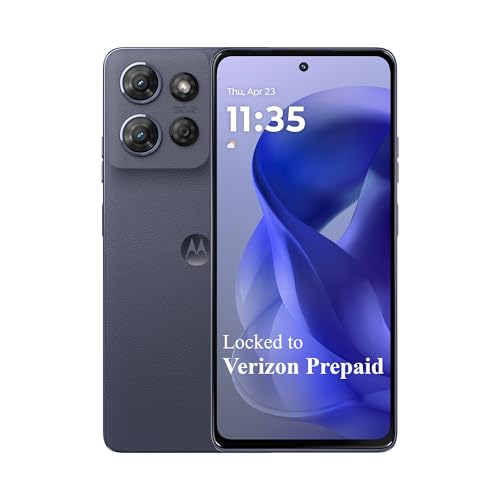
Motorola’s Edge family occupies the thoughtful middle: near stock Android, large fluid displays, capable main cameras, and pricing that undercuts the flagships while feeling a clear class above the budget shelf. On Verizon, the Edge models the carrier itself stocks carry the right band support and provision cleanly, and their clean software appeals to buyers who find Samsung’s layering busy and Google’s hardware prices steep. Battery life is typically strong, and Motorola’s gesture shortcuts, the double chop for the torch and the wrist twist for the camera, remain genuinely useful years after rivals copied pieces of the idea.
The support caveat, stated plainly
The Edge asks buyers to accept a shorter update horizon than Samsung or Google provide. If you replace phones every two years, that trade may cost you nothing and the savings are real. If you keep phones until they die, the Edge’s runway ends sooner, and a Galaxy or Pixel bought on promotion may serve longer for similar money across its life. Motorola’s camera processing also trails the leaders in difficult light, particularly for moving subjects indoors. None of this makes the Edge a bad phone; it makes it a phone whose ownership plan should be written before purchase rather than discovered afterwards.
Moto G Power 5G: the battery first budget option on Verizon
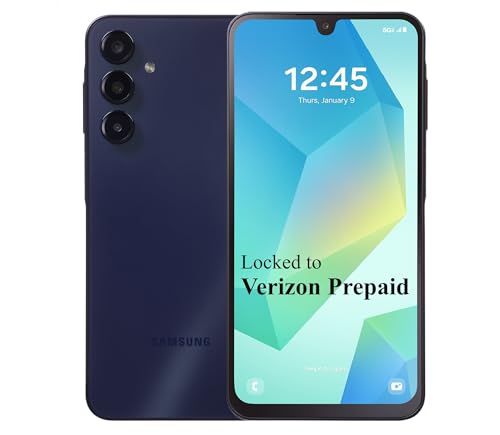
Some Verizon customers, rural drivers, field workers, and anyone whose day happens far from chargers, rank endurance above every other virtue. The Moto G Power line exists for them, pairing a large battery with an efficient display and processor to deliver multi day potential for moderate users. The Verizon sold variant supports C-band, activates without drama, and costs a fraction of the flagships while still covering the network properly, which is the entire test a budget phone on this carrier must pass.
What the low price leaves behind
Expect a modest display by flagship standards, cameras that serve daylight documentation better than evening artistry, and an update commitment measured in a couple of major steps rather than the long promises above. Performance handles communication, navigation, and media smoothly, then shows its limits in heavy games and rapid multitasking. Plastic construction, often mourned in reviews, shrugs off drops that would shatter glass backed beauty, and for work phones that is a practical virtue. Buy the Moto G Power as a tool with a defined service life, protect it with a case anyway, and it will repay its modest cost without complaint.
A cautious word about OnePlus and other unlocked challengers
OnePlus flagships tempt Verizon shoppers with fast charging, fluid displays, and pricing that undercuts Samsung, and recent generations have improved their United States band support considerably. Some OnePlus models can activate on Verizon and deliver strong C-band performance, but certification status, Wi-Fi calling behaviour, and millimetre wave support vary by generation and sometimes by point of sale. That variability is the point: a OnePlus on Verizon can be a savvy buy for an enthusiast who verifies the exact model against Verizon’s device database, and a headache for a casual buyer who assumes compatibility from a marketplace headline.
The same caution extends to gaming phones and imports from brands without a United States carrier presence. Spectacular specifications mean nothing if the IMEI check fails or the band list omits n77. Enthusiasts who accept the research burden and a solid return policy can explore this territory safely. Everyone else should stay with Samsung, Google, and Motorola models that Verizon itself sells or certifies, because support when something breaks is a feature, and it only appears on the specification sheet of your life when you suddenly need it.
Galaxy foldables on Verizon: Z Fold and Z Flip considerations
Samsung’s foldables work fully on Verizon and deserve a brief hearing for buyers whose work justifies them. The book style Galaxy Z Fold opens into a small tablet that transforms document review, split screen email and spreadsheet work, and reading on trains, while its cover display handles quick tasks without unfolding. The flip style Z Flip folds into a pocketable square and opens into a conventional phone, with a cover screen that triages notifications. Both carry flagship modem support including C-band, and Verizon stocks and finances them like any other Galaxy.
The cautions are durability, cost, and camera compromises relative to the Ultra at similar money. Inner screens demand gentler handling, repairs require specialist parts, and battery life trails the big slab flagships. Buyers who genuinely use the unfolded canvas daily will find no substitute; buyers attracted mainly by novelty usually discover within a month that they own an expensive ordinary phone with a hinge. Verizon’s protection plans deserve a harder look with foldables than with any other category in this guide.
Features Verizon implements its own way
Several everyday features depend on carrier integration, and Android buyers should know which ones to test in the first days of ownership. Wi-Fi calling matters in rural homes, basements, and steel framed buildings where outdoor coverage cannot penetrate; on Verizon variants it is provisioned by default, while unlocked models may need a settings toggle and a registered emergency address. Visual voicemail arrives through Verizon’s own application on many Android models rather than the dialer integration Pixel owners enjoy elsewhere, a small fragmentation that surprises switchers. Carrier video calling exists on supported Samsung models but most households sensibly standardise on cross platform applications instead.
Hotspot behaviour is another Verizon specific test. Plan allowances, throttling thresholds after premium data, and the phone’s ability to hold a C-band link while sharing it all shape whether your laptop survives a workday tethered in a rental car. The flagships in this guide handle hotspot duty confidently, while budget models may warm up and slow their charging while sharing. Test hotspot, Wi-Fi calling, and voicemail during the return window at the locations where you actually live and work, because those three features generate more post purchase regret than any camera comparison ever published.
Number sharing with watches, tablets as companion devices, and family location services also tie into Verizon accounts in ways that differ from other carriers. Samsung’s watch pairing is the most mature on the Android side of Verizon, while Pixel Watch integration gives Google households a coherent alternative. If your household already owns accessories, let that ecosystem steer the phone choice; a technically superior phone that orphans a working watch is not superior in any sense your bank account recognises.
Trade-ins, payment plans, and the real price of a Verizon Android
Verizon’s headline promotions usually distribute value as bill credits across a long payment term, tied to a qualifying plan and sometimes to a trade-in whose condition is judged after you have committed. That structure rewards customers who stay put and punishes switchers, because leaving early forfeits remaining credits. None of this makes promotions bad; it makes them contracts, and contracts deserve reading. Compare the total outlay across the full term, including the plan tier the promotion demands, against buying unlocked and choosing a cheaper plan or a prepaid Verizon based alternative where appropriate.
Trade-in valuations also interact with timing. Launch windows and holiday periods historically produce the richest credits for recent flagships, while older or damaged phones qualify for smaller but sometimes surprisingly generous offers during aggressive campaigns. Keep your current phone in good condition, keep its box if storage allows, and photograph its state before posting it. If a promotion requires adding a line, calculate whether your household truly needs that line across three years or whether the free phone is quietly the most expensive one in this guide.
Testing signal like an engineer during your return window
Most buyers judge a new phone by the bars on the home screen, which is roughly like judging a restaurant by the font on its menu. Android gives you better instruments. In the settings pages you can find the connected band and a signal strength figure expressed in negative decibel milliwatts, where a number closer to zero means a stronger signal. You do not need to memorise thresholds to benefit: compare the figure at your kitchen table, your desk, and your usual parking spot between your old phone and the new one, at similar times of day. A new Android that consistently holds C-band where the old phone fell back to low band has delivered a real upgrade, whatever the speed test theatre says.
Speed tests themselves deserve scepticism and structure. Run them standing still in the places you actually use data, repeat at a busy hour and a quiet one, and record upload as carefully as download, because creators, remote workers, and anyone sending video to family live on the upload path. A single spectacular millimetre wave result outside a stadium tells you almost nothing about your Tuesday. Also test a voice call while data runs in the background, walk the call between rooms and into the garden, and listen for the robotic artefacts that reveal a struggling link before a drop makes the point more rudely.
Do not forget the boring locations that decide satisfaction: the supermarket aisle where lists live in the cloud, the school pickup queue, the clinic waiting room, the platform edge at your station. Phones are bought in bright shops and judged in these grey places. If the new handset fails somewhere your old one coped, raise it with Verizon during the return window while options still exist, and check whether a different model with a different modem platform behaves better on the same streets. Antenna design varies enough between makers that switching brands occasionally fixes a problem that no settings page could.
Rural Verizon: where Android choices narrow and matter more
Rural customers built Verizon’s reputation, and they face the sharpest version of every decision in this guide. Distances punish weak radios, C-band continues to arrive unevenly, and low band layers carry more of the daily load than urban marketing admits. For a farmhouse, a ranch, or a small town beyond the interstate, prioritise modem quality and antenna performance over camera flair. The Galaxy flagships and the Pixel Pro earn their prices partly in these conditions, holding marginal signals that budget hardware surrenders, and that difference decides whether a video call with a distant grandchild happens from the kitchen or from a chair dragged to one blessed corner of the yard.
Rural buyers should also think in systems rather than single devices. A phone that supports strong hotspot performance can serve a household during broadband outages, but plan allowances become the ceiling, so read them before the storm rather than during it. Signal boosters compatible with Verizon’s bands, properly installed with an outdoor antenna, can transform a marginal home into a comfortable one, yet they amplify only what reaches the roof, and no booster rescues a phone missing the bands your tower broadcasts. Where home internet from Verizon’s fixed wireless service is available, its presence tells you C-band capacity exists locally, a useful clue when judging whether an n77 phone will shine or merely suffice at your address.
Finally, rural ownership rewards local knowledge. Ask the feed store, the school office, and the neighbours which phones behave on the roads you drive, because tower configurations and terrain create microclimates of coverage that national maps smooth away. A model beloved in a city review may sulk in a valley, while an unfashionable Motorola with a strong radio and a huge battery becomes the phone volunteer firefighters and district nurses quietly swear by. This guide ranks the hardware; your county gets a vote, and wise buyers let it cast one.
eSIM, dual lines, and running work and personal numbers
Modern Android flagships on Verizon support eSIM, and many support two active lines, which changes how households and professionals organise their lives. A work number and a personal number can share one handset, with separate ringtones, separate data choices, and the ability to silence employment at weekends without carrying a second device. Samsung and Google both implement dual SIM management clearly, although the exact combination of physical SIM and eSIM slots varies by variant, another reason the variant code matters. Verizon variants historically favour eSIM plus a physical slot in recent flagships, while some unlocked models aimed at other regions differ.
Travellers benefit differently. Keeping your Verizon line active on eSIM for calls and messages while adding a local data profile abroad can cost less and work better than roaming everything, provided the phone is unlocked for other carriers. Carrier financed phones are usually locked until paid off or until Verizon’s unlocking conditions are met, which surprises buyers at the airport. If international travel sits in your year, ask about unlock status before choosing financing, and test the second line at home rather than discovering its quirks in a foreign taxi queue.
Transferring an eSIM during an upgrade has become smoother but still deserves an unhurried evening, a charger, and your account credentials at hand. Confirm the new phone shows the correct number, test incoming calls from a landline or a family member, and only then wipe or trade in the old device. Households upgrading several lines should stagger the process across days, because one calm success teaches the routine and one shared mistake multiplies across every handset in the kitchen drawer.
Android for work on Verizon: fleets, field teams, and compliance
Business buyers read this guide differently, and Verizon’s Android strengths suit them in specific ways. Samsung’s Knox platform gives employers management and security tools that integrate with common enterprise systems, which is why Galaxy devices dominate many fleets despite strong consumer arguments for Pixel. Google counters with clean update delivery and a strong story for organisations already living in its workspace ecosystem. Motorola serves the budget fleet, the delivery scanners companion, and the spare pool, where low unit cost and big batteries outweigh long update horizons, although security teams should model patch timelines honestly rather than assuming consumer promises apply.
Field teams should weight the same field variables as rural households: radio stamina, hotspot reliability, glove friendly operation, and cases that exist in bulk. A phone that photographs meter readings, damage reports, and deliveries clearly in poor light saves return visits, which is why camera quality belongs in a business case even when the work seems unphotographic. Standardising on one or two models simplifies spares, training, and the drawer of cables in the depot, and Verizon’s business support channels handle standard Galaxy and Pixel hardware with a familiarity that exotic imports will never receive.
How long to keep a Verizon Android, and when to upgrade
The economics of upgrading changed when support windows stretched. A flagship Samsung or Pixel bought today can remain secure and capable across two battery generations of rivals, so the rational upgrade trigger is no longer the calendar but the condition of your specific unit: battery health fading, storage full, a cracked screen whose repair cost approaches replacement value, or a network feature your area finally gained that your old bands cannot use. Buyers who upgraded for C-band a few years ago may find their current phone still perfectly matched to Verizon’s present deployment, and the greenest, cheapest upgrade is frequently the one postponed.
When you do upgrade, timing around promotions and family logistics matters more than squeezing the final benchmark from a launch review. Keep the old phone until the new one has survived a week of your real life, because returns and number transfers are calmer with a working fallback in hand. Photograph trade-in condition, factory reset only after backups verify, and remove memory cards and physical SIMs before posting anything. The buyers who enjoy upgrades are the ones who treat them as small projects with checklists, and on Verizon, where variants and credits and account tiers intertwine, that temperament is worth more than any single specification in this guide.
Cameras, gaming, and battery: the everyday tests after the network
Once the bands are right, ordinary virtues decide whether you love the phone in month six. Cameras separate the picks most visibly. Samsung’s flagships offer the most versatile hardware, with genuine telephoto reach and video features that reward experimentation, while Google’s Pixel models extract the best results from the least effort, a distinction that matters at family events where nobody poses twice. Motorola’s main cameras serve daylight and social sharing well, then concede low light movement to the leaders. None of these phones is a bad camera; they simply reward different photographers, the deliberate composer versus the hurried witness, and Verizon shoppers should choose according to which photographer they honestly are.
Gaming performance follows the silicon. Galaxy flagships sustain demanding titles longest, Pixel hardware prefers intelligence tasks and warms sooner under marathon sessions, and Motorola’s tiers scale predictably with price. Cloud gaming over C-band deserves a special note, because a strong Verizon connection can stream titles that local hardware would struggle to render, turning network quality into a gaming feature in its own right. commuters who play in short bursts will find every pick here adequate, while players planning hour long sessions on trains should favour Samsung’s cooling and battery headroom.
Battery rankings on Verizon depend on signal more than spec sheets admit. A phone straining at the edge of coverage can burn through a large cell faster than a smaller phone cruising on a strong C-band link, which is why our rural advice and our battery advice are secretly the same advice. In strong coverage, the Ultra and the Moto G Power lead their classes for endurance, the standard Galaxy and Pixel models cover a normal day with discipline, and every phone benefits from a charger at the workplace more than from anxious battery saving modes at home. Judge endurance after a week on your own routes, not after a reviewers laboratory loop.
Accessibility and family safety on Verizon Android
Android’s accessibility toolkit has matured into a genuine reason to choose the platform, and Verizon households should explore it before assuming a simpler phone is required for an older relative. Display scaling, magnification gestures, hearing aid compatibility with modern Bluetooth standards, real time transcription of calls and surroundings, and voice control that operates the phone hands free all ship on the Samsung and Google picks. Set these features up with the person who will use them, in their home, on their Wi-Fi calling connection, rather than handing over a box and hoping. A patient hour of configuration decides whether an older parent thrives with a smartphone or quietly returns it to a drawer.
For children and teenagers on family plans, Verizon’s parental controls and Android’s family tools combine to manage screen time, application purchases, and location sharing. The Pixel 9a and Moto G models make sensible first phones on those plans: capable enough to avoid resentment, affordable enough to avoid catastrophe, and supported long enough to be handed down. Agree the charging, location, and social application rules when the phone is new and everyone is cheerful, because rules negotiated after the first incident arrive wearing the wrong emotional clothing.
Questions Verizon Android buyers ask us most
Is C-band more important than millimetre wave?
For nearly everyone, yes, and it is not close. C-band on n77 covers the places you actually spend your days and delivers most of the speed improvement modern Verizon offers. Millimetre wave dazzles in specific venues and vanishes a street away. Buy for n77 first, treat millimetre wave as a venue bonus, and never accept a phone lacking n77 because a salesperson emphasised the Ultra Wideband label without explaining which technology sits behind it in your neighbourhood.
Should I buy the Verizon variant or unlocked?
Choose the Verizon variant for financing, promotions, in store support, and guaranteed feature provisioning. Choose unlocked Samsung, Pixel, or Motorola flagships from official United States channels for cleaner software, faster update paths, and network freedom, after verifying band support and running the IMEI check. Avoid unlocked models from brands Verizon does not certify unless you enjoy research and have a generous return window protecting the experiment.
How long will my Android stay updated on Verizon?
Recent Samsung and Google flagships promise support windows that stretch well beyond a typical payment term, with carrier approval sometimes staggering individual Verizon builds by a few weeks. Motorola offers shorter windows that suit shorter keeping cycles. Ask for the specific model’s commitment in writing on the manufacturer’s site rather than accepting a store summary, because support promises attach to models and generations, not to brands in the abstract.
Can I bring a phone from another carrier?
Often, yes, provided it is unlocked by that carrier, supports n77 and Verizon’s core LTE bands, and passes the IMEI check. Phones built for other markets, carrier locked devices, and models missing Verizon certification are the usual failures. Run the check before selling your old phone or porting your number, and keep a working handset until the new one is fully activated, provisioned, and tested on calls, data, and Wi-Fi calling.
Check prices on Amazon
Live listings for the shortlist in this guide are pulled from Amazon below, so prices and availability are always current at the moment you look.


Our verdict for Android on Verizon
Most households should start with the Galaxy S25 for its balance of size, modem strength, support, and availability, or the Pixel 9 Pro when photography and prompt updates lead the list. The Galaxy S25 Ultra serves power users and pen devotees without compromise beyond bulk and cost. The Pixel 9a delivers the smartest value with a long secure life, Motorola’s Edge suits clean software fans on a two year rhythm, and the Moto G Power covers battery first buyers honestly. OnePlus and other challengers belong to enthusiasts willing to verify every detail personally.
Whatever you choose, run the same final checks: n77 present, variant confirmed, IMEI clean, plan terms read, return window noted. Verizon rewards Android buyers who do that homework with one of the strongest networks in the country, and punishes guesswork with activation weekends nobody forgets. Pick the phone whose bands, updates, and compromises match your streets and your habits, and the network will finally feel like the upgrade the advertisements promised your neighbours years ago.


