Our Top Picks



What's inside
- What a complete home nail kit actually contains
- Clippers: shear geometry matters more than shine
- Cuticle nippers and the discipline of sharpness
- Electric drills: speed, torque and bit literacy
- Files, buffers and the grit ladder
- Gel curing lamps bundled with kits
- Steel grades and what instrument quality means
- Cases, layout and the hygiene of storage
- Cleaning, disinfection and honest home hygiene
- Beginner configurations versus professional ambitions
- Ergonomics for different hands and abilities
- Pedicure-specific tools beyond the basics
- How specifications predict long-term satisfaction
- Building a routine the kit can support
- Environmental and consumable considerations
- Common buying mistakes documented by owners
- Matching sets to specific nail profiles
- Price-independent quality signals worth trusting
- Scissors, pushers and the supporting cast
- Soaking, preparation and why hardware is only half the system
- Drill technique boundaries for home users
- Lamp ageing, diode layout and replacement logic
- Maintenance calendar for a long-lived kit
- Travel, gifting and second-set strategies
- Troubleshooting disappointing results
- Nail anatomy in brief, and why it shapes tool choice
- What salon practice teaches home buyers
- Reading warranties and brand behaviour
- Seasonal routines and changing nail behaviour
- A note on children’s and teenagers’ kits
- Storage environment and the bathroom problem
- Keeping perspective on marketing language
- Check prices on Amazon
- Final framework for choosing your set
As an Amazon Associate I earn from qualifying purchases. This post may contain affiliate links at no extra cost to you.
Affiliate disclosure: links on this page may earn this site a commission when readers buy through them, at no extra cost to the buyer, and that support funds the research behind guides like this one. Every set discussed here was assessed from manufacturer specifications, material declarations and patterns in owner feedback rather than from any hands-on programme, so treat the conclusions as documented analysis you can verify against product listings before spending money.
What a complete home nail kit actually contains
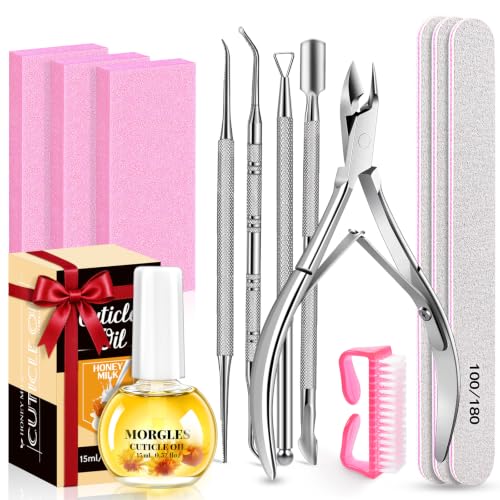
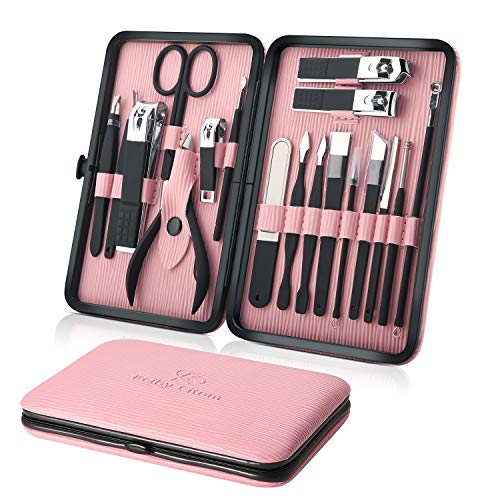
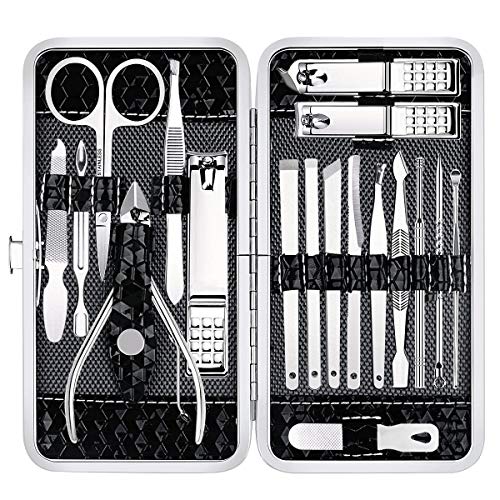
A manicure pedicure set is really several small tool families sharing one case. The cutting group usually holds fingernail clippers, larger toenail clippers, cuticle nippers and small scissors. A shaping group adds files, buffers and sometimes a glass file for sealing edges. Preparation tools such as pushers, cleaners and tweezers handle cuticle work and debris removal. Powered kits then layer in an electric drill with interchangeable bits, while gel-oriented bundles finish the line-up with a small ultraviolet or light-emitting diode curing lamp. Counting pieces tells you very little, because manufacturers inflate totals with cotton pads, separators and duplicate buffers. Judging a set means judging each family on its own merits, then asking whether the combination suits the routine you genuinely follow at home.
Owner reports collected across retail platforms repeat one consistent theme: buyers regret kits bought for piece count and praise kits bought for two or three excellent core tools. A clipper that crushes rather than shears, or nippers with misaligned jaws, will frustrate you every single session regardless of how many accessories surround them. Conversely, a modest twelve-piece collection built around properly hardened steel often earns loyal long-term reviews. This guide therefore works through each component in depth, explains the specifications that predict behaviour, and closes with guidance on matching beginner and professional configurations to different hands, nails and ambitions.
Clippers: shear geometry matters more than shine
Nail clippers cut by bringing two curved blades together so the nail fails along a controlled line. Blade curvature should mirror the natural arc of your nails; overly flat jaws concentrate force at the corners and encourage splitting, while excessively curved jaws pinch the centre first. Manufacturer datasheets rarely publish jaw curvature, so experienced buyers rely on close-up photography and reviewer comments about white stress marks after trimming. A clean cut leaves a smooth edge needing only light filing, whereas a crushing cut leaves layered flakes that catch on fabric.
Lever mechanics deserve equal attention. Longer levers multiply hand force, which matters for thick toenails, arthritic fingers or anyone trimming a partner’s feet. Some designs rotate the lever a full circle so the tool works comfortably in either hand and at awkward angles around the big toe. Hinge rivets should show no lateral play, because side movement lets blades bypass instead of meeting, tearing the final millimetre of nail. Feedback threads frequently mention wobble appearing after months of bathroom humidity, a clue pointing back to loose tolerances and plated carbon steel corroding at the pivot.
Toenail variants and problem nails
Toenail clippers scale up jaw width and opening height because toenails grow thicker and flatter than fingernails. Podiatry-adjacent designs add straight-across jaws that reduce the temptation to round corners deeply, a habit associated with ingrown edges. People managing very thick nails often prefer nipper-style podiatry pliers, whose compound handles deliver force gradually and whose pointed tips reach under lifted corners. Sets aimed at older users increasingly include these pliers plus a long-handled file, recognising reduced flexibility and eyesight. If a bundle markets itself for seniors yet contains only standard small clippers, its shaping tools may still be useful, but its cutting core misses the stated audience entirely.
Cuticle nippers and the discipline of sharpness
Cuticle nippers remove hangnails and trimmed eponychium through tiny jaws measured in millimetres, commonly described as quarter, half or full jaw sizes. Smaller jaws suit precise work around fingernails, while larger jaws tackle tougher skin beside toenails. The cutting edges must meet along their whole length when closed against light; a visible gap predicts chewing rather than slicing delicate tissue. Double-spring mechanisms return the handles smoothly and reduce hand fatigue during longer sessions, while single leaf springs feel cruder but tolerate drops better.
Sharpness retention links directly to steel hardness and edge angle. Brands that publish Rockwell hardness figures for nippers generally land in ranges associated with instrument-grade stainless alloys, and their edges survive repeated disinfection without rolling. Softer decorative sets dull quickly, tempting users to squeeze harder, which is precisely when slips happen. Reviewer complaints about nippers arriving dull usually trace to poor factory honing rather than bad alloy, so a reputable maker’s quality control matters as much as metallurgy. Store nippers with tips protected, never loose among heavier clippers, because one knock against a file can chip an edge invisible to casual inspection yet obvious on skin.
Electric drills: speed, torque and bit literacy
The electric file, often called an e-file or drill, has moved from salon benches into home kits as motors shrank and prices normalised across the category. Specification sheets quote maximum revolutions per minute, frequently reaching figures associated with professional acrylic work. Raw speed, however, is a poor buying compass for home users. Gel removal and natural-nail shaping happen at modest settings; what separates pleasant machines from frustrating ones is torque stability at low speed, minimal vibration through the handpiece, and a chuck that grips standard shank bits without wobble.
Runout, the tiny eccentric wobble of a spinning bit, determines whether sanding bands glide or chatter. Cheap handpieces reveal runout as blurred bit silhouettes at working speed and leave rippled surfaces that demand extra buffing. Cordless models add battery convenience for pedicure work away from sockets, though their datasheets deserve scrutiny for realistic runtime under load rather than idle spinning claims. Heat is another documented concern: aluminium handpieces shed warmth better than sealed plastic shells during extended acrylic removal, and several manufacturers now state duty-cycle guidance that home users should respect with rest pauses.
Reading a bit collection properly
Bit assortments look generous in photographs yet often duplicate near-identical sanding bands while omitting shapes a beginner genuinely needs. A sensible starter spread includes a safety bit with rounded top for cuticle-area work, a medium barrel for surface refinement, a small flame or needle shape for sidewalls, a mandrel with replaceable sanding bands for shortening, and a soft brush for dust. Carbide bits cut efficiently and clean easily; ceramic variants run cooler against the nail and suit gel removal for heat-sensitive users; diamond coatings refine rather than remove bulk. Grit language mirrors file grit, and coarse bands have no place on natural nails. Kits that label each bit’s purpose in printed material signal a maker expecting education, whereas unlabelled blister packs leave newcomers guessing, sometimes dangerously.
Dust management separates thoughtful bundles from bare-minimum ones. Drilling generates fine particles that settle on skin, clothing and nearby surfaces, so some sets add a small collector or at least a cleaning brush and mask suggestions in their manuals. Working over a towel, wearing eye protection during acrylic removal and pausing to clear dust from the nail plate all appear repeatedly in experienced-user advice. Ventilation guidance in instruction booklets is worth reading before your first session, not after a coughing fit at the kitchen table.
Files, buffers and the grit ladder
Manual files remain the backbone of shaping even in drill-heavy kits. Grit numbers run inverse to coarseness: lower numbers remove length aggressively, mid-range numbers refine shape, and fine grades smooth edges before buffing. Natural nails generally stay at the gentle end of that ladder, while enhancements tolerate stronger abrasion. Metal files last for years but can feel harsh and leave micro-fractures if dragged carelessly; emery boards cushion the stroke yet wear smooth quickly and cannot be sanitised, making them effectively single-user consumables. Glass files, etched rather than coated, seal the keratin edge as they work and rinse clean under a tap, which explains their recurring presence in premium bundles and in dermatology-leaning advice columns.
Buffers follow a staged logic that printed numbering should clarify. A typical block presents progressively finer faces for filing, removing ridges, smoothing and shining, in that order. Skipping stages leaves scratches the later faces cannot erase within reasonable effort. Ridge filling deserves restraint, though: thinning the plate to chase a perfectly flat surface weakens nails already prone to peeling. Owners with ridged nails report better long-term results from gentle buffing plus hydrating care than from aggressive levelling, a pattern consistent across many comment threads. Kits including a dedicated ridge buffer alongside standard blocks acknowledge that nuance instead of pretending one block solves everything.
Gel curing lamps bundled with kits
When a set includes gel polish capability, the lamp becomes its most technical component. Manufacturers quote wattage prominently, but curing performance depends on wavelength coverage, diode placement and interior reflectivity as much as raw power. Most modern units emit in the ultraviolet-A band matched to common photoinitiators, with dual-light designs blending two wavelength peaks to handle a wider polish catalogue. Timer presets correspond to typical base, colour and top-coat intervals published by polish brands, and an automatic sensor that starts the cycle when a hand slides in reduces guesswork during fiddly applications.
Size separates manicure-only lamps from genuinely pedicure-friendly ones. A lamp must accept a whole foot comfortably, ideally with a removable base so toes sit flat while diodes fire from above and the sides. Compact folding lamps travel well yet may cure thumbs at awkward angles, producing the wrinkled, under-cured finishes that dominate negative reviews of mini devices. Under-curing is more than cosmetic: incompletely polymerised gel stays tacky, lifts early and exposes skin to uncured monomers during removal. Kit documentation that names compatible polish systems and realistic cure schedules deserves more trust than generic promises of fast drying, a phrase that confuses evaporation-based lacquer with light-cured chemistry.
Lamp safety and eye comfort
Ultraviolet-A exposure from nail lamps is brief and low compared with outdoor sunlight, yet sensible sets still incorporate shielding, recessed diodes and warnings against staring into the array. Users with photosensitive conditions or relevant medication should consult medical guidance rather than marketing copy. Heat spikes during curing, sometimes called heat flash, relate to rapid polymerisation in thick layers; thinner coats and brief pre-cure flashes reduce the sensation. A lamp whose instructions explain these points in plain language signals a manufacturer engaged with real user experience rather than one merely importing hardware and printing a logo.
Steel grades and what instrument quality means
Stainless steel is a family, not a guarantee. Cutlery and instrument alloys differ in carbon content, chromium balance and heat treatment, producing tools that either hold an edge through years of clipping or soften after a season. Some makers name recognised alloy designations on packaging; others hide behind vague surgical-grade phrasing that carries no standardised definition in consumer law. Clues accumulate elsewhere: finely ground edges, satin finishing without pitting, screws rather than loose rivets at joints, and weight that feels dense rather than tinny. Japanese and German manufacturing traditions feature strongly in reviewer praise for nippers and scissors, reflecting long-standing specialisation in small cutting instruments.
Corrosion resistance gets tested daily in bathrooms. Steam, splashes and disinfectant sprays attack inferior alloys at edges and pivots first, showing as orange freckles or stiff movement. Proper care extends any set’s life: rinse after use, dry thoroughly before closing the case, and lubricate joints occasionally with a drop of suitable oil. Carbon-steel tools, occasionally chosen for exceptional sharpness, demand even stricter drying. A kit whose care leaflet covers drying and oiling demonstrates realism about ownership, while claims of maintenance-free performance forever should lower confidence rather than raise it. Readers comparing charging accessories for other small devices may also find our guide to best usb c multiport chargers useful when a drill, lamp and phone compete for sockets.
Cases, layout and the hygiene of storage
The case shapes daily behaviour more than buyers expect. Rigid zip cases with individual elastic or moulded slots keep edges from colliding, present every tool at a glance and slip into drawers or travel bags. Loose pouches let nippers migrate against files, dulling both. Transparent or labelled compartments help households where several people share a kit, because each user can keep personal files separate. Ventilation matters after pedicure sessions: sealing damp tools inside airtight plastic invites odour and corrosion, so breathable linings or a habit of air-drying before closing the lid both earn mention in careful owner routines.
Travel introduces its own constraints. Blades in hand luggage face security rules that vary by route, and checked storage argues for hard shells that survive compression. Compact travel sets often drop the drill and lamp, concentrating on clippers, a glass file and mini scissors, which honestly matches most holiday needs. Full salon-style rolls suit professionals moving between clients, with wipe-clean interiors anticipating disinfectant spills. Judging a case therefore starts with your calendar: bathroom drawer, gym bag, suitcase or client visits each reward different materials and footprints.
Cleaning, disinfection and honest home hygiene
Hygiene separates a pleasant ritual from a genuine risk, because trimming creates micro-abrasions and tools contact skin, nail dust and occasionally blood. Home practice begins with washing tools in warm soapy water, scrubbing debris from jaw serrations with an old toothbrush, then drying completely. Disinfection follows cleaning, since organic residue shields microbes from contact solutions. Product leaflets for salon-grade disinfectants specify dilution and immersion times validated against listed organisms; household shortcuts such as a quick wipe rarely match those conditions, and guidance from public-health sources consistently stresses following label contact times.
Material compatibility decides which method a set tolerates. Quality stainless implements withstand common disinfectant immersion and, where manufacturers allow, heat sterilisation in autoclaves or pressure devices. Emery boards, foam buffers and wooden sticks cannot be disinfected reliably and belong to one person, replaced when worn. Drill bits need brushing and solution baths matched to their coating, because some disinfectants cloud ceramic or strip diamond bonding. Alcohol sprays serve as a between-steps convenience for metal surfaces, though they evaporate quickly and may not achieve the wet contact period disinfection requires. Storing a small printed routine inside the case lid turns good intentions into repeatable habit, especially in shared households.
Sharing tools within a household
Families routinely share clippers while keeping personal files, a compromise reflected in many dermatology advice pages. Anyone with a fungal nail infection, warts or broken skin should use dedicated implements cleaned rigorously afterwards, and diabetic users are consistently advised to approach foot care cautiously and seek professional help for problem nails rather than persisting with home nippers. Kits marketed for family use earn credibility when they include duplicate files and colour-coded handles, acknowledging separation without drama. Toe separators, pumice and other porous pedicure extras should never rotate between users, whatever the packaging implies about household value.
Beginner configurations versus professional ambitions
Beginner sets succeed by narrowing choices. A new user benefits from excellent clippers, restrained nippers, a glass file, a gentle buffer, a pusher and clear instructions, not from forty mysterious attachments. Electric drills for novices should emphasise low-speed control, forward and reverse rotation for working around both hands, and safety bits that forgive hesitant pressure. Lamps, if present, need simple presets rather than professional programming. Educational material, whether printed diagrams or linked video lessons referenced in the manual, often decides whether a first kit builds skill or gathers dust after two frustrating attempts.
Professional-leaning bundles invert the priorities. Their drills sustain higher torque for enhancement removal, accept extensive bit ecosystems and run for long sessions without thermal cut-outs. Nippers appear in several jaw sizes, scissors multiply for different tasks, and cases organise everything for rapid disinfection turnover. Weight and cost rise accordingly, and maintenance obligations grow: bits wear, springs fatigue and lamps age as diode output declines over years. Home users tempted by salon specifications should ask whether their weekly routine justifies that upkeep. Many enthusiasts settle happily in a middle tier, upgrading single tools individually as skills sharpen, a path several long-term reviewers describe as cheaper and more satisfying than buying the largest box first.
Ergonomics for different hands and abilities
Handle design quietly determines who can use a set comfortably. Slim polished handles look elegant yet slip in lotion-softened fingers and demand pinch strength that not everyone has. Textured grips, wider lever pads and spring-assisted opening reduce strain for users with arthritis, carpal tunnel symptoms or general grip weakness. Left-handed users face a market still skewed toward right-handed scissor loops and lever orientations; reversible levers and ambidextrous file shapes partially close that gap. Children require scaled-down clippers with guarded edges and close supervision, never miniature versions of adult nippers with equally exposed points.
Pedicure work adds posture to the ergonomic equation. Reaching toes comfortably may call for long-handled files, magnifying lamps or a footrest, none of which appear in standard piece counts. Pregnant users, people recovering from surgery and anyone with limited spinal flexion feature in feedback praising extended handles and cordless drills that work at chair height. A set cannot solve every accessibility need, but bundles acknowledging varied bodies through handle options deserve recognition over those designed solely for young, flexible hands photographed in advertisements.
Pedicure-specific tools beyond the basics
Feet introduce callus management, thicker nails and harder skin, so pedicure sections of a kit carry tools absent from manicure-only collections. Foot files and callus rasps address heel buildup; metal rasps remove aggressively and demand caution, while coarse mineral files progress more gently. Pumice remains a low-tech staple for maintenance between deeper sessions. Cuticle work on toes proceeds more conservatively than on fingers, because aggressive pushing around toenails raises infection risk in the warm, enclosed environment of shoes. Toe separators assist polishing but should be foam or silicone that washes clean.
Ingrown-toenail files, lifters and precision clippers appear in advanced pedicure bundles and deserve respectful handling. These instruments work at nail corners where mistakes hurt, and conservative guidance across health sources recommends professional assessment for recurring, inflamed or infected ingrowth rather than repeated home excavation. A responsible kit manual states those limits plainly. Moisturising and soaking accessories, by contrast, are low risk and high comfort: a set that pairs its hardware with a simple soak routine in the instructions understands pedicure as care, not merely cutting. For readers who power lamps and drills from crowded desks, our roundup of best travel chargers for phones covers compact adapters that travel well between bathroom and bag.
How specifications predict long-term satisfaction
Reading a product page critically means translating marketing into testable claims. For clippers, look for jaw material, hardness data and replaceable springs. For drills, prioritise torque descriptions, speed range with low-end control, chuck compatibility with standard shank diameters and stated noise levels, because a screaming handpiece discourages use in shared homes. Lamp listings should specify wavelength, diode count and layout, timer options and interior dimensions rather than wattage alone. Bit inventories gain meaning when each shape is named with its intended task and grit. Warranty length and spare-part availability reveal whether a maker expects the set to survive beyond a single season.
Review analysis benefits from pattern hunting rather than star counting. Search owner comments for recurring nouns: rust, wobble, dull, hot, loud, cracked. A single complaint may reflect misuse, but clusters around one component identify design weaknesses that specifications concealed. Photographs uploaded by owners after months of use carry particular weight, showing edge corrosion, case stitching failures and lamp yellowing that studio images never reveal. Equally, praise repeating across years for the same clipper model suggests stable manufacturing rather than a lucky batch. This documentary approach cannot replicate handling the steel personally, yet it filters out most poor purchases before money moves.
Building a routine the kit can support
Tools perform inside a sequence, and the best sets align with a sustainable order of operations. Soaking softens nails and skin before trimming; cutting follows the natural curve in small bites rather than one deep clip; filing moves in one direction to limit fraying; cuticle work stays gentle, pushing back softened tissue and trimming only detached hangnails; buffing respects plate thickness; moisturising finishes the session. Drill work, when used, slots in before polishing, with dust cleared thoroughly so gel adheres evenly. Lamps cure each layer fully before the next, resisting the urge to shorten cycles when colours look dry at the surface.
Frequency matters as much as technique. Nails grow a few millimetres monthly on average, with toenails slower than fingernails, so weekly light maintenance beats monthly rescue operations that tempt aggressive cutting. Files and buffers wear gradually; replacing a tired sanding band costs little and prevents the extra pressure that damages plates. Keeping a simple log of bit changes, lamp hours and disinfectant batches sounds excessive for home use until a tool underperforms and the log explains why. Enthusiasts writing in community forums often credit exactly this unglamorous record-keeping for kits that still perform after years on the bathroom shelf.
Environmental and consumable considerations
A durable steel core is inherently the sustainable choice, because clippers and nippers can serve for a decade when maintained. Consumables create the ongoing footprint: sanding bands, emery boards, buffers, cotton and separator foams cycle continuously. Kits that standardise on widely available replacement sizes reduce waste from orphaned proprietary bits. Packaging varies from recyclable card to moulded plastic trays destined for landfill, and a few makers now sell refill packs for their own cases. Lamp disposal eventually involves electronic waste channels, another argument for buying a unit robust enough to justify its material cost through long service.
Polish chemistry intersects with kit selection when gel systems enter the home. Ventilation during application, skin protection from uncured product and proper curing all reduce the sensitisation risks discussed in dermatology literature. Users reporting new itching or lifting around nails after adopting gel routines are advised in medical guidance to suspect allergy and stop exposure, not to buy a stronger lamp. A set is only as safe as the habits around it, which is why instruction quality keeps resurfacing throughout this analysis as a genuine specification in its own right.
Common buying mistakes documented by owners
Certain regrets recur so reliably in feedback archives that they read as a checklist of traps. Buying by piece count leads the list, followed by assuming stainless means rustproof regardless of care. Choosing a drill for maximum speed rather than low-speed manners frustrates natural-nail users within one session. Ignoring lamp interior dimensions produces thumbs cured at painful angles. Sharing emery boards across a household spreads problems that steel tools, properly disinfected, would not. Purchasing professional nipper sizes without understanding jaw measurements results in tools too aggressive for the owner’s actual cuticle work.
Another pattern involves replacement ecosystems. Owners praise a drill initially, then discover proprietary bits unavailable a year later, stranding an otherwise functional handpiece. Similar stories surround lamp bulbs in older ultraviolet units, where tube replacement costs approach a new diode lamp. Investigating spare availability before purchase takes minutes and protects years of use. Case dimensions cause quieter disappointment: kits photographed as generous sometimes compress tools so tightly that arthritic fingers struggle to extract them, a flaw only visible in owner videos showing real hands rather than styled flat-lays.
Matching sets to specific nail profiles
Thin, peeling nails need gentleness above all: glass files, fine buffers, modest clippers with sharp rather than forceful cutting, and no coarse drill work on the plate itself. Thick, hard nails reward leverage, wider jaws and possibly podiatry-style pliers, plus files sturdy enough to shape without flexing away. Brittle nails in older users often split along ridges, favouring small incremental clips and immediate edge sealing. Athletes and runners generate blackened, thickened toenails from repetitive shoe pressure, and their kit priorities centre on safe trimming and hygiene rather than cosmetic buffing.
Gel enthusiasts build around lamp competence and removal tools, because soak-off routines need clips, wraps, pushers and gentle files as much as curing power. Acrylic wearers lean on drill torque and carbide bits, accepting louder, dustier sessions. Natural-nail minimalists may skip powered hardware entirely, investing instead in exemplary steel and a superb glass file. None of these profiles is superior; each simply spends the budget where its routine actually lives. The sets worth recommending are those honest about which profile they serve, instead of claiming universal mastery across every nail type and technique. Households juggling several profiles sometimes pair one shared steel core with personal accessories, a hybrid approach our notes on best battery chargers aa aaa parallel in spirit: shared hardware, individual consumables, clear ownership.
Price-independent quality signals worth trusting
Several trustworthy signals cost manufacturers effort rather than marketing money. Published hardness figures, named steel alloys, bit-by-bit labelling, disinfection compatibility statements and spare-part catalogues all expose a maker to verification. Instruction manuals that discuss contraindications, diabetic caution and allergy symptoms accept responsibility instead of hiding behind lifestyle photography. Consistent model availability across years suggests tooling investment and lets replacement purchases match existing cases. Conversely, constantly renamed bundles with shifting contents make accountability impossible, because no review history can accumulate against a moving target.
Weight offers a rough but honest heuristic within steel tools. Hollow handles and thin stampings feel insubstantial and flex under load, while properly forged implements carry reassuring density without being cumbersome. Edge inspection under magnification, shown in some makers’ own product photography, reveals grinding quality that polished wide shots conceal. Springs that can be replaced with a simple screw extend nipper life dramatically compared with welded assemblies. These details accumulate into a picture of intent: tools designed for maintenance invite long ownership, while sealed, unserviceable designs assume disposal. Readers who enjoy this specification-first approach may appreciate the background in best uv printers, where light output claims require similar scepticism.
Scissors, pushers and the supporting cast
Small scissors inside nail sets handle tasks clippers cannot: trimming hangnails precisely, cutting nail forms and wraps, snipping separator foam or opening packaging during a session. Curved blades follow the nail’s arc for delicate skin work, while straight blades suit materials. The pivot screw should allow adjustment, because scissors that loosen develop a folding action that pushes skin aside instead of cutting it. Finger loops sized for real hands matter during pedicure sessions, where angles force partial grips; oversized decorative bows photograph well yet cramp quickly. Stainless scissors that can be professionally resharpened outlast the stamped pairs bundled as filler in very large collections.
Cuticle pushers come in metal, wooden and rubber-tipped forms, each trading durability against gentleness. Metal pushers survive disinfection indefinitely and offer a firm edge for lifting softened tissue, but they punish heavy hands by scraping the plate. Orangewood sticks remain the conservative classic for beginners, cheap enough to discard after each use and soft enough to limit damage. Rubber or silicone tips suit maintenance between full manicures. Double-ended designs pairing a pusher with a cleaner or spoon save case space, though the compromise shape rarely excels at either job. Feedback from users with sensitive cuticles consistently favours softer implements used patiently after soaking over aggressive metal work on dry skin.
Soaking, preparation and why hardware is only half the system
Preparation determines whether cutting tools feel sharp or crude. Nails trimmed dry resist blades and splinter more readily, whereas a few minutes in warm water plasticises keratin so edges shear cleanly. Over-soaking, however, swells the plate and distorts shape judgement, leading to nails that look perfect wet and appear too short once dry. Experienced routines therefore soak briefly, pat dry, then cut conservatively. Cuticle softeners applied for the interval printed on their own packaging loosen tissue without the prolonged water exposure that weakens enhancements or lifts gel.
Degreasing the plate before polishing separates durable finishes from early peelers. Kits sometimes include prep pads or a small cleanser bottle, and their presence signals attention to the full workflow rather than hardware alone. Dust from filing must leave the surface too, brushed away and wiped, because trapped particles under gel create bumps that no top coat hides. These unglamorous steps explain why two owners using identical sets report wildly different results in reviews: the tools were the same, the preparation was not. Reading feedback with that lens prevents blaming steel for failures born in routine.
Drill technique boundaries for home users
Safe drilling rests on pressure discipline. The bit should do the work while the hand merely guides, because pressing invites heat, gouges and sudden catches that jump across the plate. Manufacturer manuals for consumer machines typically advise keeping the handpiece moving in short strokes, never parking a spinning bit on one spot. Direction settings exist for handedness and for working toward or away from the body; using the wrong direction makes bits skate unpredictably. Beginners are guided in training literature to practise on artificial tips or even fruit skins before touching their own nails, building muscle memory without consequences.
Speed selection follows material rather than bravado. Natural nails and cuticle zones call for the lowest effective settings, gel surface work sits in the middle, and hard enhancement removal occupies the upper range that many home users may never need. Vibration through a cheap handpiece blurs control at exactly the moments precision matters, which is why specification hunters weigh handpiece mass and bearing quality so heavily. Noise also shapes household acceptance: a drill audible through a closed door discourages evening use in flats, and some makers now publish decibel figures that deserve comparison alongside power numbers.
When to stop and seek professional care
Home kits have firm limits that responsible documentation states openly. Nails that are painful, discoloured in expanding patterns, lifting from the bed, emitting odour or surrounded by inflamed skin belong in front of a clinician, not under a faster bit. Bleeding disorders, poor circulation and diabetes all raise the stakes of minor foot injuries, and health guidance repeatedly steers those readers toward professional foot care. Allergic reactions to gel chemistry, presenting as itching or blistering around the nail folds, require stopping exposure and seeking medical advice rather than switching brands repeatedly. A set that prints these boundaries earns trust precisely by admitting what it cannot do.
Lamp ageing, diode layout and replacement logic
Light-emitting diodes degrade gradually, losing output across years of cycles rather than failing overnight. That slow decline explains a familiar review pattern: a lamp that once cured reliably begins leaving tacky layers despite unchanged polish and timing. Makers rarely publish output-versus-hours curves for consumer units, so owners must infer ageing from performance and treat lamps as semi-consumables with multi-year horizons. Older tube-based ultraviolet units allow bulb swaps but consume more power and space, one reason diode designs dominate current bundles.
Diode placement deserves a diagram-level look before purchase. Arrays concentrated only on the ceiling leave sidewalls of the nail under-exposed, while wraparound layouts with side emitters cure the full arch more evenly. Reflective interiors recycle stray photons toward the nail, effectively raising dose without extra wattage. Thumb positioning remains the classic weakness of compact units, solved by some designs with a separate thumb ledge or a wider mouth. Product photography showing a real hand and foot inside the chamber reveals more than any specification table, and reviewers who post such images perform a genuine service for pedicure buyers.
Maintenance calendar for a long-lived kit
Ownership improves when care becomes scheduled rather than reactive. After every session: wash, disinfect compatible metal, dry fully, and return each tool to its own slot. Monthly: inspect edges against light, check nipper alignment, exercise drill chucks with each bit, and wipe lamp interiors where dust dulls reflectivity. Seasonally: replace tired sanding bands and buffers in bulk, lubricate clipper pivots, examine case stitching and zips, and review disinfectant expiry dates printed on bottles. Annually: assess lamp curing consistency with a familiar polish, retire any file that has lost its bite, and consider professional sharpening for favourite scissors or nippers.
Sharpening itself is a specialist task. Edges ground at wrong angles cut worse than honestly dull ones, and home sharpening gadgets designed for kitchen knives can ruin nipper geometry in seconds. Makers who offer factory reconditioning services reveal confidence in their steel, because soft alloys would not justify the postage. Carbon-steel devotees accept more frequent honing as the price of exceptional keenness, while stainless owners trade a fraction of that edge for corrosion resilience. Either philosophy works when chosen deliberately; disappointment follows only when buyers expect one alloy to behave like the other.
Travel, gifting and second-set strategies
Many households eventually keep two collections: a full station at home and a stripped travel roll. The travel roll carries clippers, a glass file, mini scissors where regulations permit, a wooden pusher and a few buffers, covering ninety percent of away-from-home needs without risking the good nippers to luggage handling. Checked baggage relaxes blade restrictions on most routes, yet rules differ by country and carrier, so verifying current guidance before flying prevents confiscation surprises at security. Hotel-room pedicures also benefit from a small disinfectant wipe habit, since travel tools meet unfamiliar environments.
As gifts, nail sets succeed when matched to the recipient’s existing habits rather than the giver’s aspirations. A teenager experimenting with gel needs lamp competence and removal supplies; a grandfather needs leverage, magnification-friendly lighting and large grips; a new parent needs speed, quiet tools and one-handed convenience. Presentation cases flatter the giver, but recipients remember whether the clippers cut cleanly in February. Including a printed care routine and a note about which items are personal-only turns a generic present into a considered one, and avoids the awkwardness of shared files circulating unwashed.
Troubleshooting disappointing results
When nails split after trimming, examine the clipper first: dull or misaligned jaws crush keratin layers apart. Cutting in smaller bites and finishing with a glass file usually resolves the pattern without new purchases. Gel lifting within days points toward preparation or curing, not polish brand loyalty; revisit degreasing, layer thickness and full timer cycles. Drill bits that seem ineffective may simply be clogged with dust, revived by a brass brush and proper cleaning rather than replacement. Nippers that tear instead of snipping need alignment checks and possibly professional attention, because home bending attempts often worsen jaw geometry.
Rust freckles appearing on stored tools implicate drying habits or a perpetually steamy bathroom cabinet more often than defective alloy. Moving the case to a drier drawer, adding a silica packet and drying tools before closing the lid typically halts progression, while existing spots on non-cutting surfaces polish away gently. Lamps that cure unevenly may suffer a failed diode cluster, visible by inspecting the array briefly through a phone camera, which renders ultraviolet output more perceptibly than the naked eye. Systematic diagnosis, changing one variable at a time, mirrors how careful reviewers isolate faults in their long-term updates.
Nail anatomy in brief, and why it shapes tool choice
Understanding the nail unit clarifies nearly every recommendation in this category. The visible plate is dead keratin produced by the matrix hidden beneath the cuticle fold, and damage to that matrix can distort growth for months. The cuticle itself is a seal, not decorative excess: its living portion protects the matrix from microbes, which is why conservative technique trims only detached, dead tissue and leaves the seal intact. The nail bed beneath the plate carries nerves and blood vessels, explaining why deep filing or aggressive corner cutting hurts disproportionately and bleeds readily.
Growth rates vary by finger, season, age and health, with dominant-hand nails and longer fingers typically advancing faster. Toenails thicken with age and footwear pressure, changing jaw requirements across a lifetime; a set bought at thirty may genuinely under-serve the same feet at sixty. Hydration alters keratin flexibility hour by hour, which is why timing trims after bathing feels easier yet risks over-shortening once plates dry and contract slightly. Tools cannot change this biology, but well-chosen geometry works with it: curved jaws following natural arcs, files that seal rather than shred edges, and drills whose lowest speeds respect thin plates on older hands.
What salon practice teaches home buyers
Professional salons organise work around disinfection turnover, and their habits translate usefully to domestic scale. Multiple implement sets rotate so one can soak while another serves, a model households can mimic cheaply by owning duplicate files and pushers. Single-use items are genuinely single-use in reputable premises, reinforcing that emery boards and wooden sticks at home should follow the same rule. Barbicide-style jars on salon counters exist because immersion with timed contact works; spraying and instantly wiping does not achieve equivalent results, whatever the hurry.
Salon drills also illustrate the difference between specifications and suitability. Technicians choose handpieces by balance during eight-hour days, bit ecosystems refined over years and motors that hold torque while removing hard gel at speed. Home users copying that shopping list without the workload inherit noise, dust and expense disproportionate to a fortnightly manicure. The transferable lesson is narrower: buy the control quality of professional gear, not its maximum output. A quiet, steady, low-speed handpiece with honest documentation serves a home routine better than a fire-breathing unit whose virtues appear only during acrylic removal the owner never performs.
Reading warranties and brand behaviour
Warranty terms reveal how a manufacturer expects its tools to age. Lifetime cover against manufacturing defects on steel implements is common among heritage makers and costs them little when forging is sound. Short, vague guarantees paired with no spare-parts channel suggest disposable intent regardless of premium styling. Lamp warranties deserve separate reading, because electronics fail differently from steel; a set pairing lifetime clipper cover with a brief lamp term is being honest about that asymmetry, not inconsistent. Keep purchase records with the case, since warranty claims years later often hinge on proof buyers discarded.
Brand behaviour after purchase matters equally. Companies publishing sharpening guidance, replacement spring kits and bit compatibility charts invest in owners they already have. Those flooding marketplaces with renamed bundles each season invest only in new clicks. Review histories attached to stable model names accumulate the long-term evidence this guide keeps recommending, while vanishing listings erase accountability. Preferring the stable maker is therefore not nostalgia; it is a data strategy for buyers who rely on documented experience rather than showroom impressions.
Seasonal routines and changing nail behaviour
Nails respond to seasons more than marketing calendars admit. Winter heating dries plates and cuticles, raising split rates and making rich moisturising part of tool performance, because brittle keratin defeats even excellent clippers. Summer brings sandals, swimming and more frequent pedicures, plus softer nails after prolonged water exposure that argue for gentler filing and patience before gel application. Athletes entering heavy training blocks notice toenail trauma accumulating, shifting their kit priorities toward hygiene and conservative trimming for months at a time.
Adjusting routine beats replacing hardware in most of these swings. A glass file that felt slow in humid months may prove ideal when plates turn fragile in January. Drill users can drop speeds and shorten sessions when nails thin seasonally, rather than blaming bits. Lamp owners should remember that cold polish applies thicker and cures less evenly, so warming bottles in hands and rolling them gently restores consistency. Owners who annotate their maintenance log with these seasonal notes build a personal dataset no generic review can supply, and their future purchases grow steadily more accurate.
A note on children’s and teenagers’ kits
Younger users need supervision scaled to the sharpest item present, not the average. For children, dedicated safety clippers with limited jaw opening and rounded file edges cover routine care, while nippers, drills and chemical softeners stay in adult hands. Teenagers experimenting with gel require the full safety conversation early: skin contact with uncured product, honest curing times, removal without prising, and the discipline to stop when irritation appears. A family set that grows by adding a supervised gel station, rather than handing over professional nippers on day one, matches how skills and judgement actually develop.
Storage environment and the bathroom problem
Bathrooms are convenient and hostile in equal measure. Steam from showers condenses on cold steel, lingers inside closed cases and accelerates every corrosion pathway discussed earlier. Owners in humid climates report the fastest deterioration, sometimes within a single season, when kits live permanently beside the sink. Relocating the case to a bedroom drawer, or at minimum airing it open after each session, changes outcomes dramatically without costing anything. Silica gel packets, refreshed or replaced periodically, absorb residual moisture inside rigid cases and are cheap insurance for good nippers.
Light exposure matters for the gel side of a kit. Polishes and top coats stored near sunny windows or beside the curing lamp itself can thicken or partially polymerise in the bottle, producing the stringy application users often blame on age alone. A case or drawer that keeps chemistry dark and cool preserves both tools and consumables. These environmental details rarely appear on product pages, yet they explain a large share of the gap between delighted long-term owners and disappointed ones using identical hardware.
Keeping perspective on marketing language
Superlatives in this category dissolve under mild questioning. Professional can mean anything from salon-grade forging to a black case with silver lettering, while medical wording often borrows authority without meeting any clinical standard. Counting diodes, naming alloys and publishing jaw dimensions are falsifiable claims; adjectives are not. Buyers who train themselves to skim past adjectives and extract only verifiable numbers from a listing will shortlist better sets in minutes, whatever brands they start with, and will recognise the rare honest product page when one appears.
Check prices on Amazon
Live listings for the shortlist in this guide are pulled from Amazon below, so prices and availability are always current at the moment you look.



Final framework for choosing your set
Start by listing the tasks you perform monthly, not the techniques you might attempt someday. Audit which tools those tasks truly require, then grade candidate sets family by family: cutting edges first, shaping second, powered extras last. Verify steel and disinfection claims against manufacturer documents, scan owner feedback for component-level failure patterns, and confirm that replacement bits, bands and buffers remain obtainable. Check lamp dimensions against your own feet if gel pedicures feature in your plans, and favour cases that protect edges while letting tools dry. Beginners should buy restraint and instruction; advancing users can add torque, jaw sizes and lamp sophistication one deliberate step at a time, checking after each addition whether the new capability genuinely earns its storage space, maintenance burden and learning curve within their actual weekly routine rather than an imagined one.
A manicure pedicure set ultimately succeeds in private moments: a clean trim before a work trip, comfortable heels after a careful pedicure, gel that survives a fortnight without lifting. Those outcomes flow from sharp steel, honest specifications and hygienic habits far more than from impressive piece counts on a box. Choose the collection whose documents respect your intelligence, whose tools match your nails as they are today, and whose maker still sells the spares you will need years from now; that combination, verified on paper before purchase, is the closest thing this category offers to a guarantee.